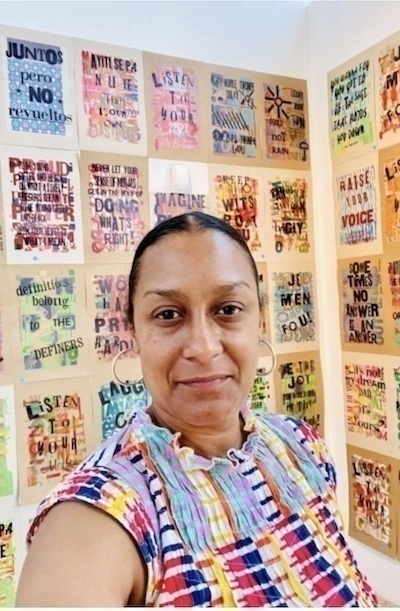
“It’s crucial to approach resistance with empathy and a willingness to engage in constructive conversations,” says Melissa Cherry, chief diversity and inclusion officer/SVP for Miles Partnership, who recently moderated an MPI Academy webinar called “Building an Inclusive and Equitable Meetings Industry” (watch if for free!). “Building a culture of inclusion takes time, persistence and a collective effort. By staying focused on the positive outcomes and fostering open dialogue, organizations can continue making progress toward a more inclusive environment.”
We spoke with Cherry about creating events that are accessible to all and why she’s optimistic about inclusivity efforts in 2024.
(Check out Part 1 of our Melissa Cherry interview, featuring a discussion about what an inclusive future looks like and tangible ways for measuring inclusivity progress.)
Do you have any recommendations for combating pushback against DEI initiatives?
Here are some recommendations for groups and event professionals facing increased resistance to DEI initiatives.
- Leadership support and communication: Ensure that leadership communicates a strong and unwavering commitment to DEI. Leaders can play a crucial role in setting the tone for the organization and addressing concerns or misconceptions.
- Education and awareness: Provide ongoing education and awareness programs on the importance of DEI. Share success stories and case studies that highlight the positive impact of inclusive practices in the workplace and at events.
- Open dialogue: Foster open dialogue and create spaces for respectful conversations. Encourage individuals with different perspectives to share their thoughts and concerns and address questions with empathy and understanding.
- Engage allies: Identify and engage allies within the organization or community who support DEI. Allies can help amplify the message, build coalitions and counter resistance effectively.
- Storytelling and representation: Use storytelling to humanize DEI efforts. Share personal stories and experiences that highlight the positive outcomes of inclusivity. Ensure diverse representation in promotional materials and communications.
- Partnerships with like-minded organizations: Build partnerships with other organizations that share a commitment to DEI. Collaborate on joint initiatives, share resources and amplify the collective impact of inclusive practices.
- Address misinformation: Proactively address misinformation or misconceptions about DEI initiatives. Provide accurate information, correct misconceptions and offer resources for individuals seeking more information.
- Commitment to continuous improvement: Demonstrate a commitment to continuous improvement. Acknowledge that DEI is an evolving journey and actively seek feedback from stakeholders to refine and enhance initiatives.
Can you tell us about a positive inclusivity story you’ve heard about recently?
In early January, I saw a great trade show activation by Visit Richmond (Va.) on driving attention to the importance of ASL (America Sign Language) at meetings. The booth offered short ASL courses during the trade show hours on the alphabet and common phrases. Lauran Peoples (director of sales from Richmond Region Tourism) was part of the MPI inclusivity webinar.

Part of creating meetings that are accessible to all is making sure those with physical limitations can fully participate. Can you give us an example of progress in that area?
One notable example of progress in making meetings accessible for individuals with physical limitations is the adoption of virtual and hybrid meeting formats. The shift towards online meetings has introduced several features and practices that enhance accessibility for people with diverse physical abilities. This shift benefits those with specific needs but also contributes to a more universally accessible and welcoming meeting experience for all participants. Some examples follow.
- Virtual platforms with accessibility features: Many virtual meeting platforms have made significant strides in incorporating accessibility features. This includes features such as closed captioning, screen reader compatibility, keyboard shortcuts and adjustable font sizes. These enhancements make virtual meetings more inclusive for individuals with visual or hearing impairments and those who may have difficulty using a mouse.
- Customizable settings: Virtual meeting platforms now offer customizable settings that allow participants to personalize their experience. This can include adjusting the layout, font and color settings, making it more accessible for individuals with specific visual preferences or sensitivities.
- Recording and transcription: Many virtual meetings are recorded, and transcription services are often available. This benefits participants who may need to review the content at their own pace or individuals who prefer reading over listening.
- Engagement platforms with accessibility considerations: Platforms used for audience engagement, such as polling and Q&A tools, are incorporating accessibility considerations. This ensures that individuals with different abilities can actively participate in interactive elements of meetings.
Why are you optimistic about inclusivity efforts in 2024? Any trends, for lack of a better word, we should keep an eye on?
Keeping this in perspective, it’s important to recognize that progress in inclusivity is an ongoing journey. Organizations need to continuously evaluate and evolve their practices to create environments that welcome and celebrate diversity. In 2024, I would keep an eye on the following.
- Global commitment to DEI
- Policy changes and legislation
- Generational shift in values
- Innovations in accessibility technology
- Inclusive design practices