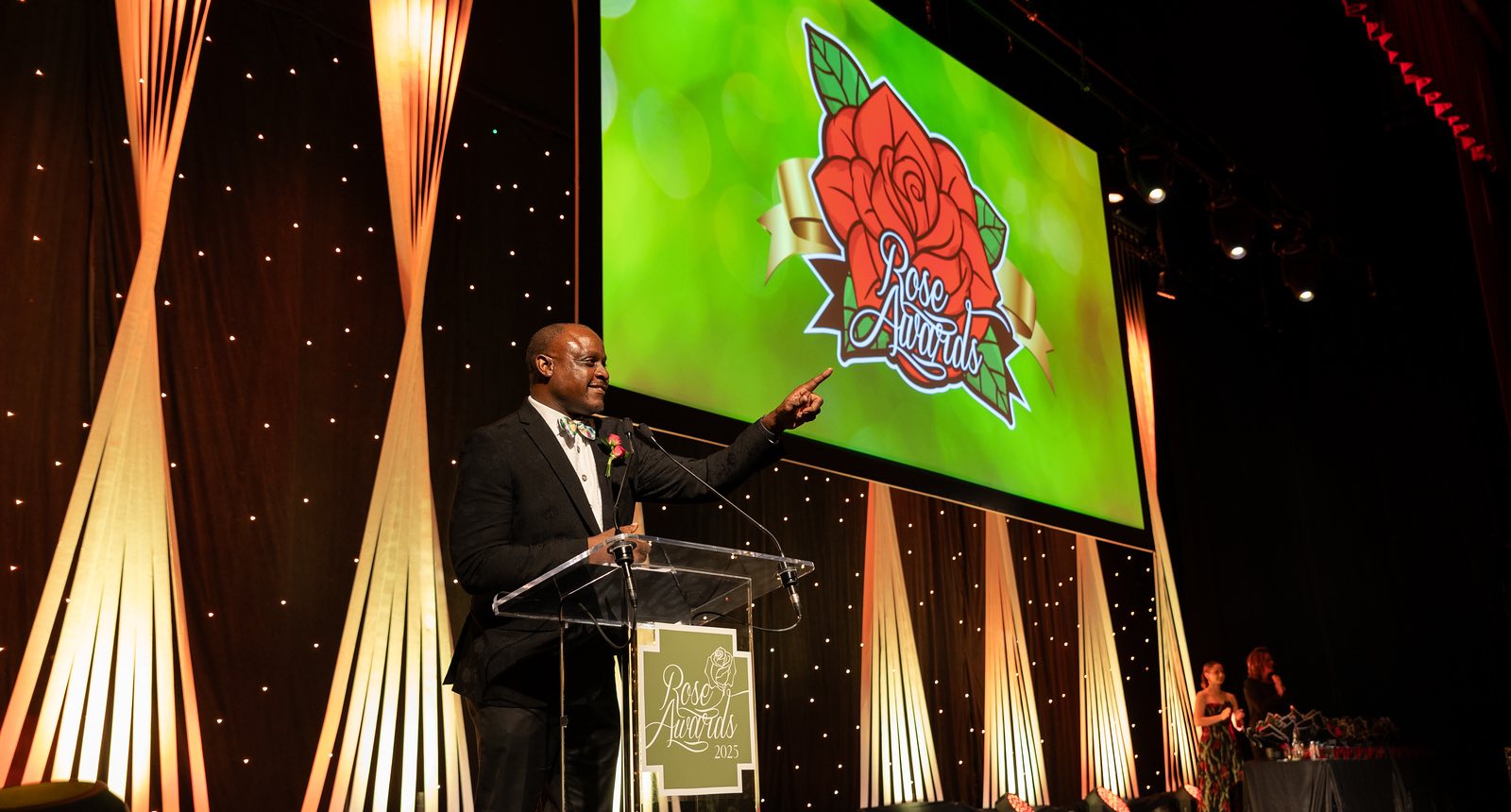

When Steven G. Foster, CMP, attended the MPI Dallas/Fort Worth Chapter’s Education Day in March, he wasn’t expecting a breakthrough mindfulness experience—but he got one.
“I was extremely impressed with the message from Dorsey Standish on mindfulness. She began by saying there were probably some skeptics in the room, and she was absolutely talking to me,” Foster, a longtime MPI volunteer leader/trainer and managing partner of Foster+Fathom LLC, wrote on LinkedIn. “While my brain was being overloaded with all the excuses and misperceptions I brought into the room, she quietly and confidently provided valuable information and led a very masterful demonstration of the practice. One of the best education sessions I've attended.”
Standish, who, alongside her wife Mari Woodlief, runs a wellness firm called Mastermind, says feedback like that received from Foster reaffirms her passion for the work.

“I can’t wait to empower more meeting professionals and conference attendees with practical tools for mental health,” says Standish, whose “Master Your Mind: Mindfulness for Mental Health” session explores practical tools for mental resilience, debunking common mindfulness myths, simplifying mental well-being through a focus on self-awareness and creating an easy action plan for “Mindful Minutes” that participants can use daily to support their mental health.
“The presentation blends my own story of overcoming burnout with cutting-edge neuroscience and engaging, experiential mindset practices that aim to make mindfulness accessible, especially for high-achieving, Type A individuals like me,” she says.
A wake-up call
Her personal journey into wellness began with a need to reclaim balance and resilience in her own life.
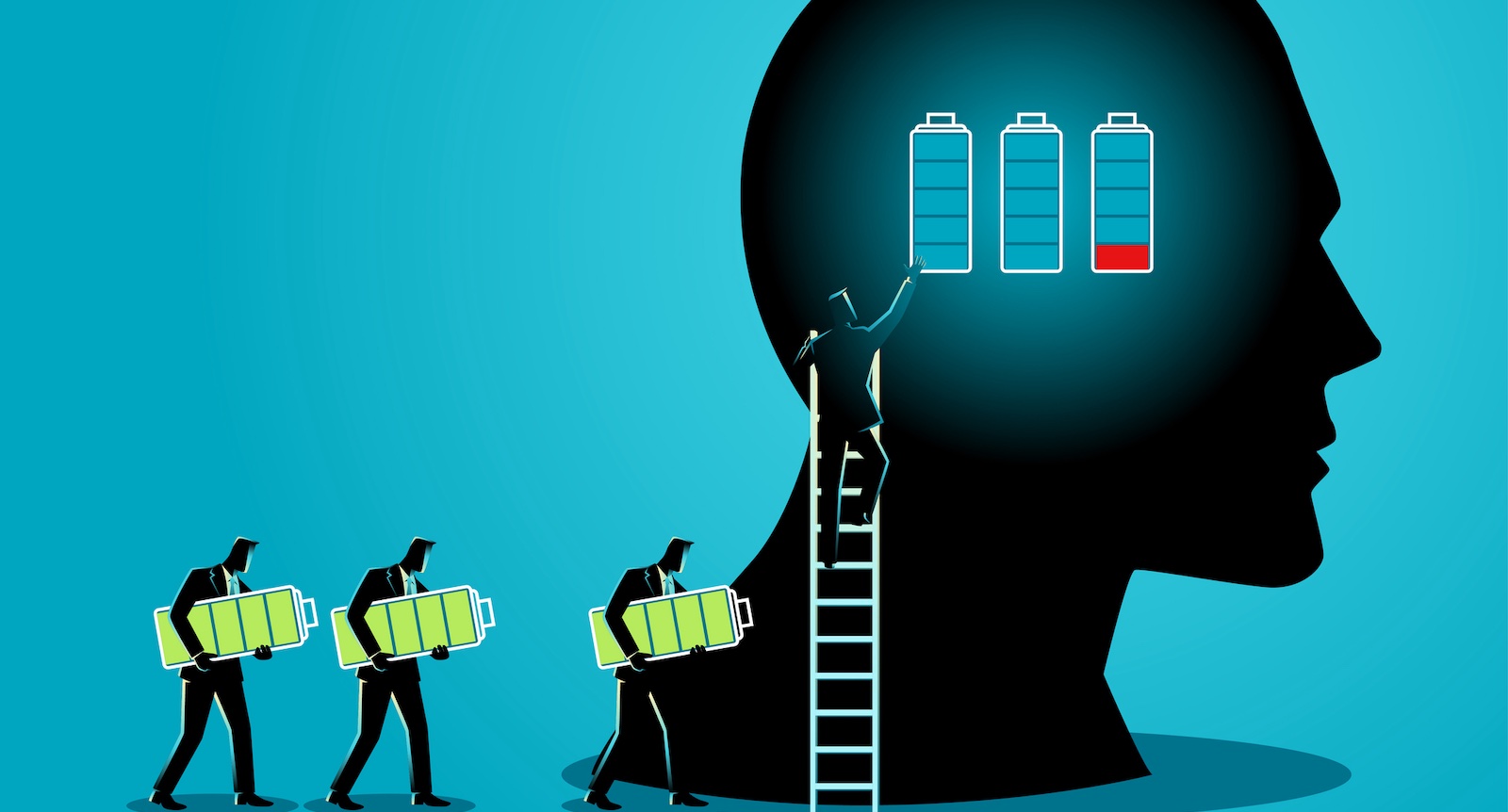
“I’ve always been a Type A, science-driven skeptic and started my career as a mechanical engineer in a Fortune 500 tech company,” Standish says. “I loved the fast pace, the problem-solving and the thrill of career advancement. But over time, the project demands, long hours and international travel took a toll on my mental health. in 2015, I found myself facing severe stress-induced burnout.”
That wake-up call forced her to “re-evaluate everything,” and she learned to apply the mindset of an engineer to her own wellbeing and mental health.
“As I worked to rebuild my resilience, I discovered the transformative power of mindfulness and brain health practices,” Standish says. “While I was, at first, reluctant to sit still and ‘do nothing,’ through just a few weeks of mindfulness practice, I saw firsthand how mindful moments with myself could reduce my stress and help me feel more balanced, focused and effective. This experience inspired me to shift gears, stepping away from the corporate world to study neuroscience and mindfulness formally.”
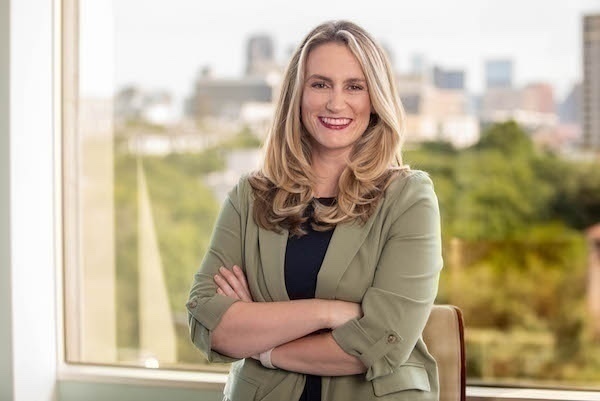
What followed was a master’s degree in cognitive neuroscience and training in mindfulness-based stress reduction, and then a mission to reach other high achievers skeptical about taking time for well-being.
Through Mastermind, Standish and Woodlief work to grow a happier, healthier world through mindfulness and emotional intelligence practices backed by science, partnering with organizations such as Toyota and American Airlines to help people understand how their brains work and how to care for their mental health, “making workplaces more resilient, compassionate and productive.”
“Our sessions are interactive and experiential,” Standish says. “By incorporating evidence-based mindfulness, movement and mindset exercises, we create space for attendees to reset, recharge and leave with new tools they feel confident using in their day-to-day lives."
Avoiding overload
Meeting professionals can make a significant impact on attendee well-being by applying neuroscience principles, Standish says, going beyond a “wellness track” to weaving wellness throughout the entire event.
“Our brains thrive (and learn better!) when we’re not overloaded with information, so building in short ‘microbreaks’ throughout the day—moments of mindfulness, stretching, art therapy or walk and talk networking activities—can help participants reset and stay engaged,” she says. “This might mean scheduling 15- or 30-minute breaks in between each session with a variety of reset activities.”
Meeting professionals can also elevate the event’s overall look, feel and impact—while also promoting brain health—by incorporating natural light, greenery, flowers, water features, forest-inspired aromatherapy and comfortable spaces, Standish says.
“One of my recent keynote clients supported the mental health and empowerment theme of our work together by redecorating their conference room and break room with moss walls, greenery and gold mirrors with affirmations, and they even had a hot chocolate bar for attendees,” she says. “Touches like these reinforce the well-being theme throughout the conference, helping people feel their best and make the most of their event experience.”
Facing an always-changing, always-stressful industry, it can be difficult for event professionals to focus on their own wellness. Standish recommends developing a simple a “Mindful Minutes” routine—one- to two-minute resets.
“For example, you could sit for a minute with your first cup of coffee and fully taste and savor your sips,” she says. “You could take a moment between meetings to practice deep breathing or a quick grounding exercise, like feeling your feet on the floor. Mini resets help your nervous system recalibrate, making it easier to stay energized and resilient.”
But simply focusing on the basics—eating, sleeping, moving and breathing well—is important, Standish says.
“Prioritizing basic self-care like sleep hygiene, eating enough protein and nutrients, staying hydrated and adding small movement breaks to your day can go a long way toward maintaining your wellness, no matter how busy life gets,” she says.