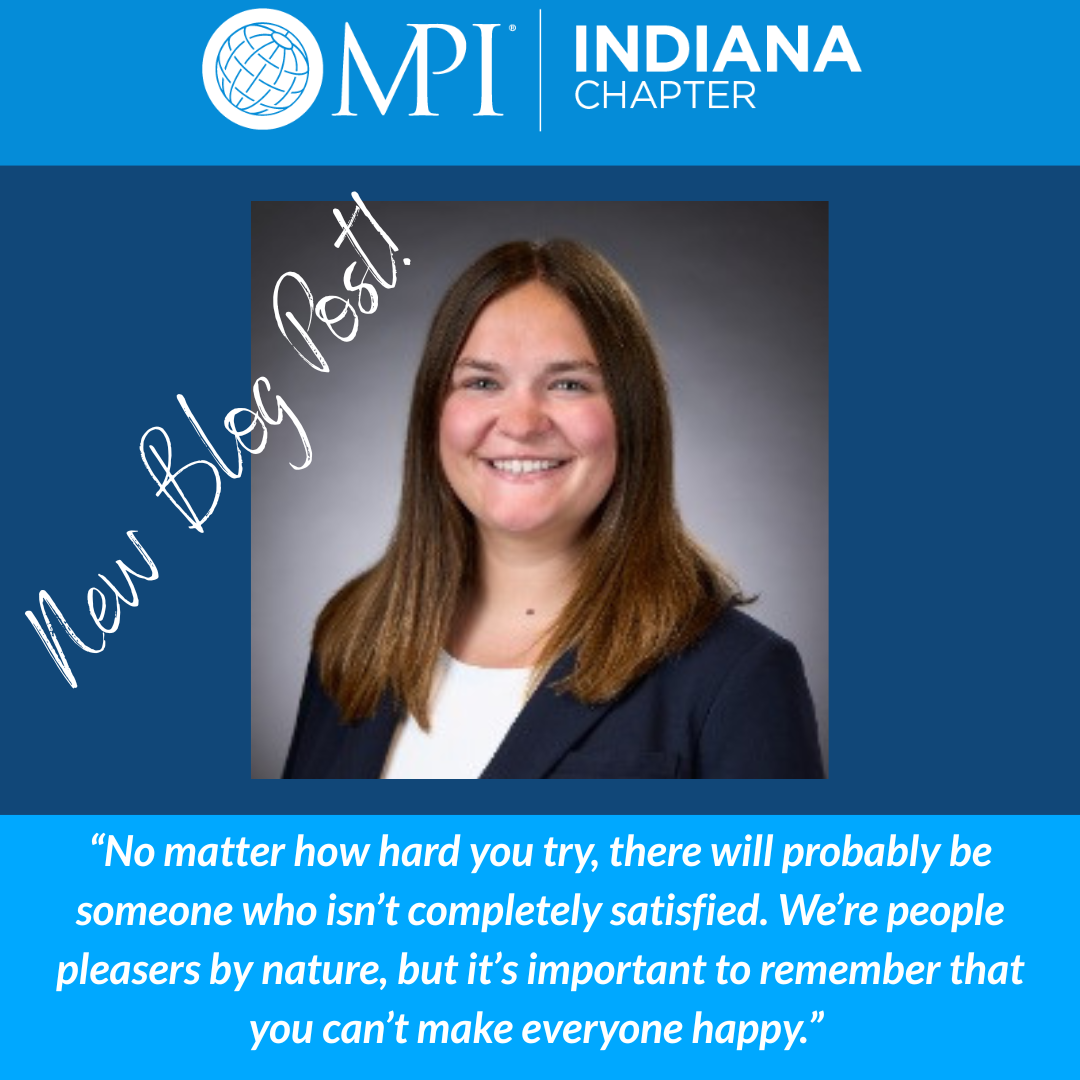
Carley Kley
https://www.linkedin.com/in/carleykley/
Breaking into the meetings and events industry can feel both exciting and overwhelming. For many early career professionals, the first year is filled with new challenges, learning curves, and moments of growth.
In a recent conversation with Carley Kley, Corporate Hospitality Event Specialist, we explored what that transition really looks like—from stepping into a full-time role to building confidence, connections, and a career path in the industry.
From Graduation to the Events Industry
Less than a year into her role, Kley is already supporting a wide range of events. Her team focuses specifically on off-site and external events, managing experiences that take place outside of company facilities.
From leadership meetings to large-scale customer events, the scope of work is both varied and impactful.
“It really depends on the year,” Kley shared. “We typically support around 10 to 20 events annually, but those can be multi-day experiences. One event could span an entire week, so there’s a lot that goes into each one.”
With a team of just three planners, collaboration and adaptability are essential to delivering successful events at scale.
Why Events? A Passion for People and Variety
For Kley, the decision to pursue a career in events came down to two key things: people and variety.
“I love serving others and creating experiences for people,” she said. “And I also love that no two days are the same. There’s always a new challenge or something different to plan.”
That dynamic nature is often what draws professionals into the industry—but it’s also what keeps them engaged long-term.
Expectations vs. Reality
While many people assume event planning is all about “planning parties,” Kley had a more realistic understanding going into her role, thanks to her internship experience.
Still, one lesson quickly stood out: perfection isn’t always possible.
“No matter how hard you try, there will probably be someone who isn’t completely satisfied,” she explained. “We’re people pleasers by nature, but it’s important to remember that you can’t make everyone happy.”
That mindset shift—from perfection to progress—is a critical one for early career professionals navigating high-pressure environments.
Navigating Networking as a New Professional
Networking is often emphasized as one of the most important aspects of building a career in events—and for good reason.
Kley’s advice? Start small and don’t be afraid to go alone.
“You’re probably not the only one in the room who doesn’t know anyone,” she said. “It’s okay to feel nervous—that’s normal.”
She also emphasized the importance of using tools like LinkedIn to maintain connections and build familiarity over time.
“LinkedIn should be your best friend. It helps you remember people and build those connections so that the next time you see them, it’s not your first interaction anymore.”
Making the Most of Every Experience
For students and interns looking to break into the industry, Kley emphasized the importance of mindset and preparation.
“Even if an internship isn’t exactly what you expected, it’s still a learning opportunity,” she said. “You’re building your network and figuring out what you do—and don’t—want to do.”
Perhaps most importantly, she encourages students to shift their perspective:
“You’re not ‘just’ an intern. You’re a professional, and how you show up matters.”
Looking Ahead: Growth and Opportunity
When asked about the future, Kley didn’t point to a specific job title or timeline—instead, she focused on growth.
“I’m excited to see where I’ll be in five years,” she said. “There’s still so much to learn and so many experiences ahead.”
It’s a reminder that early in your career, it’s less about having all the answers and more about staying open to opportunities.
Supporting the Next Generation
From an employer perspective, Kley highlighted one key area where organizations can make a lasting impact: professional development.
“Investing in professional development is so important,” she said. “And not just making it available, but encouraging employees to take advantage of it.”
That support can take many forms—from attending industry events to participating in webinars or mentorship opportunities. Just as important, she noted, is leadership setting the example.
“When leaders prioritize professional development themselves, it encourages employees to do the same.”
What We Can Learn From This
Kley’s journey into the events industry highlights a powerful truth: early career professionals don’t need to have everything figured out—they just need the willingness to learn, grow, and put themselves out there.
For MPI Indiana Chapter members, it’s also a reminder of the role we all play in shaping the next generation of professionals—through mentorship, opportunity, and support.