By Chelcie Abajian, CMP (MPI Greater Orlando Chapter), senior manager, conferences & events, United States Tennis Association
We’ve all been there: an event schedule packed from 8 a.m. to 6 p.m., followed immediately by a high-energy “networking mixer.” By 2 p.m., your brain feels like a browser with 50 tabs open—none of them are loading and the fan is spinning at maximum speed.

Confessions of an overstimulated attendee
I’ll be the first to admit it: I am that attendee. While I love the content of a great conference, I have a “hard reset” requirement. To show up energized for the afternoon sessions, I need 45 to 60 minutes in the middle of the day just to breathe, away from the crowd.
When the sun goes down and the high-energy nighttime receptions begin, I often find myself hitting a wall. For many of us, the sensory input of a thumping bass line and a crowded ballroom doesn’t spark “connection,” it sparks a desire to retreat. I’ve realized that my best networking doesn’t happen when I’m drained and shouting over music, it happens when I’ve had the space to recharge my internal battery.
The 2026 shift: Respecting the adult brain
As we look toward the event landscape of 2026, the trend is shifting. We are moving away from sensory overload and toward stealth tech and quiet rooms. The goal of this updated focus is to respect the adult brain.
How do we fix this? By designing for the human, not just the venue capacity.
- Stealth tech: This is technology that works in the background to reduce friction without being intrusive. Think seamless, contact-less check-ins or AI assistants that handle logistics via text, so attendees don’t have to hunt through complex apps.
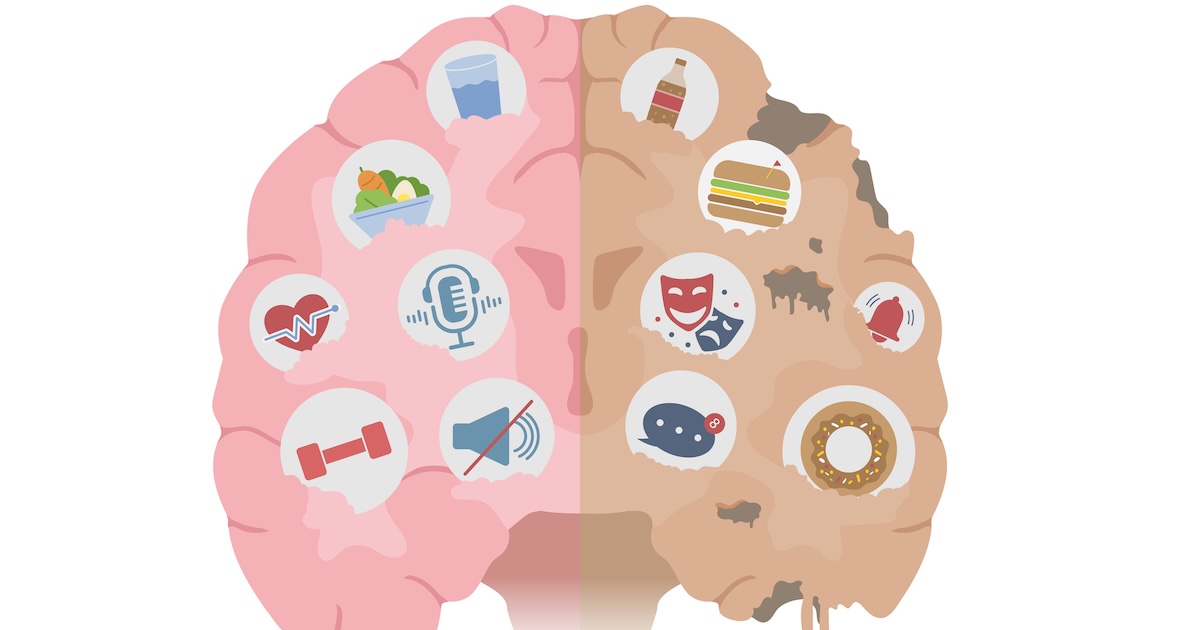
- Quiet rooms: These aren’t just “empty break rooms.” They are curated, low-sensory environments designed for decompression. No music, dimmed lighting and a strict no-talking policy allow the nervous system to reset.
Why ‘white space’ equals ROI
Planners often fear that downtime looks like wasted money. In reality, white space is the secret ingredient to attendee ROI. Some other ideas to incorporate into your agenda include 15-minute “sprint” breaks, “low-battery” networking and “information processing” time.
When you give people time to breathe, they actually talk to one another about what they just learned. They process the “big idea” from the morning keynote. They return to the next session refreshed, rather than resentful.
If you want your attendees to remember what they learned in 2026, you have to give them the space to forget the noise. The power of the pause isn’t a luxury; it’s a biological necessity for effective adult learning.
Stop scheduling every second. Start designing for the brain.