“You could feel decades of survival mode begin to unravel,” Sepideh Eivazi says of somatic breathwork experiences she led during the Caesars Entertainment Wellness Roadshow.
This was one of the most transformative wellness activations Eivazi, who is featured on the Caesars Entertainment wellness menus for meeting planners, was involved with over the past year.
“These experiences were rooted in nervous system regulation and embodied integration,” says Eivazi, a TEDx speaker, mental health activist and founder of the Dawn of the Earth wellness platform. “What made these sessions extraordinary was not the content, but the context: hospitality professionals who spend their lives serving others were finally given permission to return to their own bodies. I watched people shift from tension to coherence, from depletion to presence. Shoulders dropped. Breath deepened. Eyes softened.”
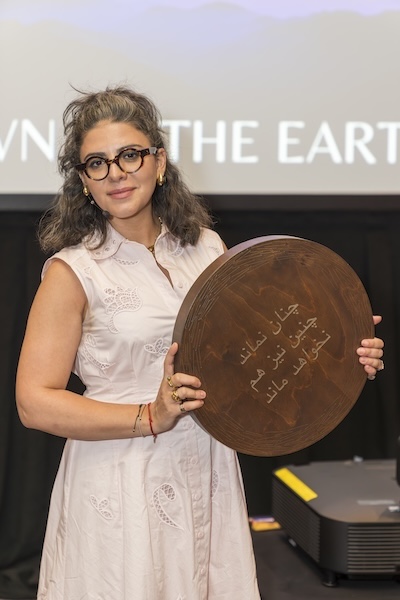
She believes Caesars Entertainment has quietly become one of the most progressive voices in the hospitality industry.
“Instead of treating wellness as an amenity, Caesars treats it as an ethic, as a responsibility to the people who hold up this industry day after day,” Eivazi says.
Naomi Tucker, a strategic event consultant/coach and founder of Planners on Purpose who leads wellness-focused session at events such as IMEX America, has been encouraged by seeing event planners view wellness and relaxation zones with more intentionally than in years past.
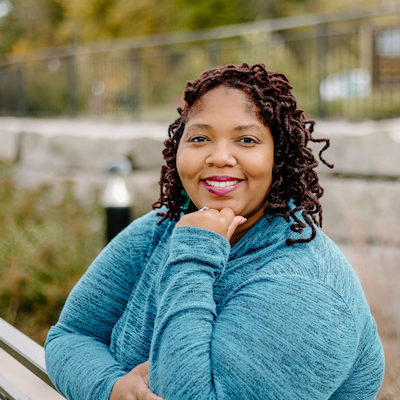
“These spaces are no longer just a quiet corner but thoughtfully designed environments, often enhanced with elements like meditation pods or biohacking experiences such as red-light therapy,” she says. “What makes them especially successful is that many attendees are being introduced to wellness tools they haven’t tried before, sparking curiosity while delivering real benefits. When people can step away briefly, reset and then return to the event feeling calmer, more focused and more energized, it reinforces how powerful a well-designed wellness activation can be for the overall attendee experience.”
Creativity and connection
A wellness trend Tucker expects to see more of in 2026 is increased personalization in offerings.
“When it comes to health and well-being, everyone is on their own journey, so arriving at an event with a variety of wellness options can feel both empowering and refreshing for attendees,” she says. “It allows them to personalize their experience and engage in self-care in a way that truly meets their needs in the moment.”
Wellness perks will increasingly be intentionally aligned with the specific stressors or interests of the audience, according to Tucker.
“For example, offering eye-strain and screen-fatigue resets at a tech conference creates a highly relevant and meaningful wellness experience,” she says. “This level of thoughtful personalization not only increases participation but also helps wellness feel seamlessly integrated into the overall event design, rather than an add-on.”
The biggest wellness trend Eivazi sees emerging in 2026 is “embodied integration,” the practice of helping attendees “absorb, metabolize and integrate” the content and experiences they encounter at events.
“In our industry, people move from back-to-back trips, nonstop programming and escalating responsibilities with almost no time to process what they’ve learned, felt or carried,” she says. “This leads to cognitive fatigue, emotional overload and physical burnout.”
Eivazi believes embodied integration will address these concerns at events through somatic breathwork built into agendas to help people reset between sessions; micro-recovery breaks designed for grounding and emotional digestion; ritual spaces (like grounding tea ceremonies) that support clarity and cohesion; post-session integration practices to transform information into embodied wisdom; a shift from performance culture to presence culture; and a focus on women’s hormonal health, burnout patterns and nervous system resilience.
“Integration is not a luxury—it is the missing link,” she says. “And in 2026, the most innovative events will prioritize the nervous system as the foundation for creativity, connection and sustainable high performance.”
Positive perceptions
Tucker says the conversations she’s had with meeting and event professionals have noticeably shifted once they’ve experienced wellness activations firsthand.
“Many share that they feel more refreshed, focused and able to sustain their energy throughout the event, reinforcing the connection between wellness and performance,” she says. “Industry research shows that most attendees say wellness offerings improve their overall event experience, with nearly half reporting a more positive perception of the event. As a result, the conversation has moved from whether wellness belongs at events to how to integrate it well, with planners increasingly recognizing the clear return when attendee well-being is prioritized as well as their own.”