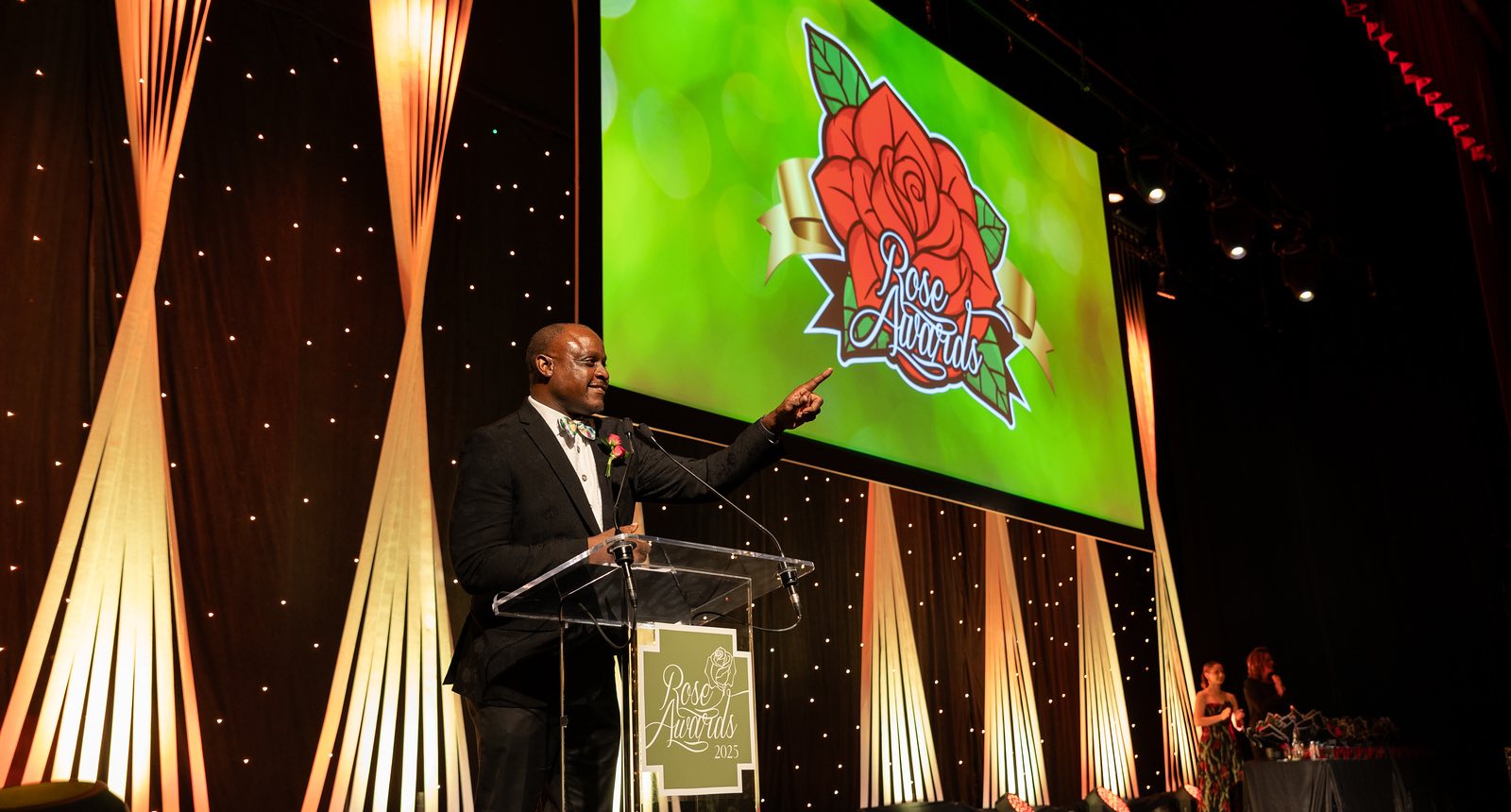
“Can you tell us about a tangible way a company or organization can measure inclusivity progress?”

Gary Murakami, GTP, GLP, CMP, CMM, DES
Vice President of Sales & Industry Relations, Teneo Hospitality Group
MPI Equity, Diversity and Inclusion Committee
MPI Global Board of Trustees
Measuring progress towards inclusivity in the meeting and event industry, or in any company or organization, involves several key indicators and measurement opportunities. Companies can track the diversity of their event attendees, speakers and organizational leadership to ensure representation across various analytics and demographics. Surveys and feedback mechanisms that assess participant experiences, perceptions of inclusivity and the effectiveness of diversity initiatives also provide invaluable insights and data metrics. In addition, monitoring the implementation of inclusive practices, such as accessible and welcoming venues, diverse programming and accommodations for varying needs serves as critical and key evidence of an organization’s commitment to fostering an inclusive environment. Finally, progress must involve constant analysis and possible recalibration to act upon these metrics and to adjust when realized, which can guide ongoing efforts to enhance inclusivity within the industry.

Zoe Moore
Strategic EDI Consultant, Moore Consulting Agency
MPI Georgia Chapter
Event companies can measure progress towards inclusivity internally and externally. They can survey their workforce for diverse representation at all levels, retention of new staff and cross-collaboration between teammates or departments. They can also examine who they engage in business by creating a supplier diversity program. When examining their sourcing practices, they can add new vendors that are minority owned and ensure they incrementally increase their annual or per-event spend with such businesses from as low as 5 percent to 25 percent over a two- to three-year period.
Externally, inclusivity progress can be measured by the decisions teams make when identifying venues, sourcing speakers, selecting food and beverage options and designing experiences. If what gets decided generally benefits a homogenous group, then what is deemed as inclusivity progress is more than likely performative and not significant or sustainable. However, when event professionals understand that designing for the most marginalized of us benefits everyone, then we’re making progress.
Beginning with an assessment an organization can acknowledge where they are to date, set goals for where they want to go and hold themselves accountable along the journey towards tangible, measurable and sustainable change.
Paola Bowman, CMP, CMM
Director of Client Services & Events, Arlington CVB
MPI Dallas/Fort Worth Chapter
Some
organizations have been successful in creating DEI councils/committees
that keep a pulse on best practices as well as the sentiment of the
members of the organization, be it staff or association members in
events. The demographics of the organization as well as sentiment
surveys, with set metrics and goals, can be a barometer to measure
inclusivity progress.
Gabrielle Austen-Browne
Founder and Director, Diversity Alliance
Co-founder, Diverse Speaker Bureau
MPI U.K. & Ireland Chapter
To
drive diversity, equity, inclusion and accessibility in the workplace,
intentional strategies and employee-led policies and practices are
essential. But while these are all crucial, the missing link has been
data. We need to be measuring the impact our policies and initiatives
are having. We know that by using the right data, companies can level up
their DEI strategies, which in turn improves their workplace culture as
well as provide a competitive edge over companies that aren’t measuring
this data. Committing to this will lead to better employee engagement,
satisfaction, attraction and retention.
At Diversity Alliance,
we support companies to collect this data, analyze it and make bespoke
and specific recommendations. But for companies that have the resources
and expertise to deliver this internally, I recommend the following.
Develop surveys (pulse, bi-annual and annual) that explore individual and team knowledge and sentiments regarding equity, diversity, inclusion and accessibility. Focus on identifying internal systems or behaviors acting as barriers to inclusion.
Collect both qualitative and quantitative data in your surveys. This will provide a deeper overview, helping you to establish a more nuanced understanding of your company’s DEI landscape.
Share key insights from the surveys with stakeholders. Transparency is key and will empower everyone to make informed decisions and take targeted actions to enhance inclusivity, equity and accessibility.
If your organization does not have a DEI lead or people and culture manager, work with external specialists to analyze this data and make recommendations that will truly move the needle.