Pandit Dasa believes having back-to-back sessions isn’t very productive when it comes to wellness at events.
“The mind can only absorb so much information. It needs time to decompress and relax before being ready to take in more information,” says Dasa, an author a keynote speaker on workplace culture, the future of work, resilience, mental health and mindfulness who has been featured in Forbes, Entrepreneur, the Wall Street Journal and many other publications. “So, scheduling back-to-back sessions is unproductive and exhausting and doesn’t bring about the results one is hoping for.”
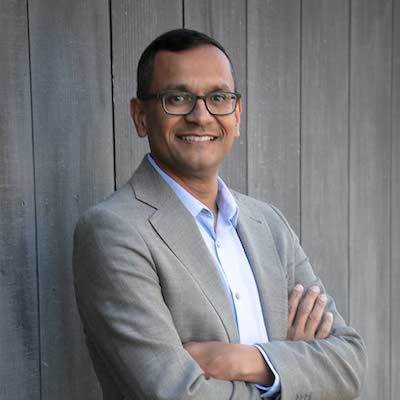
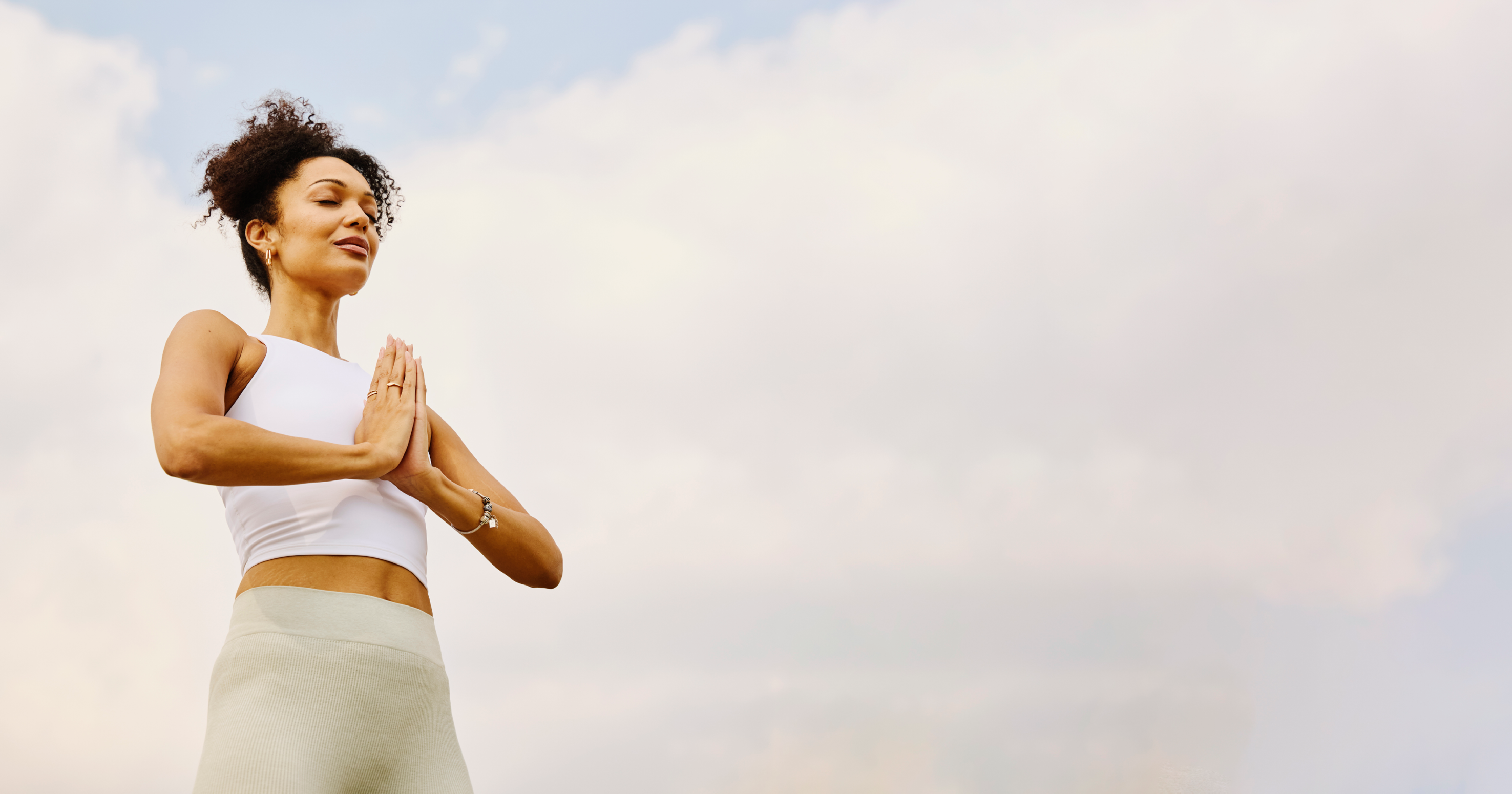
What is working when promoting wellness at events? Early morning yoga, exercise and/or meditation sessions for participants to engage in before everything gets going, according to Dasa, who also shares his insights with groups through a partnership with Caesars Entertainment and its new, innovative Wellness Menu.
“I strongly feel that similar activities should be scheduled throughout the day, giving people a chance to decompress,” he says. “Some conferences I have keynoted at have asked me to host 10 to 15 minutes mindfulness meditation practices which have been very beneficial for attendees. They feel refreshed and recharged and ready for the next event.”
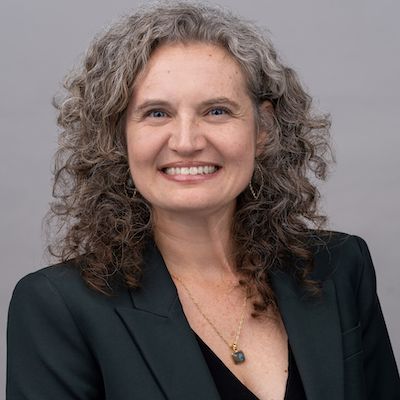
Kristine Iverson says that while wellness in meetings was already on the rise pre-COVID, it is now well beyond simply being in demand.
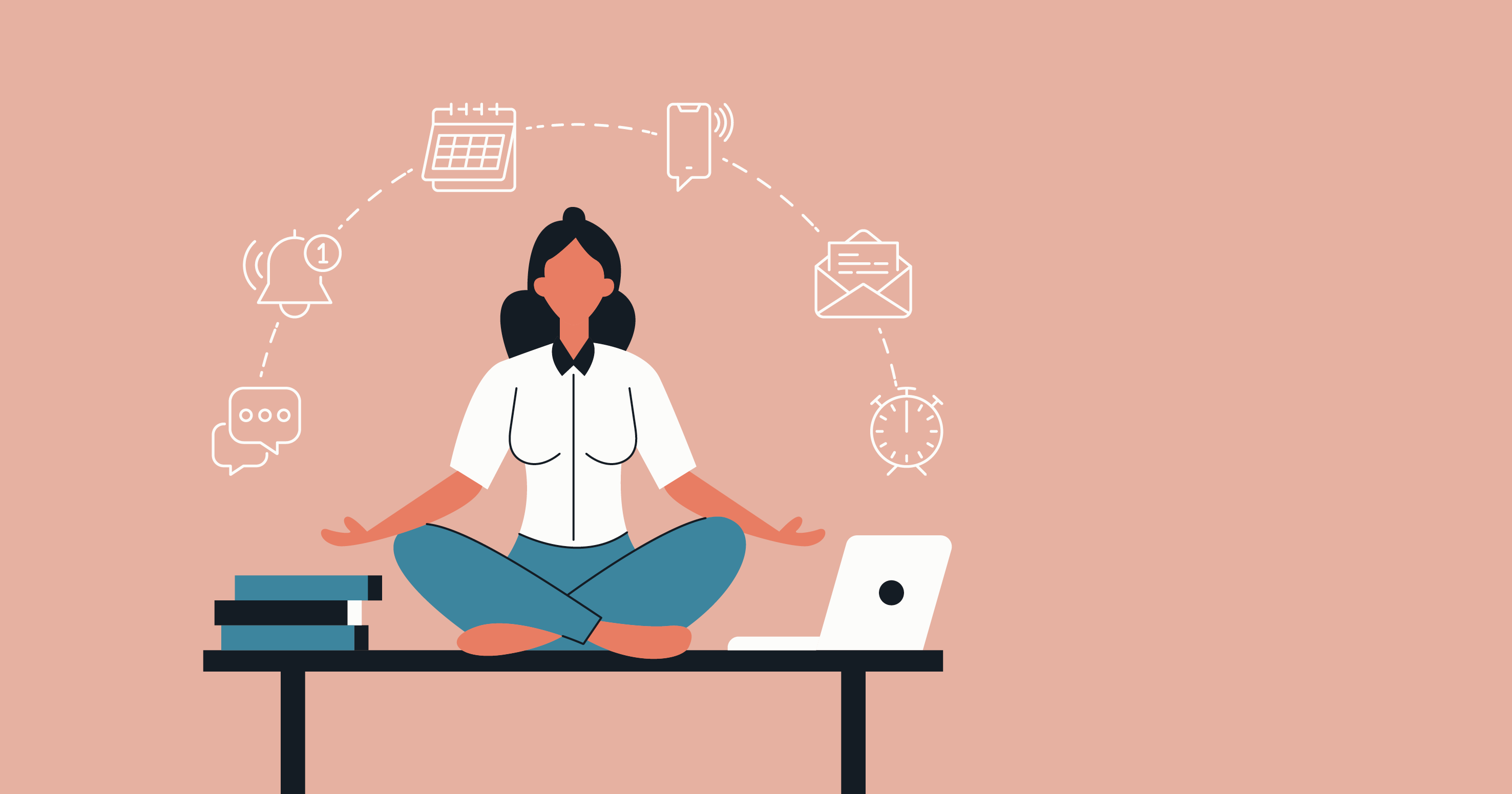
“It is seen and understood as a needed and often critical component,” says Iverson, founder and visionary of CROW Practice Wellness Consultants, dedicated to collaborating with corporate event planning companies and their clients to seamlessly integrate wellness programs into large events, conventions, conferences and more. “People are recognizing the need for work-life balance and self-care in a world where work can find you at any hour via your electronic devices.”
Her company has four categories of wellness options—fitness, workshops, flow stations and speakers—and Iverson says that while meetings and events are a great opportunity to acquaint people with self-care, it’s important for planners to look beyond checking a wellness box.
“They are responsible to plan an entire event/program and may not have a wellness background,” she says. “An event planner is going to view their event from the event perspective, not a wellness lens.”
A passion for helping others
Iverson’s passion for sharing a wellness message is deeply personal. After graduating college, she wanted to travel the world and began working on cruise ships.
“I was not prepared that at the end of my six-month contract, I would be physically, mentally and emotionally exhausted,” she says. “I had a complete breakdown and disembarked the ship on a stretcher in Lisbon, Portugal. When I returned to the U.S., I was involuntarily committed via the Baker Act.”
Iverson spent many years trying to understand the traumatic experience and learning tools.
“This experience re-shaped me and my life, to a point where I now speak on mental health and wellness,” she says.
Dasa’s journey to becoming a wellness speaker and author began more than a decade ago when he was living as monk in New York.
“I was mentoring many highly driven and successful people, and I began to see that many were silently suffering from depression, loneliness, anxiety and sleeplessness. Many were sacrificing their well-being and relationships for their career growth,” he says. “Seeing this pattern amongst many successful individuals, I became passionate about helping people prioritize their mental, emotional and physical wellness. It’s possible to achieve high levels of success and be healthy. Ultimately, we don’t want to reach the top but end up lonely and depressed.”
Wellness trends in 2024
Iverson believes that wellness consulting, the “marriage of event planning and well-being expertise,” is set to take center stage as the biggest event industry trend for 2024 and beyond. As such, her company is focused on provided wellness components such as mocktail bars, sound baths/crystal bathing experiences, vitamin IV therapies, meditation booths/pods, forest bathing, interactive game play (VR or interactive floor/wall game boards) and beverage meditation rituals/ceremonies/immersive experiences (tea, cacao, yerba mate, mushroom coffees, etc.).
Dasa says that as a heightened awareness of mental health has taken place since COVID, the stigma surrounding mental health is in a small way beginning to decline.
“Increasingly, organizations are asking me to speak about the importance of companies acknowledging, supporting and normalizing the conversation surrounding mental health,” he says. “People are more willing to talk about their mental health and being willing to take a ‘mental health day,’ which is a great sign. Since there is a stigma surrounding the phrase ‘mental health,’ I am hoping we can rephrase it to ‘mental fitness.’ The example I like to give is that if we take our car to the car wash but not to the mechanic, that is not a very sustainable for our overall well-being. Both need to be taken care of.”
Look for part two of our conversation with Dasa and Iverson in March on the MPI blog.