Chairs of MPI’s Regional Councils share insights on the most important trends of 2024.
Fostering collaboration, best practice sharing and continuous improvement within MPI chapters, clubs and student clubs in each region. This is the mission of the MPI Regional Councils, which aim to create a cohesive and effective MPI community link, allowing for effective communication and collaboration.
For this year’s MPI state of the industry report, we decided to ask the chairs of the Regional Councils to each share their thoughts on one important trend impacting meetings and events in 2024.

MaryAnne P. Bobrow, CAE, CMP Fellow, CMM
Bobrow Associates Inc.
Chair, MPI Regional Council - Pacific US
Post COVID-recovery, as the industry began its return to business, it was not business as usual. Longstanding relationships had much catching up to do, while others had to forge new partnerships. Thus, a unique opportunity to advance via collaborations and engagements at all levels of the industry emerged. For 2024, Regional Council chapters will align their efforts via goals involving chapter growth, education/events, promotion of global events, support of the MPI Foundation and, most importantly, better communications and cooperation in enhancing our industry. We sincerely hope the outcome is an industry working in cooperation to improve the work we all do.

Steven G. Foster, CMP
Managing Partner, Foster+Fathom LLC
Chair, MPI Regional Council - Southwest US
Engagement in meaningful activations that provide opportunities to give back in the communities where we live, work and meet are the heartbeat of enduring communities. Now, more than ever, in return for taking the time and effort to attend an event, people want robust networking and hands-on collaborations that foster a sense of belonging and provide “context,” not just content. I’m expecting creative event planners and marketers that want to distinguish themselves from the competition to engage their audiences by crafting compelling CSR touchpoints that focus on “belonging”—being part of something bigger than yourself (a community, family or industry) by helping others. I actually see this as the next evolution in diversity, equity and inclusion. The shift away from tired games and competitions to thoughtful “team-giving” events that capture the attention of attendees; increase the likelihood of their satisfaction, participation and engagement with your brand; and extend “belonging” far beyond the event day.

Shannon Jones, CMP
Senior Manager, Meetings + Events, Destination South Meetings + Events
Chair, MPI Regional Council - Southeast US
One trend that we are seeing a lot in the meetings industry is the awareness and offerings of dietary restrictions, wellness meals and non-alcoholic options before we as planners have to request them. Menus are being designed to call out what ingredients foods contain and what will fit into dietary restrictions. Bar menus are being designed now with mocktails already created. All of these changes are very helpful for planners to create inclusivity for all diets from the beginning without having to have a lot of back-and-forth conversation with CSMs and culinary teams. It’s a win-win-win for planner, venue and participant.
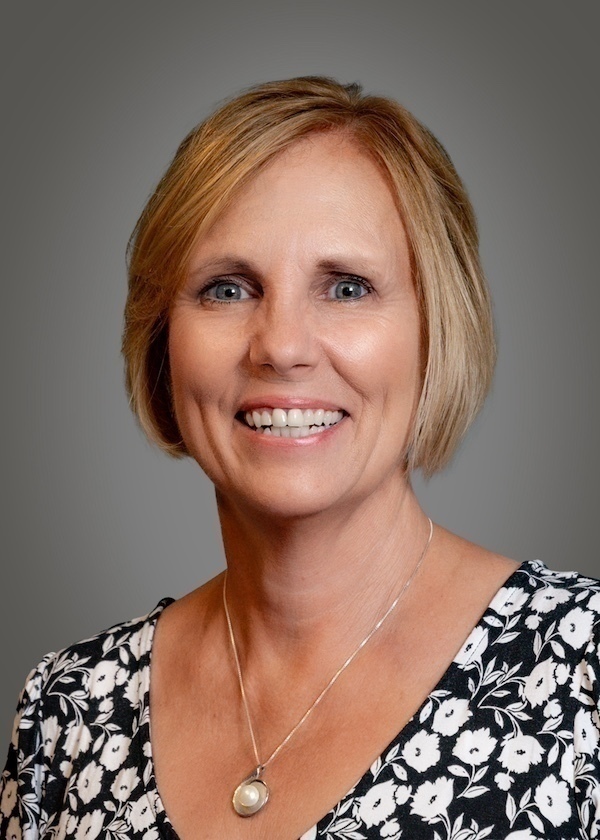
Pam Kammerer
President, Signs By Tomorrow Harrisburg West
Chair, MPI Regional Council - Northeast US
Over the past few years, attendees of meetings and events are getting younger, which requires a different approach to keep them engaged in events. This is a refreshing change that requires both planners and suppliers to take a hard look at how they do business and generate new ideas and immersive experiences. This trend has impacted the MPI Middle Pennsylvania Chapter in a very positive way. The mean age of our members has decreased over the past few years in both planners and suppliers, which has generated more enthusiasm, new ideas and more volunteers.

Bill Kubiak, CSEP, CMP
Vice President, Market Operations, PRG
Chair, MPI Regional Council - Midwest US
While I would not necessarily call it a recent change an issue, I believe that we need to continually focus on industry advocacy. When Meetings Mean Business came into existence following the ’08-’09 recession, a spotlight was put on the financial impact of our industry to the economy. Real data to prove our case and further our efforts now exists. While much progress has been made, we still must continue to raise awareness by supporting industry events such as GMID, backing lobbying efforts and combining these with grassroots efforts. As we raise awareness of the relevance of the meetings and travel industry, we also put ourselves in a position to attract more talent to our ranks.
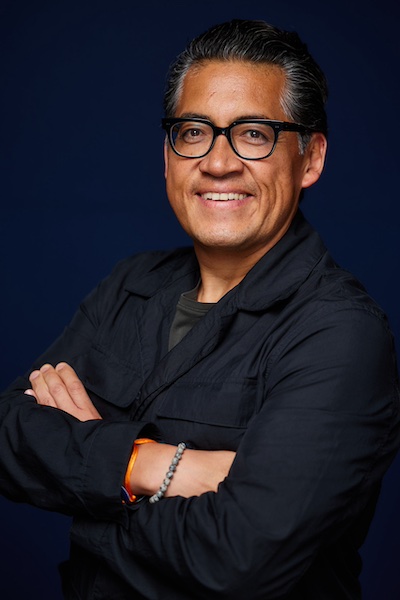
Rick Magaña
CEO, Actnow! Meeting Planner & Marketing Experience
Chair, MPI Regional Council - LATAM
Mental health in the meetings industry is expected to be a growing trend in the coming years due to several interrelated factors. Here are some key reasons.
Change in perception of mental health: In recent years, there has been a significant change in public perception of mental health. It has become more acceptable to talk about mental problems, reducing the associated stigma. This has led to an increase in awareness and attention dedicated to mental health in various spheres, including the meetings industry.
Impact of the pandemic: The COVID-19 pandemic has had a significant impact on global mental health. Uncertainty, social isolation, financial concerns and adapting to new ways of working have increased stress and anxiety. Companies and organizations are recognizing the importance of addressing the mental health of their employees, including those working on the planning and execution of events and meetings.
Focus on holistic well-being: Companies are taking a more holistic approach to their employees’ well-being, recognizing that mental health is as important as physical health. Events and meetings that promote wellbeing and address aspects of mental health, such as stress management and promoting work-life balance, are becoming more valued.
Innovation in meeting formats: The meetings industry is experiencing changes in event formats and approaches to adapt to the changing needs of participants. Including activities that encourage relaxation, meditation and interpersonal connection can positively contribute to the mental health of attendees.
Technology and work flexibility: The widespread adoption of remote work and technology to facilitate virtual meetings has led to greater work flexibility. While this can provide benefits, it also presents challenges, such as disconnection between colleagues and difficulty establishing boundaries between work and personal life, highlighting the importance of addressing mental health in this new work environment.
In summary, mental health is becoming a priority in the meetings industry due to increased social awareness, the impact of the pandemic, the focus on holistic well-being, innovation in event formats and changes in work dynamics driven by technology. Integrating practices that promote mental health into meeting planning and execution will be essential to adapt to these emerging trends.
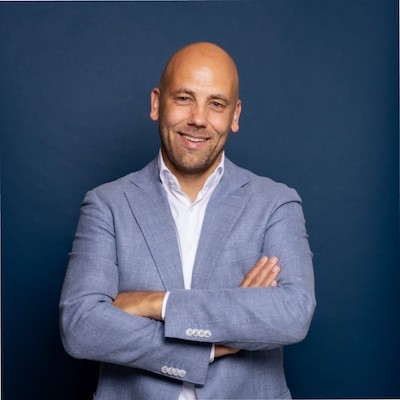
Thijs Peters
Founder, Conventus Consultants
Chair, MPI Regional Council - EMEA & APAC
In the meeting and event industry in Europe, we’re seeing significant momentum for the coming years. The importance of live meetings and conferences for driving change has become evident post-COVID in 2022 and 2023. It’s our time to make a difference by making thoughtful choices. While not historically the most sustainable industry given the international travel that comes with conferences, initiatives such as reducing food waste, offering vegan options and embracing hybrid hub meetings show promise for a shift. Venues need to sharpen their market strategies and train staff to meet the evolving needs of clients. MPI remains central to our industry in Europe, and the Regional Council aims to capitalize on this momentum to grow regional and European communities.