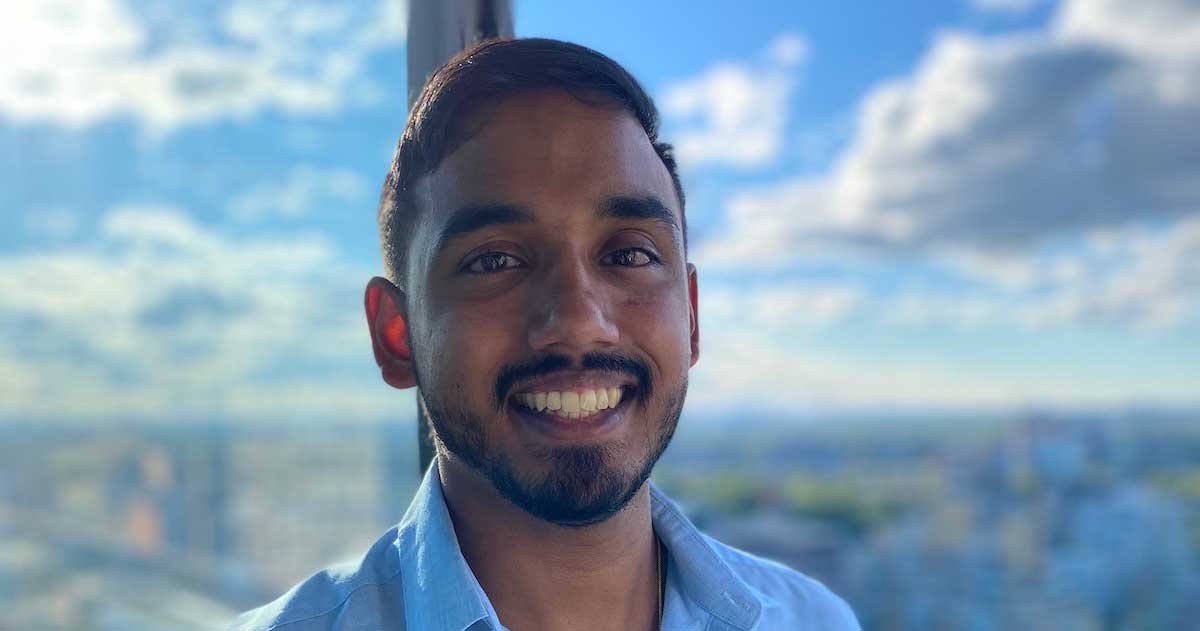
Try viewing artificial intelligence (AI) less like a vending machine and more like a librarian. Trevor Sookraj (MPI Toronto Chapter), general manager of new business for Exposoft Solutions, says that change in mindset helped turn his interest in AI into passion.
"My journey with AI was a gradual one. Like many event professionals, I saw the hype and felt a combination of excitement (‘wow this can do so many things’) and skepticism (‘these answers aren’t that great’)," he says. "Instead of treating it like a transaction, where I ask a question and get a perfect answer, I started to use it as a resource."
With the right prompts, Sookraj realized AI could challenge his thinking and reveal options that he hadn’t considered before, while accomplishing tasks such as writing and analysis significantly faster than he could otherwise do by himself.
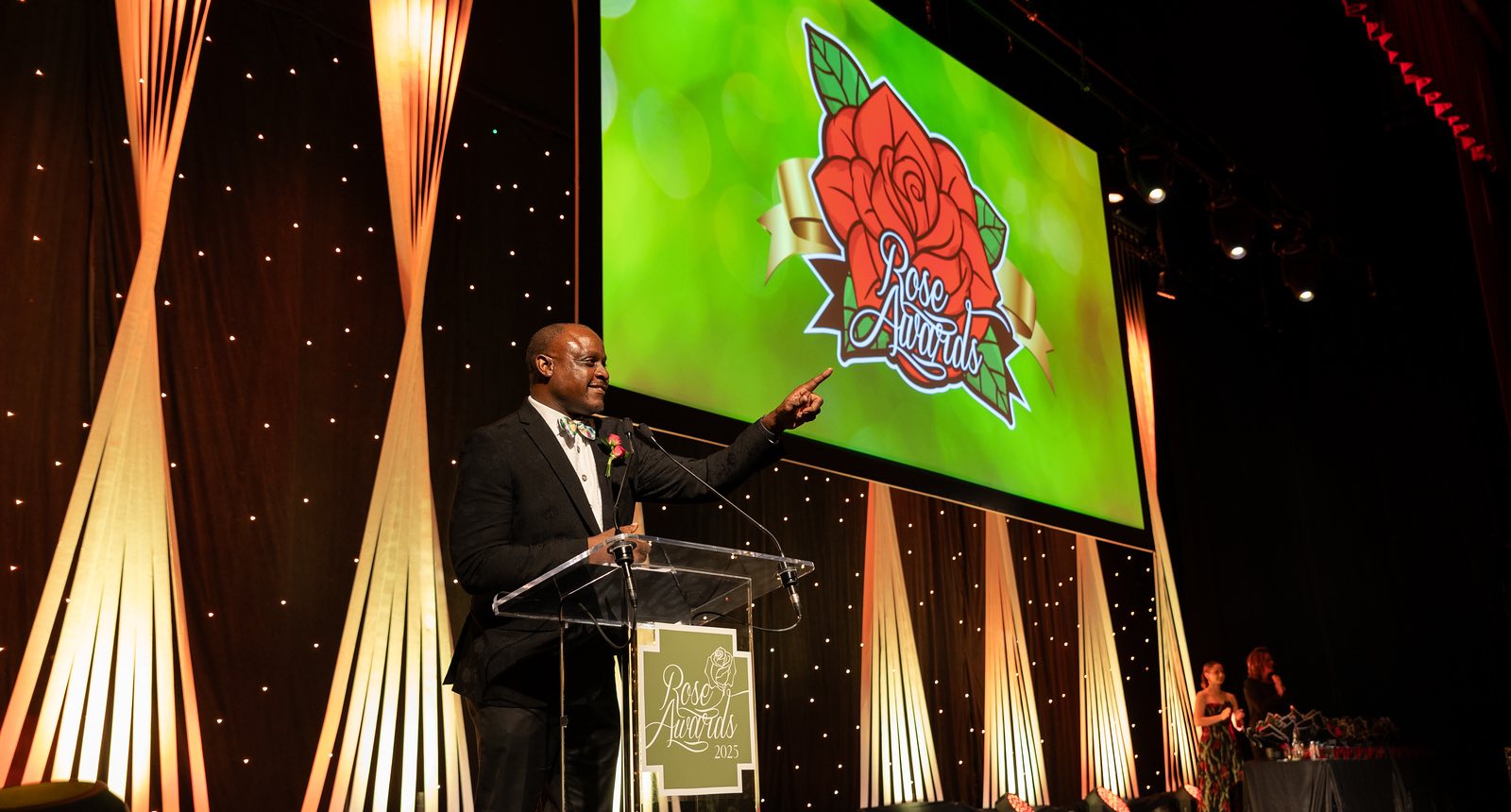
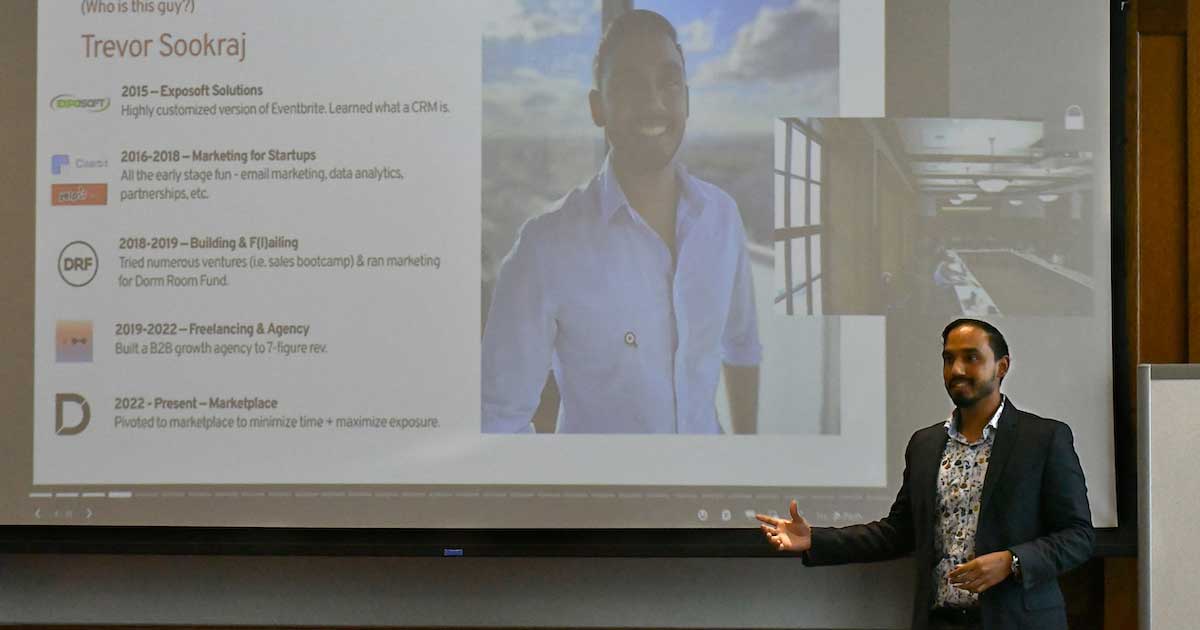
Sookraj shared some of his AI best practices at MPI’s 2025 World Education Congress (WEC) in St. Louis during his session, "How to Add AI to Your Event Planning Workshop." We spoke with him about better use of AI in the event industry, what the industry needs right now and how he got his start.
You believe that while there’s a lot of hype about AI’s use for event functions such as generating agenda ideas and creating speaker bios, there’s much more to it than transactional use cases.
Ask any event planner or supplier to describe their superpower and they’d likely say it isn’t a combination of the individual things they do, but rather their ability to think and ask the right questions to make their event a success. The power of AI is when you can combine its ability as a doer with your ability as a thinker.
It started by sharing my thought process (and knowledge) with AI to find meaningful answers. For a recent event, I uploaded my budget, flagged both issues I’ve had in the past and ideas for the future and asked AI to challenge what I might be missing. I then prompted it to update the budget with some of the changes I agreed with. This combination of work and analysis has been a game-changer in my role as an event planner.
You believe the hardest part for meeting professionals trying to engage with AI is changing their workflows to include it. How can this be overcome?
We all have set ways of working and it takes a lot of nudging to make AI a part of that. My tip would be to start small and get curious; ask AI how to juggle all the meetings you have in the day. When you get an answer with different strategies, challenge it by sharing more context about your schedule, your life and how you work. Taking the response at face value and giving up when it isn’t good enough is like firing a junior employee when they submit a draft of their first project. You have to invest in AI to make it work for you.
Tell us about hyper-personalization of events through engaging AI.
I LOVE it. Making an event feel unique to an attendee is what leads to amazing experiences! I’ve seen this work well both before and after events. Event organizers might ask attendees what they’re interested in and use AI to suggest sessions or other attendees they should meet. Post event, organizers might upload their survey feedback to pull quotes that are great for highlights or discover key sentiments they need to incorporate into next year’s planning.
Tell us about your start in (and return to) the meeting industry.
I went to IncentiveWorks (now CMEE) in 2014 and met the founder of Exposoft Solutions, an event planning agency. Despite being a student, he took an interest in me and gave me my first real job as a project coordinator. I cut my teeth in that role by learning all about operations, sales and the many workflows that go into event planning. While I spent the ensuing years in tech, working at companies like Shopify and building Divisional, my marketing agency, I recently returned to Exposoft to continue to learn from him and bring my skills back to the event industry.
Why did you join MPI and how has your membership had a positive impact on you?
I spend around half of my waking hours at work, and while I love what I do, I need to love the people that I’m working with. I knew I needed to find a community who reflected my values and could help me grow both as a professional and as a person. From my first interaction with MPI, it was obvious that this was a group that truly cared about their members and wanted to form lasting relationships, not transactional ones. I’ve been so impressed with the MPI Toronto Chapter and recently started volunteering with them as well.
Since joining MPI, I’ve learned a lot about best practices for my job and how different suppliers play a role in the event lifecycle. The biggest impact, however, has been the empathy I’ve gained for the industry—hearing how independent planners struggled through COVID, how suppliers flexed to accommodate budgets and the continual fight to make events inclusive while keeping in-line with business needs.
Many of your most memorable professional moments have been opportunities to mentor others. How has that played a role in your career?
When I started my agency, I hired and mentored numerous students who were ambitious and passionate about their work. Over time, I’ve kept in touch with those students as they moved onto bigger roles and continued to grow, often relocating to different parts of the globe! I think the ability to share our experiences with the next generation of talent and give them opportunities to make an impact will continue to be the highlight of my career.
How has working in the meeting and event industry changed you?
Everyone has the opportunity to attend an event or conference at some point, but working in the industry gave me a ton more respect for what goes into making them a success. Event planners and suppliers are constantly juggling a million things for a given event, reacting to changes and trying to create the best experience for their attendees. I’ve been blown away with the attention and care that meeting professionals have and want to bring that with me to work that I’m doing.
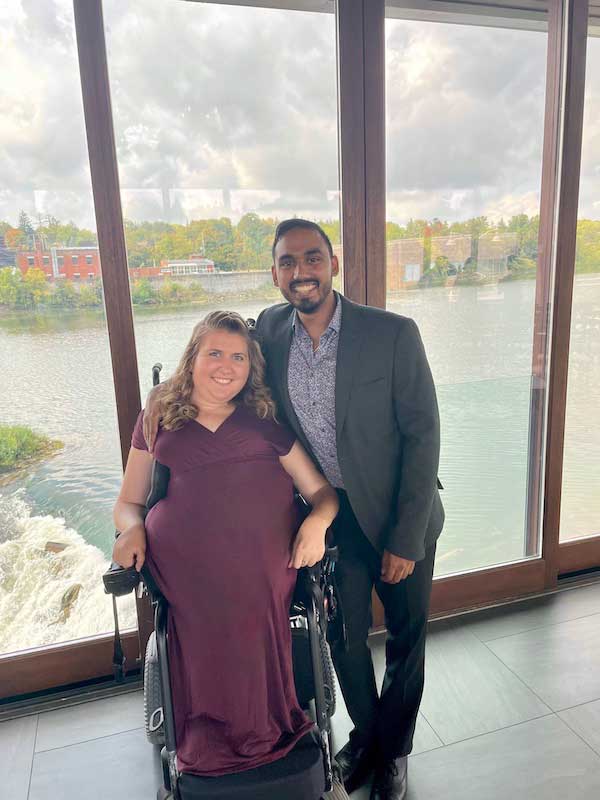
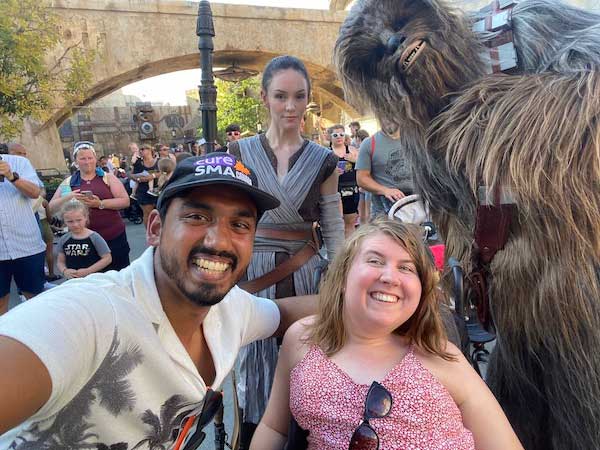
Tell us about how your fiancé has helped change your perspective on work.
Brook is a psychotherapist focused on the post-partum experience, along with being someone who lives with a physical disability. Throughout our relationship, she has shown me how important it is to have balance and listen to your body—both mentally and physically—to have a successful career. This has carried through to my work in the event industry, where I have a much better understanding of what it means to be accessible and how diversity and representation can contribute to a successful event.
What has changed the most during your tenure in the meeting and event industry?
Data has become significantly more important now than it was 10 years ago, when it comes to planning events.
While ensuring an event stays on budget and hits milestones has always been important, new technology (including AI) has made it significantly easier to both find meaningful data and action it during event planning. The fact that some of these workflows can be done with a $30-per-month account instead of a $50,000 product means that more professionals can tap into data and improve their event planning process. This is happening across the event lifecycle, from the sourcing of vendors to the tailoring of attendee experiences.
What are you most passionate about outside of your career?
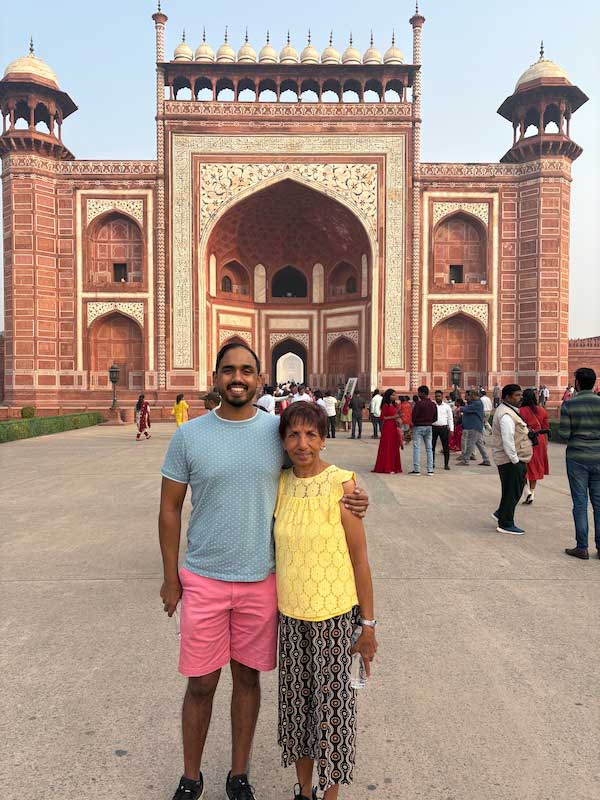
I love to cook and take every opportunity to get better at it and try new things! I recently made my first trip to India with my mom and learned a ton about my heritage and the incredible diversity that exists in Indian cuisine. I’m currently focused on trying to bring more parts of that into my day-to-day while balancing the spice tolerance of my fiancé!