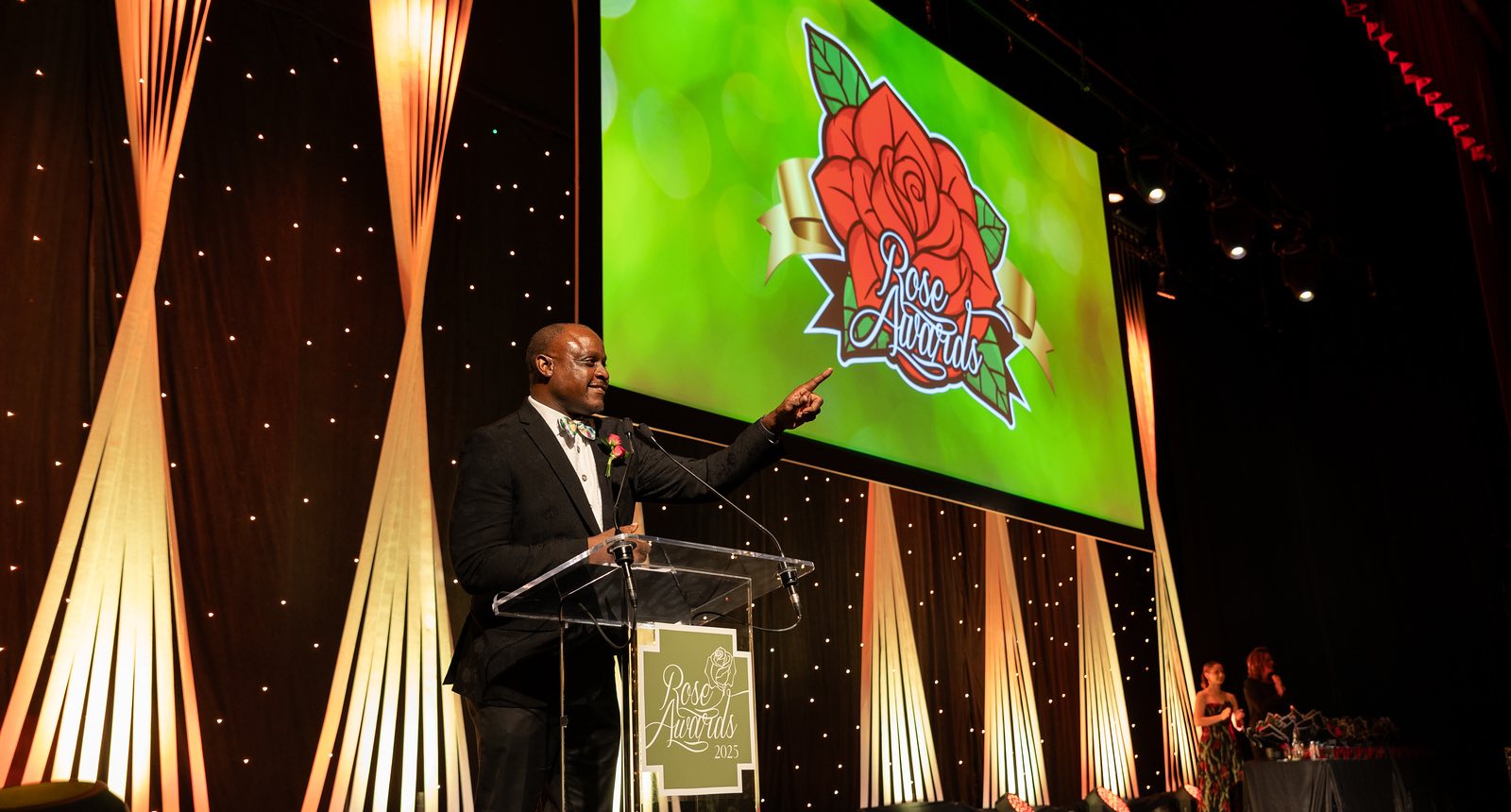

In 2024, it was brought to the attention of Jason E. Dunn Sr., CEO of the National Coalition of Black Meeting Professionals (NCBMP) that there was improper conduct being directed toward Black members of MPI. He knew he had to act.
"Due to NCBMP’s relationship with MPI, they asked me to gather information," Dunn says. "A communication to get more insight was sent out to the impacted members who participated within the NCBMP/MPI dual membership program. During the meeting, many chilling concerns were brought to light. We also learned that there were other Black professionals (not dual members) that were being targeted across the U.S. I was asked if I would speak with non-members, and we agreed to meet with specific professionals based off their past engagement with NCBMP."
There was a lot of emotion, pain, befuddlement, embarrassment and fear of retaliation expressed during the meeting, Dunn says, and the decision was made to write a letter outlining the collective concerns and recommendations for addressing the concerns.
"I was tasked with taking this to MPI leadership and stated plainly, ‘There is a letter coming to you from our members that is not reflective of our shared values and could upend our relationship if handled without empathy and fact checking,’" Dunn says. "A series of meetings was arranged with the members of the MPI International Board of Directors and MPI leadership. A review was conducted, and the letter was used as a road map that ultimately led to where we are now."
Among the seven volunteer chapter leaders, all Black women, who came forward, some had initially reported their concerns to MPI Cares—a program that enables members to report unprofessional behavior that is not in accordance with MPI’s Principles of Professionalism. MPI Cares has since been replaced with the HEAR program—read on to learn more.
DeShawn Wynn is one of the members who reached out to MPI Cares. Wynn, who set out to help drive change within her chapter through new methods for raising money and making the chapter more fiscally sound, says she encountered disrespect and a lack of communication concerning matters that pertained to her leadership position. She was called "self-centered" and "angry and combative—a racial trope."
Wynn says her experience with MPI Cares was unsatisfactory because, among other issues, there wasn’t sufficient time for a robust conversation about the concerns.
"When someone says that language being used against them is offensive, take it seriously," she says, emphasizing the importance of going beyond checking boxes to truly listen to concerns and fully review deeper problems.
"I want to make things better for those coming behind me," she says. "I don’t want another Black woman to experience what I had experienced."
Preventing any case from slipping through
Thomas Blasucci, senior director, people & performance for MPI, says that while the firsthand accounts of unprofessional conduct and discriminatory behavior experienced by the chapter leaders were difficult to hear, their courage to speak up shed light on opportunities to more actively foster a safe and inclusive environment for all MPI members.
"When MPI Cares launched in 2018, it served as MPI’s first whistleblower hotline—an anonymous, confidential channel for members, volunteers and employees to report unprofessional behavior, including harassment, threats, discrimination and bullying. Over the years, it proved effective in bringing forward concerns that might have otherwise gone unheard, allowing us to take corrective action and safeguard our community," he says. "However, feedback from chapter leaders revealed important gaps. Upon reviewing the underlying systems and processes of MPI Cares, we identified opportunities to improve the case-management system, enhance data analytics and streamline internal workflows."
While MPI Cares functioned well as a confidential reporting tool, Blasucci says, its limited technical capabilities and lack of transparent status updates often left users feeling uninformed and unsupported throughout the process.
As a result the MPI Cares program has been reimagined and is now called HEAR (Help, Equity, Action, Resolution) and launched in July as "a safe place for hard conversations." It began with the appointment of a dedicated, highly trained third-party HR reviewer to serve as the primary point of contact for anyone submitting a concern.
"This individual works closely with MPI’s People & Performance team to ensure that each report benefits from objective expertise and the appropriate HR or diversity, equity and inclusion (DEI) guidance when needed," Blasucci says. "From the moment a report comes in, our reviewer will acknowledge receipt within 24 hours so the reporter knows their voice has been heard. During that same initial window, the reviewer collaborates with our People & Performance team to conduct a swift, preliminary assessment of severity and urgency—guaranteeing that matters of higher risk or sensitivity are escalated without delay."
Once the inquiry moves forward, a reviewer will reach out to the reporter (when contact information is provided) within three to five business days to gather any additional details and clarify the next steps.
"Throughout this process, every action is recorded in our enhanced, encrypted case-management platform, which features automated reminders and leadership dashboards to prevent any case from slipping through the cracks," Blasucci says. "When the review is complete, the reporter receives a concise summary of findings and outcomes—carefully respecting confidentiality—so they understand how their concern was resolved."
Accountability, performance
To ensure the association remains accountable and continually improves, HEAR now tracks two key performance indicators: "Time to Complete" and "Quality of Experience."
"‘Time to Complete’ measures the interval from case intake to case closure, allowing us to identify and eliminate bottlenecks," Blasucci says. "‘Quality of Experience’ is assessed through a confidential survey sent to each reporter, giving us direct feedback on clarity, responsiveness and fairness. By combining impartial review expertise, rapid acknowledgement and triage, proactive communication, transparent closure and data-driven performance metrics—backed by a robust technology platform—HEAR is now better equipped than ever to resolve legitimate concerns and strengthen trust across our community."
In addition to reimagining the MPI Cares program, MPI has also refreshed its Principles of Professionalism to include clearer language on inclusion, diversity and social responsibility while giving them more prominent positioning online and including them in volunteer and staff annual training. Annual training in DEI, conflict resolution, anti-harassment and anti-human trafficking is now also required of all MPI staff and volunteer leaders, and a new DEI consultant will work closely with MPI’s People & Performance team to drive meaningful and sustainable DEI efforts, fostering an inclusive organizational culture and strengthening both internal and external DEI strategies.
"This group of volunteer leaders courageously stepped forward to share concerns with association leadership about how some of MPI’s business practices, systems and communications were creating barriers to increasing the diversity of our community, and even hostile environments within our volunteer leadership structure," says Paul Van Deventer, MPI president and CEO. "As inclusivity is at the very heart of the events space and will remain core to MPI’s ethos, we are excited to introduce changes that lead to a better, safer, more inclusive global events community."