Let's face it, friends: most events are planned with extroverts in mind. Big rooms. Bright lights. Mingling mayhem. Nonstop small talk with strangers who already seem to know everyone.
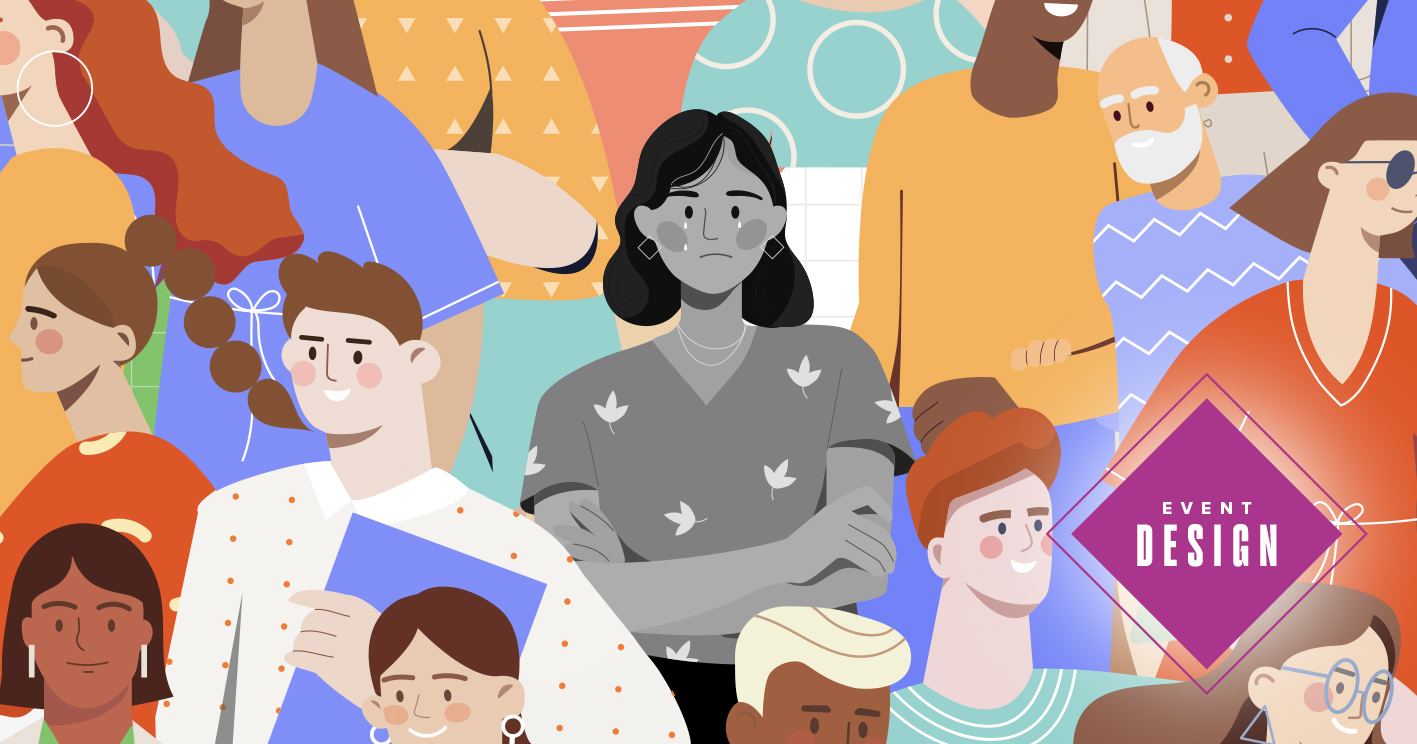
But what about the rest of us? The introverts. The ambiverts. The ones who would rather poke ourselves in the eye with a name badge than make "energetic hallway banter" a core memory.
As meeting professionals, we pride ourselves on designing experiences that engage everyone—it’s not only kind, but also a strategic move, especially for those whose core values include diversity and inclusion for all. So, it’s time we widen the lens and make space for the brilliant, but just a bit quieter, people sitting just off-center in the ballroom.
When we get this right, we create space for better conversations from all participants and unlock the opportunity to hear from those that have brilliant ideas but hold them back to make space for others to go first. These one-on-one connectors are listening and have gold to share!
WAIT, WHAT EXACTLY IS AN INTROVERT AND/OR AN AMBIVERT?
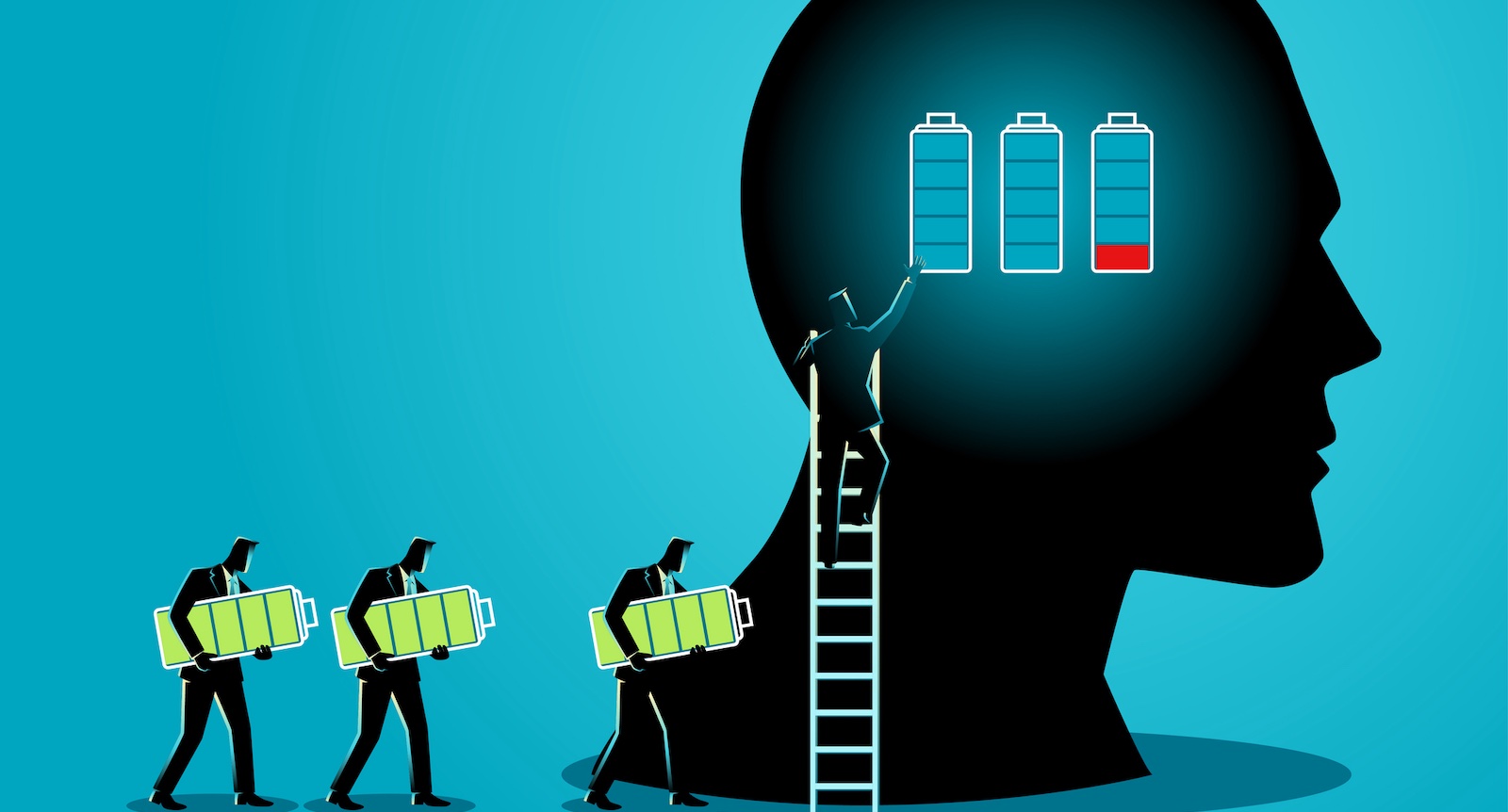
Introverts are those that recharge their batteries by being alone versus around people. They tend to thrive in smaller group environments and prefer quieter rooms and interactions, giving themselves space to think and create.
Ambiverts, on the other hand, are mystical creatures of social energy. Not too hot, not too cold. They enjoy people—until they don’t. They’ll hit up the welcome reception, then sneak off to recharge in their room with an episode of Friends. To be honest, I’m not convinced ambiverts are a real thing, but many eventprofs would confess to being ambiverts—"introverts stuck in a social industry."
And while we love our extroverted attendees (keep dancing, Janet from sales), most humans fall somewhere on the introvert-ambivert spectrum. Which means: If we’re only designing events for the most outgoing 10%, we’re missing the engagement of, well, almost everyone else.
Here are some easy, thoughtful ways to build an event that energizes everyone—not just the loudest voices in the room.
NETWORKING WITHOUT THE HEADACHE.
Let’s retire the giant cocktail free-for-all. Instead, try the following.
- Small group conversations: Curated roundtables or mastermind-style chats with structure.
- One-on-one matchmaking: Use tech tools to pair attendees based on shared goals.
- Asynchronous options: Online forums or app-based networking for the "I’ll reply when I’m ready" crowd.
QUIET SPACES AND PLACES. Give your attendees permission to not be on 24/7. Try the following.
- Recharge lounges: Low light, soft seating and maybe some noise-cancelling headphones.
- Reflection pods: Tiny, private spaces for a breather or a journal session.
- Mindfulness breaks: A little meditation goes a long way.
FLIP THE FORMAT. Not everyone thrives in open-mic Q&A or surprise group activities. Try the following.
- Facilitated think tanks: Smaller, structured discussions.
- Pre-submitted questions: No one has to grab a mic unless they want to.
- Workbooks and prompts: Let people noodle before they share.
USE TECH TO BRIDGE THE GAP. Try formats that include everyone!
- Event apps: Include live Q&A, polling and message boards.
- Session replays: Useful for those who process better on the second watch.
- Hybrid networking: Keep the conversation going online on their terms.
GIVE PEOPLE CONTROL. LET ATTENDEES CHOOSE:
- Badge signals: Green = Chat me up. Yellow = One-on-one’s good. Red = I’m just here for the snacks.
- Opt-in activities: No FOMO if they skip a session to recharge.
- Flexible schedules: Include built-in breaks and reflection time.
WHY THIS STUFF MATTERS.
When introverts and ambiverts feel safe and seen, they show up as their best selves. They listen deeply. They ask thoughtful questions. They forge real connections. They let their guard down and contribute to outcomes that move the needle in their business and industry. All of that creates better events.
This isn’t about separating your audience. It’s about designing with intention so that everyone can engage in a way that honors their energy.
So go ahead and plan the dance party. Just also plan the decompression lounge.
Your attendees will thank you. (Probably quietly. In writing. A week later.)