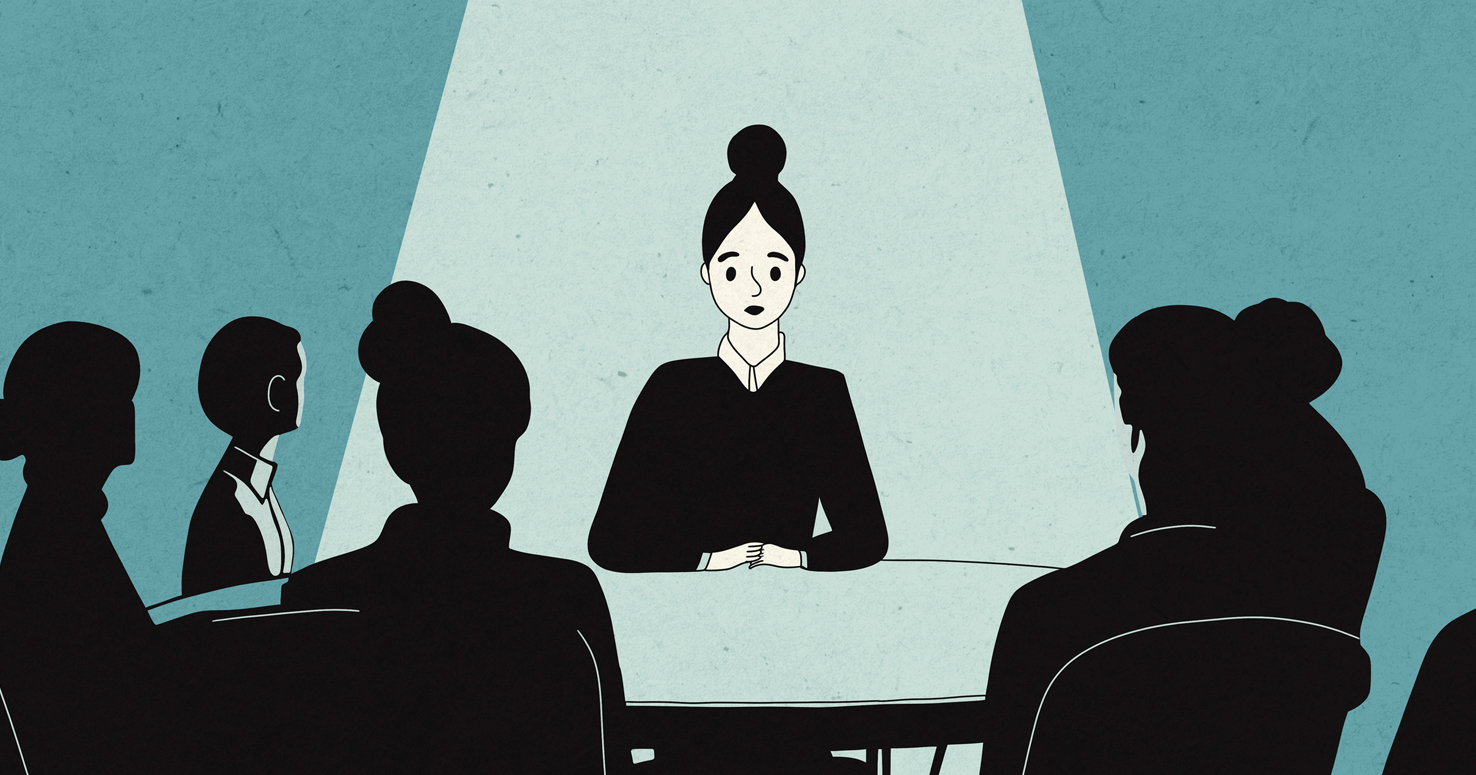

The four sales directors were listening to my pitch. One represented a major retail company. The others represented three of its largest sponsors: a global fast-moving consumer goods company, one of the world’s largest beverage companies and a leading cereal brand.
I had five slides. The first two summarized their brief. The last three contained nothing but questions. I was reaching the end of slide two when Carl, from the beverage company, interrupted me and said, “Eric, we didn’t invite you here to tell us what we already told you.”
Fair point. I smiled and replied, “You’re right. I simply wanted to establish the context for what comes next. Your original brief contained almost no strategic information, and the process didn’t allow us to ask questions. So, I’m going to be very direct: If we don’t get answers to the questions on my next three slides, I don’t believe your incentive program will achieve its objectives. And a significant part of the money you’re about to invest could be wasted. I need those answers before I can design the right program.”
The room changed. We stopped presenting. We started talking. And guess what? We won the business.
More importantly, that experience changed the way I approached client briefs forever.
I created a list of strategic questions that became part of virtually every briefing conversation with clients and prospects. Those questions helped us move beyond logistics and create sales meetings and incentive programs designed around actual business outcomes. (I’m happy to share that list with you. Just reach out to me on LinkedIn.)
Because every face-to-face meeting should serve a purpose. And the quality of its design depends largely on the quality of the questions you ask before you start designing it. Here are three examples.
Connection
A global consulting firm was bringing together two offices for its annual retreat—approximately 350 people.
The company had recruited heavily during the previous year, and many employees barely knew their colleagues in the other office.
The stated objective was simple: build stronger relationships. But putting 350 people in the same hotel does not create relationships.
So, we designed an experience around interaction. We created a collectible book featuring every participant, similar to the sticker albums many of us had as kids for professional athletes.
Everyone received a selection of stickers at the beginning of the retreat—including duplicates. The objective was to complete the book, with major prizes for the first three people who succeeded.
There was only one way to do it: Talk. Trade. Negotiate. Meet people.
Suddenly, networking wasn’t something people were told to do. It became part of the experience.
People who might never have approached one another were exchanging stickers, laughing, negotiating and getting to know each other.
The activity was fun. But fun wasn’t the objective. The objective was connection.
And those new relationships translated into stronger collaboration between the two offices long after the retreat ended.
Collaboration
A major insurance company came to us for an incentive program. Through the briefing process, we uncovered two issues that weren’t obvious in the original request.
First, three generations of employees were working more next to one another than with one another. Second, there was a huge gap in tenure. Some employees had been with the company for 20 years and had seen virtually every incentive activity imaginable. Others had joined two years earlier and were excited by almost anything.
So how do you create an experience that engages both groups while forcing them to collaborate? We took them into a professional recording studio.
We divided the participants into four teams, deliberately mixing generations and levels of tenure. Each team worked with a professional musician to write and produce an original song. Then they had to perform it in front of their colleagues.
It was uncomfortable. It was funny. It required creativity, trust, listening and collaboration. Exactly the behaviors the company wanted to encourage back at work.
The energy and relationships created that afternoon didn’t disappear when everyone boarded the flight home. They carried back into the organization.
Again, the song wasn’t the point. The point was the collaboration required to create it.
Mindset shift
A leader in the medical devices industry was preparing to launch a new product and needed to train its top 100 salespeople quickly. But our conversations uncovered something much bigger.
Because of the performance of this new product, the company had a genuine opportunity to become No. 1 in its market for the first time.
That required more than product training. It required a different mindset—and a different sales conversation.
After an introductory presentation from the executive team, we organized a giant sales “speed-dating” exercise.
Half of the salespeople played members of the medical staff. The other half played themselves and had to sell the new device. Then they rotated. Again. And again.
Each conversation exposed objections, weaknesses, opportunities and better ways to position the product.
We then brought everyone back together and debriefed what they had learned. Within a few hours, the sales team had effectively co-created a new sales playbook based on dozens of real-world conversations.
That playbook was then rolled out across the entire sales organization. Six months later, the company became the market leader.
The lesson
Event design is not about finding a cool venue, an original activity or the latest technology. Those are tools.
The starting point is the business outcome. What needs to be different after people leave the room? Do they need to know something? Believe something? Build relationships with someone? Change a behavior? Sell differently? Collaborate differently? Make a decision?
Most briefs tell you what the client wants to organize. The right questions uncover what the organization actually needs to accomplish. That distinction changes everything.
Before you design the agenda, choose the destination, book the venue, select the technology or invent the experience, you need to understand one thing: What problem are we actually trying to solve? That answer should drive everything that follows.