On a tight budget, the best event investment is not production value, but trust, according to Lutricia Eberly.
“Give experienced practitioners the floor instead of paying for outside expertise,” says Eberly, executive director of the Pennsylvania Outdoor Recreation Association (PORA). “Our roundtable format works because it is not a competitive space, even though every attendee works for a different for-profit operation.”
The outdoor recreation industry tends to believe a rising tide lifts all ships, she says.
“When you create space for open, non-competitive discussion among peers, attendees walk away with more practical value than a polished keynote could offer, and it costs you almost nothing beyond good facilitation,” she says.
We spoke with Eberly about her MPI journey and a serendipitous adventure in Kenya.
Can you tell us about a recent, innovative in-person engagement experience?
One recent example is our Lift Maintenance Seminar, where the “faculty” is really just the attendees themselves. Instead of bringing in outside consultants to lecture, we structure the event around the people already doing this work every day at Pennsylvania resorts. It is a technical topic, lift safety and maintenance, but the format is built around shared experience rather than a one-way presentation. That approach is a big part of why attendance keeps climbing each year.
How did you get started in the meeting and event industry?
I got my start after grad school as a part-time employee at a local ski resort (I started there simply for the free ski benefits), taking on more responsibility until I was named director of sales and events, with responsibility for creating the resort’s social media presence, planning their live music (as a result of resort’s new liquor license) and our first outbound sales efforts there.
An executive coach said, “You should meet this person...” We know the rest of that story. “This person” was involved in the local MPI chapter. Soon after, I volunteered to serve on the board as the chapter’s director of communications. I took it on partly because I learn best when I am applying a skill in more than one place at once and it let me sharpen the same social media skills I was using at the resort.
Can you tell us a little bit about your MPI journey?
MPI has meant continued leadership opportunity in nearly every chapter of my career. As director of sales at a ski resort, being in a professional association with the very people I hoped would book their events there was invaluable, not because it gave me a sales pitch, but because it let me quietly learn what their needs and opportunities actually were.
That understanding helped me position our product honestly as a nontraditional venue that could offer the right level of service alongside what planners expected from a traditional hotel without pretending to be something we were not. MPI taught me that building trust is not about being the loudest voice in the room or pushing your product. It is about being clear on what you are and are not and slowly building relationships people can rely on. World Education Congress and MPI chapter leadership trainings and simply being in the room with people making events happen have been the greatest driver of my professional growth.
When I left the ski resort for a nonprofit role that made chapter involvement harder, I kept paying my own membership dues even though I could no longer serve on the board. As soon as I moved into association executive work, I volunteered for the board again (and applied for the Chapter & Member Advisory Council, CMAC), because MPI is the organization I most wanted to give back to.
Tell us about a highlight or particularly memorable moment from your career.
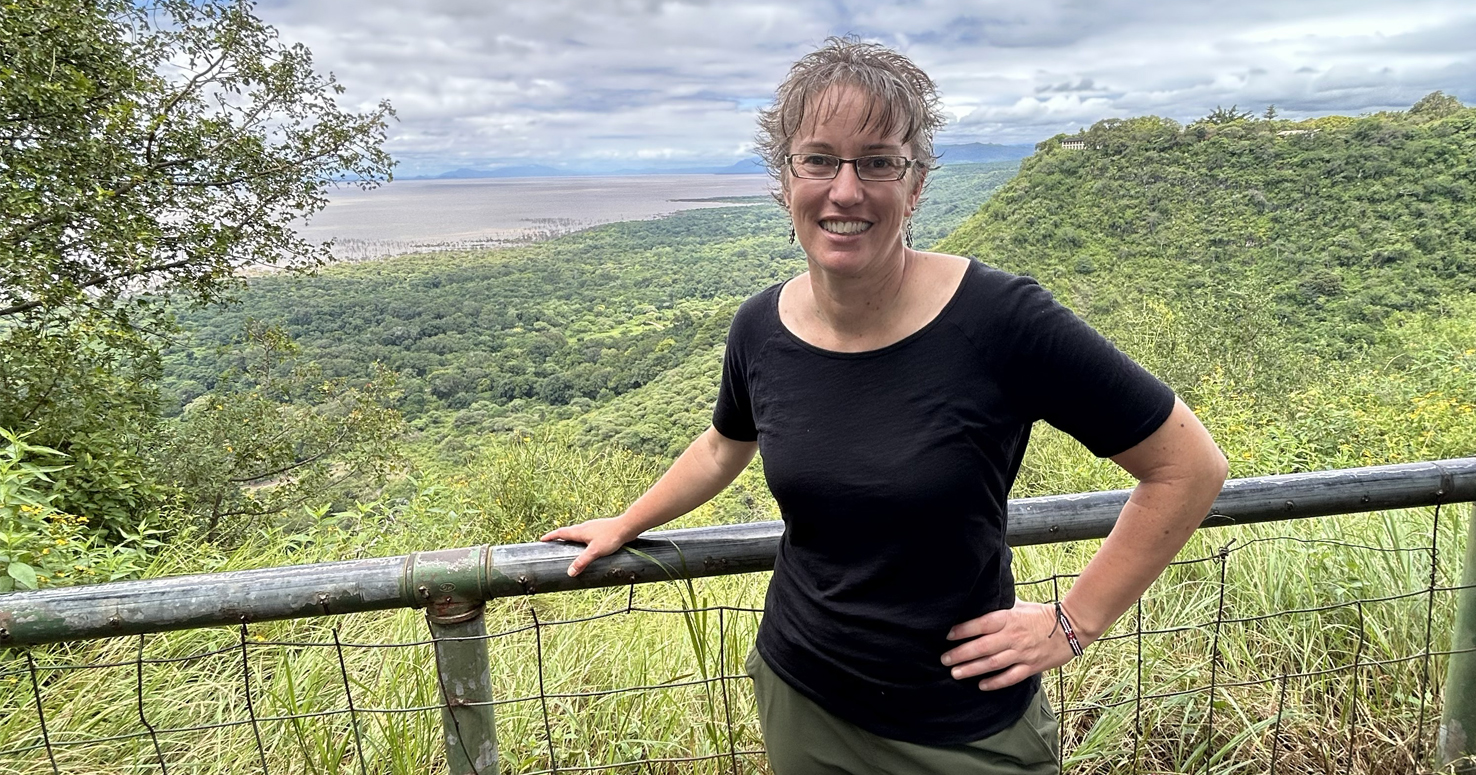
A career highlight traces directly back to MPI. During a milestone birthday safari in Kenya, I met the person who is now my business partner in Complete Safaris. He had filed the business name 12 years earlier and was simply waiting for the right partner. Prior to my next trip back to Kenya, I went straight to the MPI member database to see who in the industry was there. One person responded, and at the time she worked for the international convention center. My business partner and I met her in person on my following trip. I had reached out simply to make an MPI friend in the new country where I was now trying to build a business.
It remains one of the clearest examples I have of what the MPI member database is for: connecting with someone in the same industry. Complete Safaris went on to run two short excursions for her team at the convention center. She no longer works for the convention center but remains a good friend. I now run Complete Safaris alongside my association executive role, and I still count my local chapter and my MPI international volunteer involvement—including as a current member of the CMAC—among the most critical parts of my professional growth.
What do you love most about the meeting and event industry?
What I love most is that it rewards patience. This industry is not about being the loudest person in the room or the fastest to close. It is built on quietly understanding what people actually need and being honest about what you can and cannot offer them. That approach has carried me from a ski resort sales office to now leading a statewide trade association and to co-founding a safari business on another continent. It works the same way every time: build trust slowly, be clear about who you are and the relationships that matter will follow.