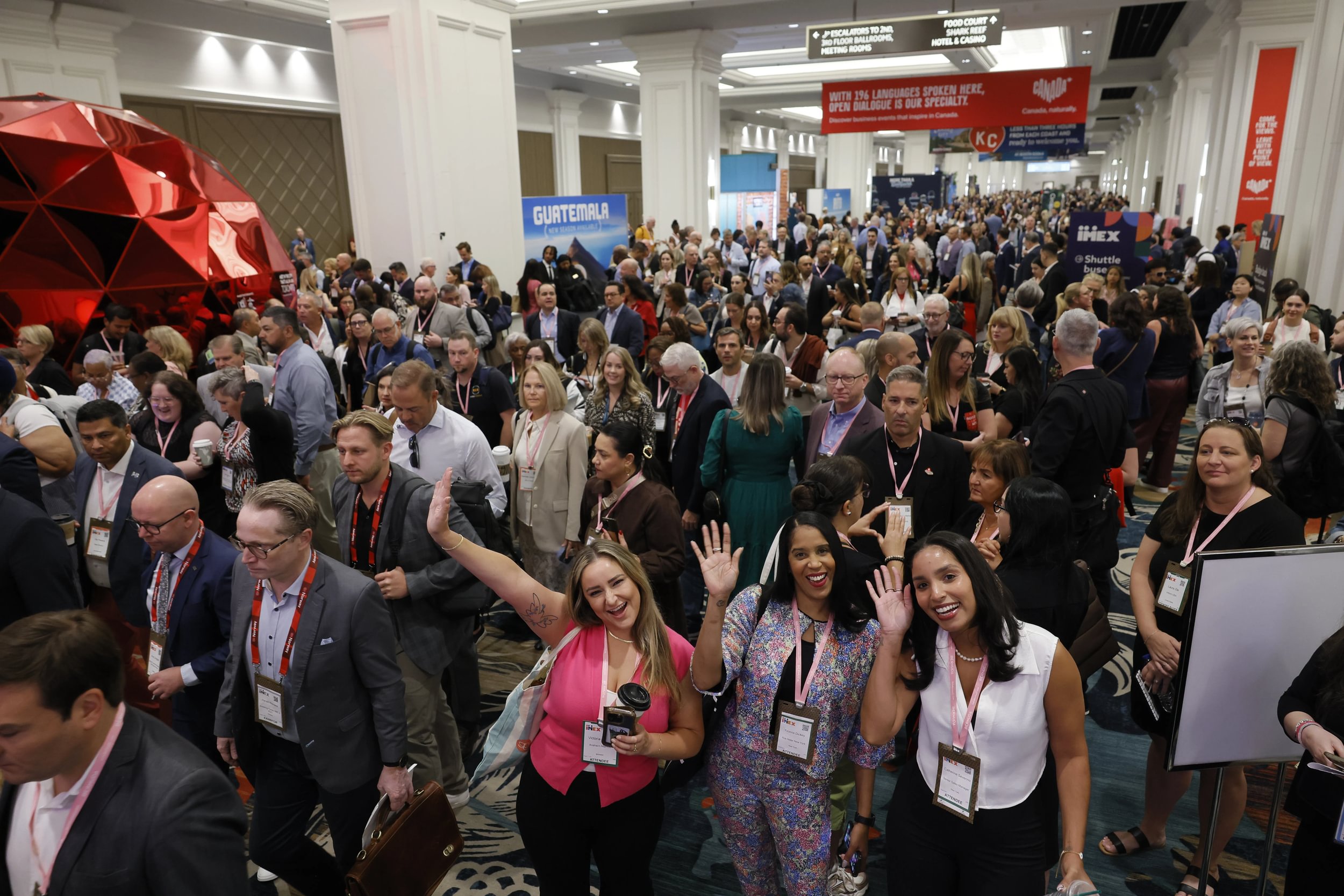
One of the most significant trends in event design is moving away from designing around content and logistics and towards designing around human needs, according to Carina Bauer, CEO of IMEX, a strategic partner of MPI.
“Given how many events we also attend ourselves all year round, it’s easy to put ourselves in the shoes of our attendees and design from our own human needs upwards,” she says.
Last year, IMEX partnered with the American Psychological Association and Australian Psychological Society to launch a standardized framework for neuroinclusive event design, according to Bauer, supporting the event sector’s shift towards a human-led approach to event design that prioritizes the needs of every attendee.
“People increasingly expect experiences that feel personalized, inclusive and intuitive,” she says. “Event organizers are paying greater attention to elements such as accessibility, neurodiversity, psychological safety and belonging. Rather than asking, ‘How do we fill a room?’ the question is becoming, ‘How do we help people feel engaged, comfortable and able to participate at their best?’”
Another important question, which Bauer says IMEX learned when working with the Storycraft Lab team a few years ago, is, “Who’s not in the room, and why?”
“Asking this question can open our minds to any unconscious bias, issues of accessibility and more,” she says. “This intentional design trend is showing up in the conversations we’re having within the IMEX community, and we’ve built some of our education programming at IMEX America—including five new design-led tracks—around this.”
Bauer says some of the speakers helping to advance this theme at IMEX America include Yush Sztalkoper, a neuroinclusion strategist and a late-diagnosed ADHD woman; Dr. Matt Zakreski, a clinical psychologist and leading voice on neurodiversity; and Christina Hug, founder of BoardingPass, a collective of experience designers, hospitality professionals and facilitators.
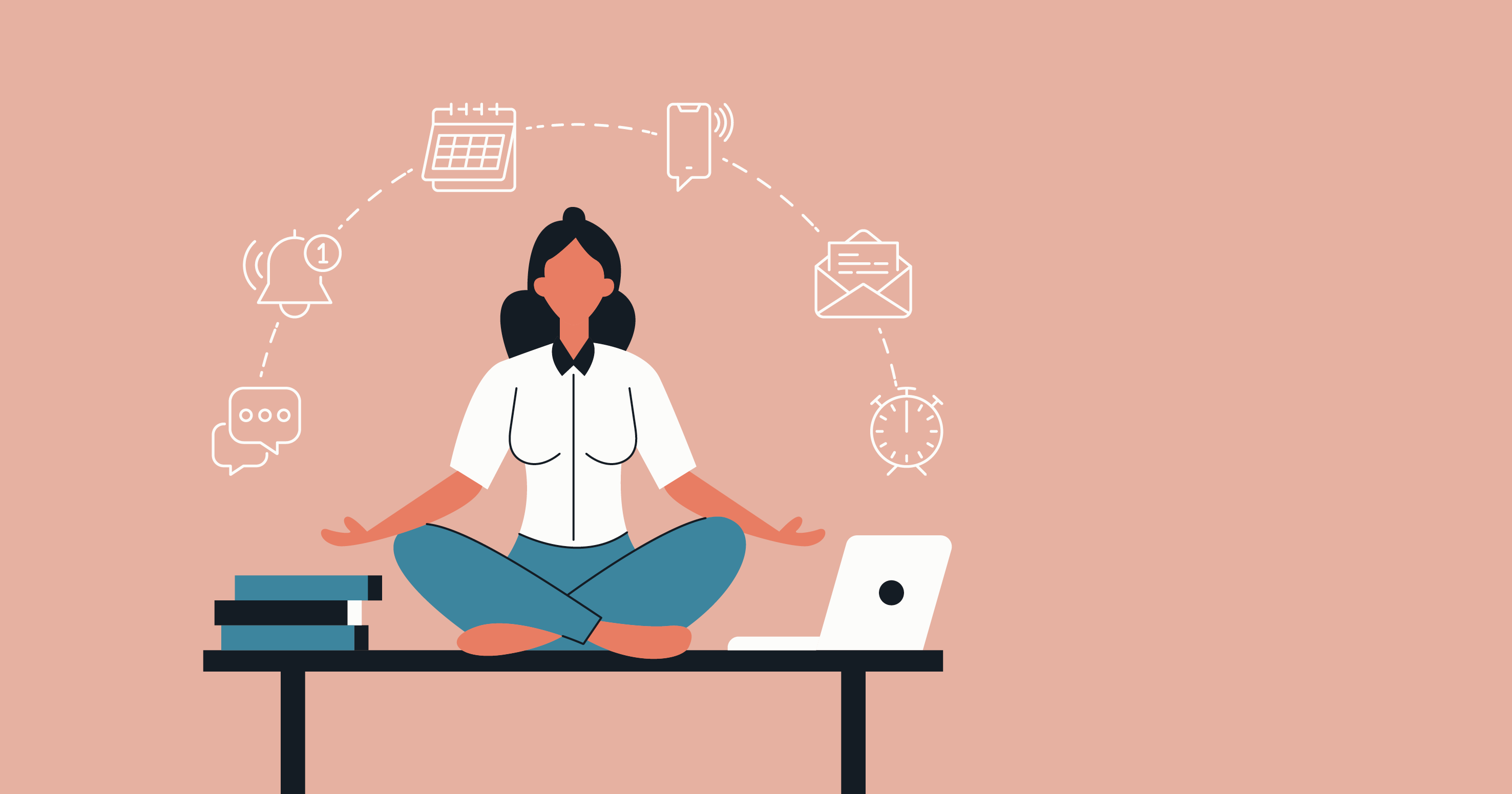
There is also a growing acknowledgement among planners that where “more” used to mean “more value,” more can now feel overwhelming, according to Bauer.
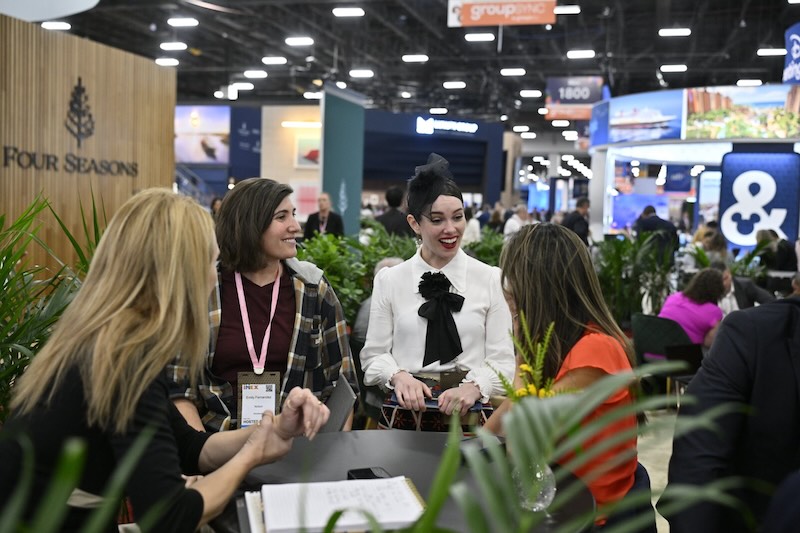
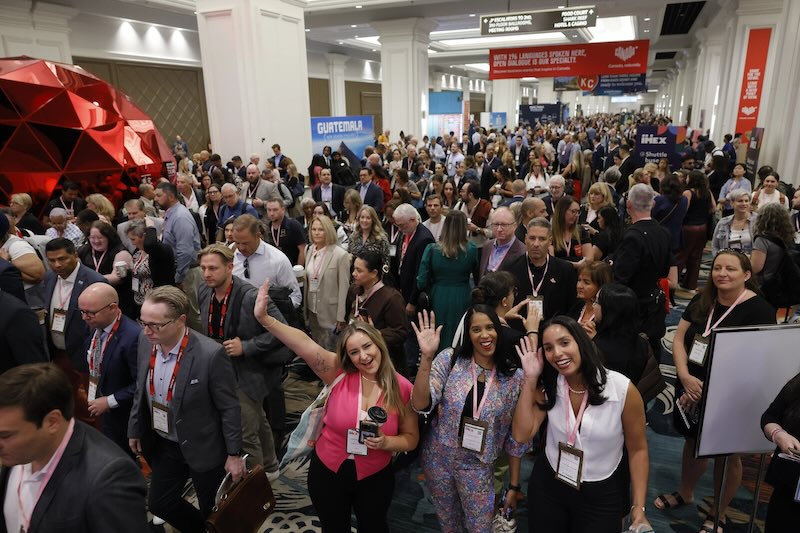
“It means you can still give people a wide choice of experiences or education, but you must also build in downtime,” she says. “Large events can be energizing and inspiring, but they can also be demanding and, at times, overwhelming. We recognize that everyone experiences an event differently, which is why we’ve intentionally designed IMEX to offer flexibility, well-being support and space to recharge throughout the week.”
Designing for action
A community-led hackathon organized by IMEX together with the Brighton & Hove Homelessness Fund was a great recent example of an innovative in-person engagement experience outside of the large-scale conference space, according to Bauer.
“What made it innovative was its focus on designing for action rather than simply awareness,” she says. “The event, held in our home city of Brighton in the south of England, brought together around 60 local businesses, homelessness charities, community leaders and policymakers to tackle a shared societal challenge. Instead of positioning attendees as passive listeners, the experience was structured around collaboration and commitment. Participants were encouraged to make tangible pledges of time, skills or funding that could directly support local homelessness initiatives.”
Intentional design isn’t only relevant when addressing big challenges, Bauer says, citing a recent celebration of IMEX’s 25th anniversary—a special IMEX Garden Party in the heart of the Sussex countryside for the team along with their friends and families.
“Rather than simply organizing a company celebration, we set out to design an experience that felt personal and welcoming for every guest, regardless of their age, interests or relationship with IMEX,” she says. “We paid attention to both the bigger picture and the small details. There was live music, lawn games and dedicated spaces for children and families.”
Just as importantly, Bauer says, were built-in moments of personalization giving guests their own bottle of gin with a label featuring their name and the message, “You’re the secret ingredient.”
“It was a small gesture, but one that made people feel recognized and appreciated,” she says. “Experiences like these remind us that meaningful event design isn’t always about grand moments. Often, it’s the thoughtful, intentional details that make people feel valued, connected and part of something larger than themselves.”
Centered on participation
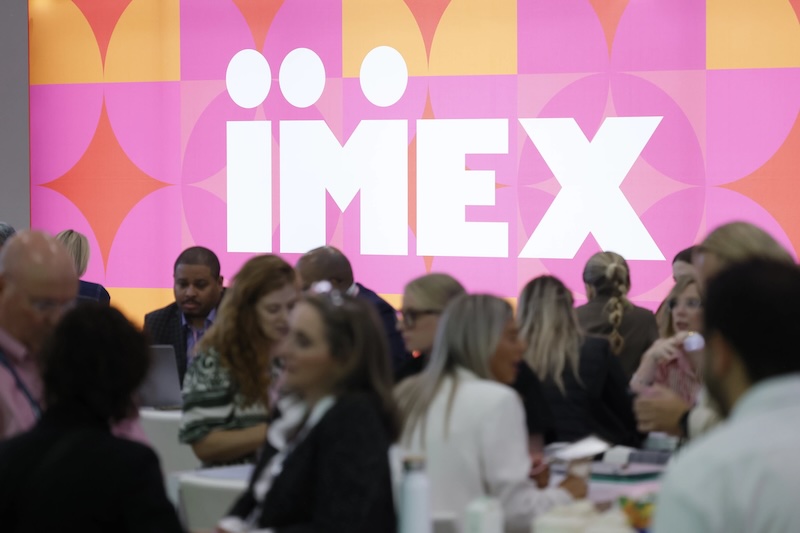
While we’re all surrounded by content every day, Bauer says, what we can’t get from a screen is the energy, spontaneity and visceral connection that comes from being together in person.
“As a result, we’ll see event organizers designing events to support real interaction, helping attendees to actively contribute and shape their own experience,” she says. “Take, for instance, the music artists who’ve asked their fans to leave their phones at the door.”
One of the most interesting examples Bauer seen recently came from the 2026 Cannes Lions International Festival of Creativity.
“Despite AI being one of the dominant themes across the festival, many of the most successful activations focused on creating genuinely human experiences,” she says. “Pinterest’s ‘Less URL. More IRL.’ experience encouraged attendees to put down their phones and participate in creative, hands-on activities. It reflects a wider shift in event design: The IRL attendee experience is increasingly centered on participation, connection and creating moments people simply can’t have online.”
The real ROI is human connection
Conferences and trade shows have gotten so fast-paced and packed with content that people are burning out by mid-day, according to Tori Chivers, senior vice president of events for MGM Resorts, which owns and operates Mandalay Bay Resort and Casino, home of IMEX America.
“At MGM Resorts, it’s all about the intentional shift toward giving attendees space to pause, recharge and connect,” she says. “Attendees really appreciate when you build in quiet, comfortable spaces where they can step away from the noise of the main floor and have a genuine conversation.”
Chivers is also seeing a lot of success tying in purpose-driven give-back activities such as assembling care kits or team-building projects.
“It breaks up the monotony of sitting in meeting rooms, gives people a shared purpose and lets them connect on a human level while doing something good for the community,” she says.
The MGM IMEX Lounge was intentionally set it up off the busy show floor with a calming, comfortable vibe designed specifically for people to reset and talk, Chivers says, and MGM took a similar approach with the Lily 2.0 experience at Virtuoso, creating an intimate lounge setting for daytime networking and evening drinks.
“When you give people a comfortable, well-designed sanctuary away from the hustle, it completely changes the dynamic,” she says. “It encourages authentic relationship-building and gives attendees the breathing room they need to stay energized throughout the entire event.”
MGM is moving away from the packed-agenda mindset, according to Chivers, because audience are now much more selective now and information sharing alone isn't enough to justify their travel.
“The real ROI is human connection,” she says. “Agendas are getting leaner and more dynamic. Think shorter TED-style talks, fireside chats and interactive panels instead of marathon PowerPoint keynotes. More importantly, organizers are building in real whitespace: time to digest ideas, chat over a good meal or experience the local destination. When you design an event that respects an attendee’s energy and gives them room to reflect and build relationships, they don’t leave exhausted—they leave inspired and genuinely glad they came.”
IMEX America takes place Oct. 13-15, 2026. Learn more and register.