Every few months, another headline declares that artificial intelligence (AI) is coming for creative jobs. Event design usually gets mentioned somewhere in that list.
Yes, AI can generate floor plans, mood boards, agendas and even a first pass at a creative concept in seconds. I’ve watched it happen. It’s genuinely impressive. But none of that is event design. Not really.
Designing an experience that moves people has never been about producing assets. It’s about understanding humans well enough to know what will actually reach them. That’s the part AI can’t do, and it’s exactly why the best event designers are about to become more valuable, not less.
AI can generate possibilities. Event designers create meaning.
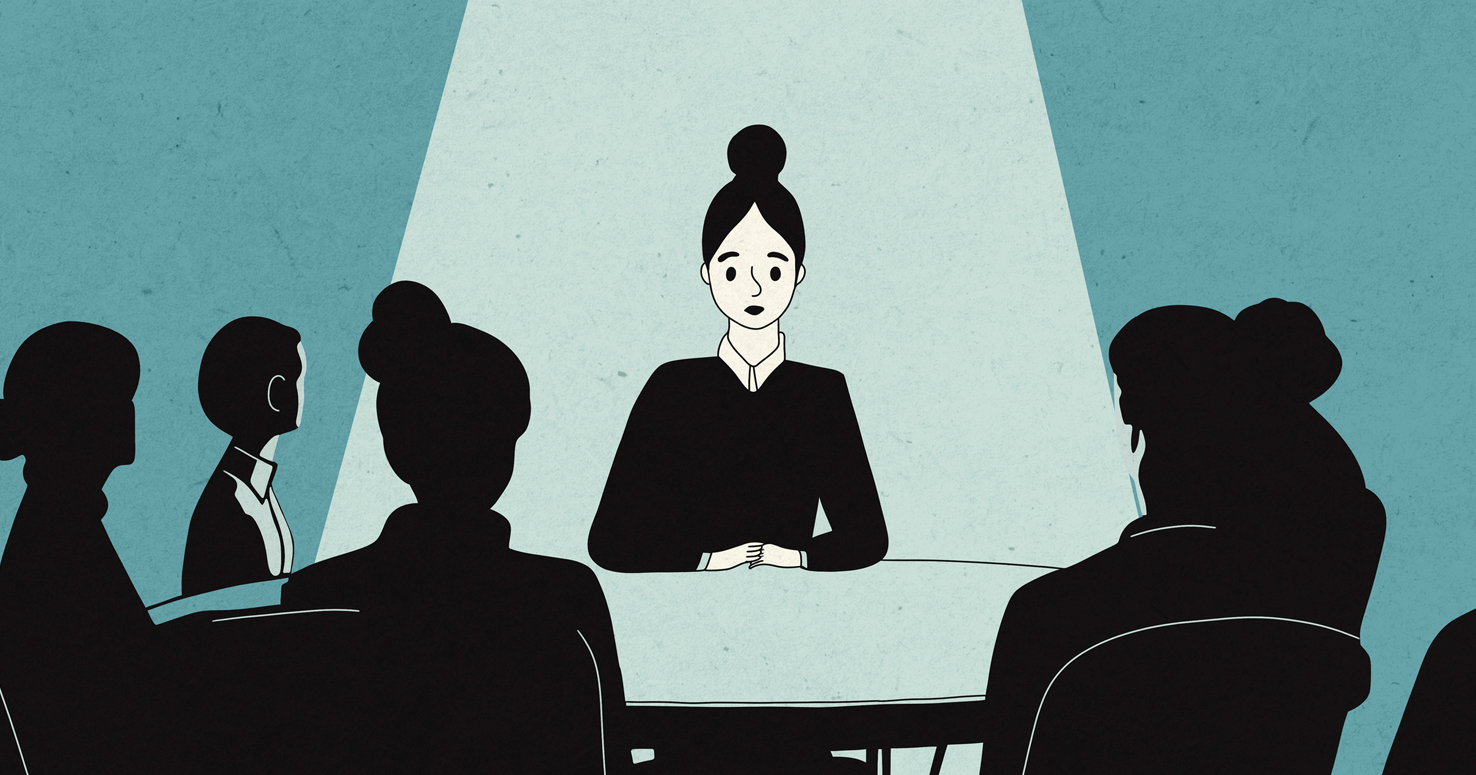
Nobody remembers an event because of the color palette or the stage backdrop. They remember how it felt to be in the room. A great designer understands the emotional arc of an attendee’s day, the purpose behind every interaction, how a physical space quietly shapes behavior and which moments will actually stick.
Those aren’t prompts you can write your way into. They’re judgment calls built on empathy, observation and years of watching what works with real people in real rooms.
The design skills that become invaluable.
The event designers who thrive over the next few years won’t be the ones racing AI on speed. They’ll be the ones doubling down on what technology still can’t replicate.
Empathy is the first one. The question was never, “Does this look good?” It’s “How should someone feel when they walk in here?” That’s a human question with a human answer.
Strategic thinking is the second. Great design solves a business problem before it solves an aesthetic one. It communicates a brand, shapes behavior and drives an outcome someone in a boardroom cares about.
Creative judgment is the third. AI will hand you a dozen options but someone still must decide which one is right and, more importantly, why. That decision doesn’t automate.
Collaboration matters just as much. Every event runs through a web of clients, vendors, speakers and stakeholders, each with their own priorities. Reading a room, building consensus and adjusting in real time isn’t something you can hand off to a tool.
And then there’s adaptability. No event goes exactly as planned. Weather shifts, a speaker cancels, a budget gets cut two weeks out. The ability to make a confident creative call in the moment, under pressure is one of the most valuable things a designer brings to the table—and it’s the hardest thing to outsource to technology.
Use AI as a partner, not a threat.
The designers who come out ahead won’t avoid AI. They’ll learn to direct it.
Let AI take the repetitive work: first-draft mood boards, space visualizations, rough copy, research legwork. That’s time given back, and time has always been the real constraint in this industry. More time to think. More time with clients. More time actually solving the problem instead of assembling the deck that describes it.
I’d push back on anyone who treats that as a small win. Every hour you get back from a tool is an hour you can spend on the thing that actually differentiates your work: sitting with a client long enough to understand what they’re really trying to accomplish, walking a venue in person instead of trusting a rendering or simply thinking through a concept one more time before you commit to it. The designers who use that reclaimed time well will pull further ahead of the ones who just fill it with more output.
One of the freelance designers in our network recently told me someone had jokingly asked her, “A creative who uses AI—isn’t that sacrilegious?”
Her perspective was the opposite. She uses AI to research, troubleshoot unfamiliar software, build technical skills and accelerate parts of her process that don’t require creative judgment. As she put it, “It doesn’t make me less of a designer. It gives me more time to actually design.”
What this means for your career.
In our own research on AI adoption across the business events workforce, the pattern holds. The skills the industry says will matter most looking ahead—creativity, adaptability, strategic thinking—aren’t the ones you can pick up from a certification. They’re built through reps: the projects you volunteer for, the client conversations you sit in on, the moments you’re forced to improvise.
If you’re an event designer wondering where you fit in an AI-enabled industry, the answer isn’t to compete with the tool. It’s to get sharper at exactly the things it can’t do.
The future of event design was never going to be human versus AI. It’s human with AI, and the humans who keep investing in curiosity, empathy and judgment aren’t just going to stay relevant—they’re going to become the people everyone else is trying to hire.
I’d love to hear how you’re seeing this play out on your own team. What’s the skill you’re doubling down on right now?
AI for the real world
Through the MPI Academy’s AI Enhanced Event Professional certificate, participants learn where AI fits into the event lifecycle and how to use today’s tools responsibly and strategically. Learn more.