
Are your events essentially marathon sessions packed with presentations, happy hours and structured time from 7 a.m. to 10 p.m.? If so, you’re not capitalizing on how people connect and retain information, according to Ashley Bohnenkamp.
“Cognitive science tells us that attention and memory don’t work that way,” says Bohnenkamp, senior manager, event solutions for ITA Group. “One of the most important shifts we’re seeing is a move away from content-heavy agendas and toward experiences designed around how people actually learn. The most effective event designs today incorporate participatory learning, peer interaction, reflection and moments of emotional connection that create what we call ‘goosebump moments’ that attendees remember long after the event ends.”
Rather than asking, “What do we want to tell attendees?” planners are increasingly asking, “What do we want attendees to think, feel or do differently after this experience?” according to Bohnenkamp.
“That shift is leading to more interactive formats, intentional white space and experiences that feel more human and meaningful,” she says. “When attendees become participants rather than spectators, engagement increases and the impact of the event extends far beyond the closing session. These principles were a key focus of our recent work on neuroplasticity and event design, which explores how experience design can support learning, behavior change and long-term event value.”
Colleen Connor, CMP, CMM, senior director of events for MPI, agrees that experience-first, attendee-centered design is one of the most influential trends impacting events right now.
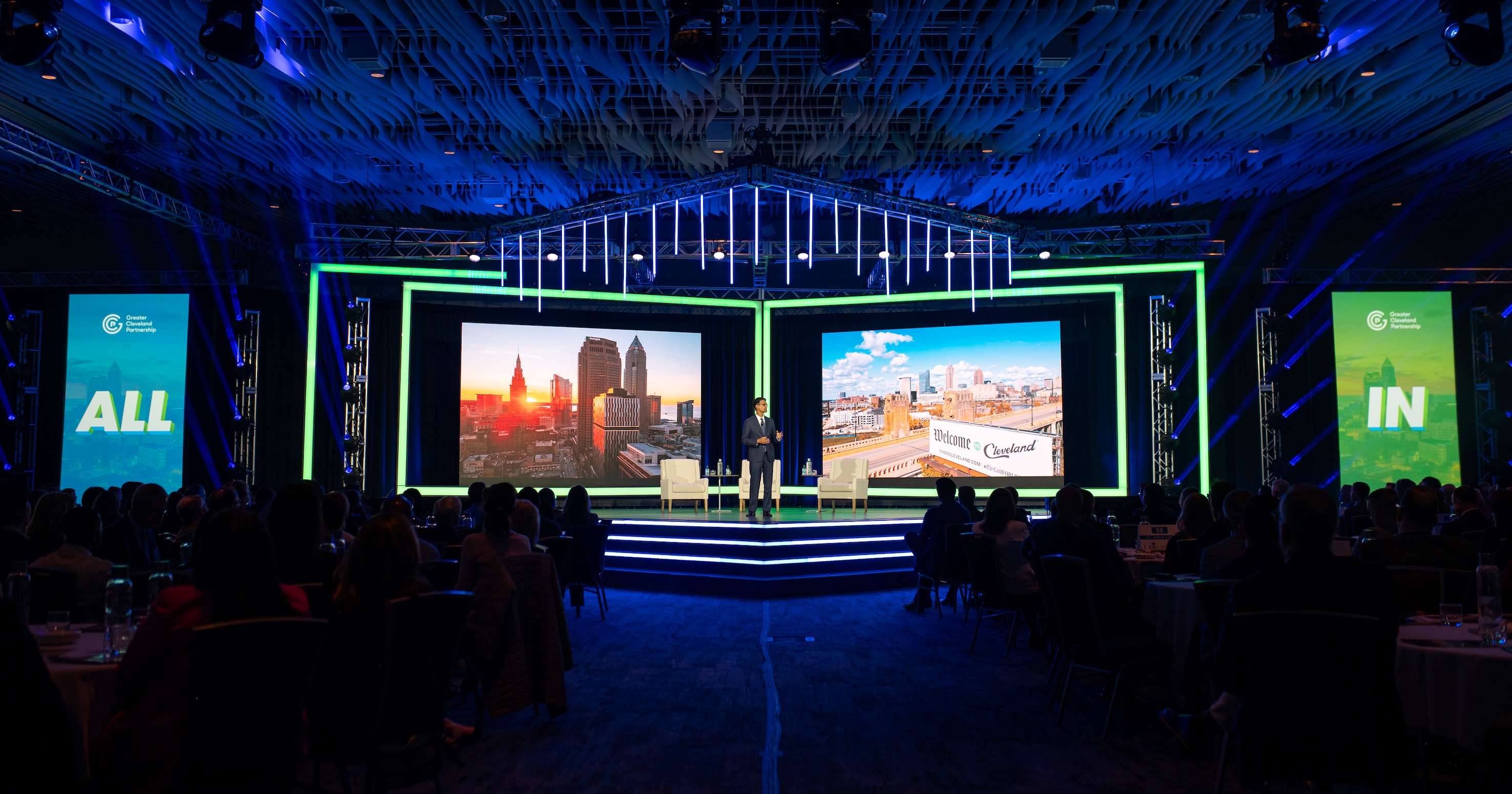
“Rather than focusing primarily on main stage production or full agendas, organizers are designing events around how attendees feel, interact and engage throughout the entire journey,” she says. “Ways to implement this include AI-powered recommendations for personalized agendas, nontraditional venues or meeting spaces with lounge furniture vs. theater/rounds set-up and integrating wellness like quiet rooms and mindfulness sessions.”
The most successful events are those that create an emotional journey, according to Jennifer Pitt, CMP, from the arrival experience to networking moments to the closing session.
“This might include thoughtful room layouts that encourage connection, immersive lighting, sound and even scent (I’m still trying to convince someone to do scratch-and-sniff name badges),” says Pitt (MPI Toronto Chapter), senior event planner for TD Wealth. “When attendees feel connected, energized or inspired, they are more likely to remain engaged and retain key messages. This approach aligns closely with event storytelling principles that emphasize creating memorable, emotionally resonant experiences.”
Reducing costs, protecting value
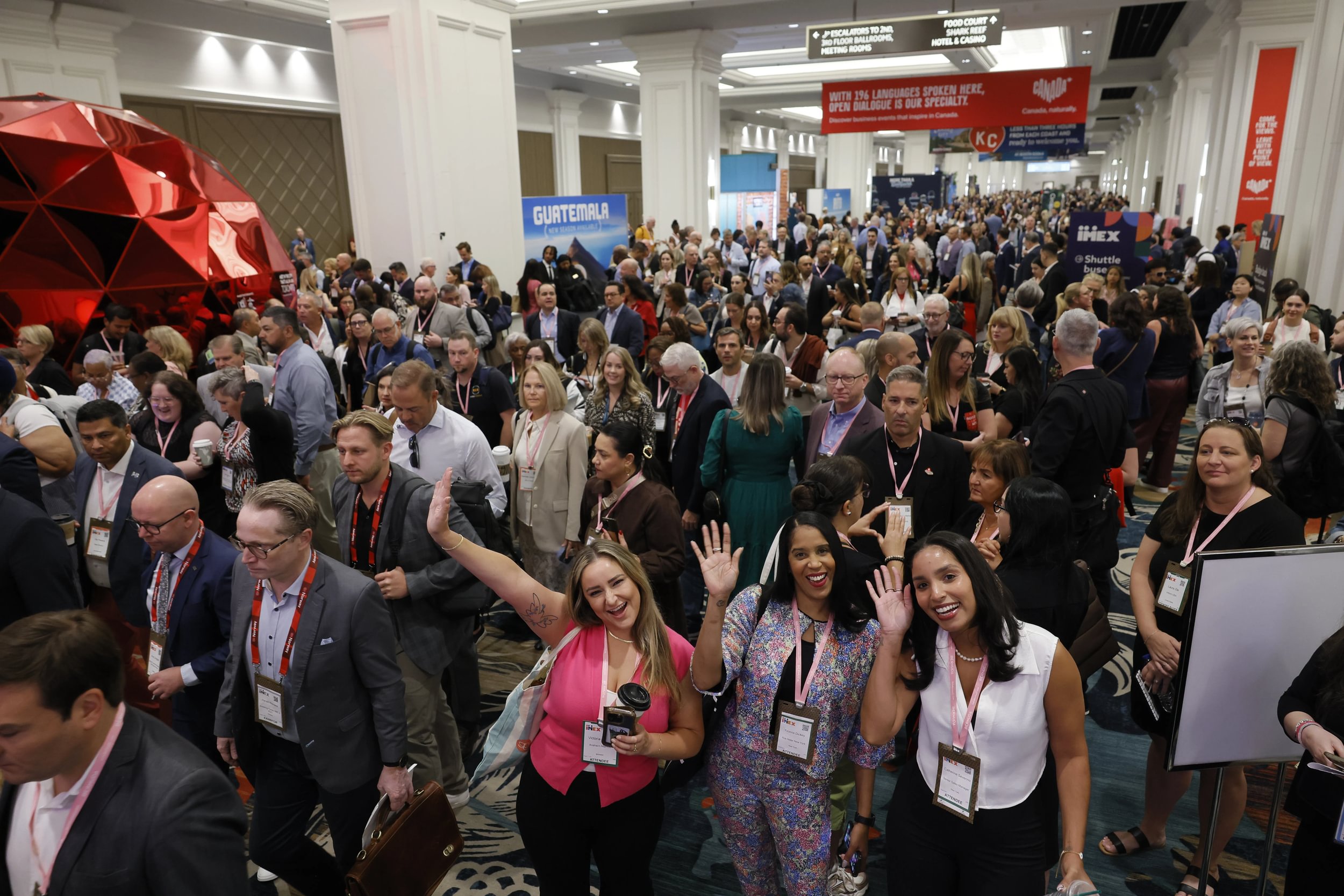
Creating opportunities for attendee engagement is key for event pros trying to execute effective event designs when budgets are tight, according to Connor, who notes that attendees are more likely to remember the conversations they had, the ideas they contributed and the connections they made more than high-value visual/production elements.
“Don’t get me wrong, these are some of my favorite parts of an event, but on a tight budget, this is the area to evaluate,” she says. “Creating intentional spaces with comfortable seating arranged to encourage discussion, clear signage and thoughtfully planned networking spaces can have a greater impact on overall attendee satisfaction.”
Pitt agrees that inviting networking areas, comfortable seating clusters, conversation starters and intentional transition spaces between sessions can have a significant impact on attendee engagement.
“The most valuable conversations happen during coffee breaks, in the hallways and in the moments between sessions,” she says. “If you can design spaces that encourage people to connect naturally, you’ll often create a more memorable experience than you would by investing those dollars in more elaborate production elements.”
Asking attendees to raise their hands in response to a question, turn to a neighbor for a discussion, stand up and react to a prompt or share an experience with the people around them are effective engagement techniques that cost nothing, according to Bohnenkamp.
“These simple moments instantly shift attendees from passive listeners to active participants,” she says. “We often assume engagement requires elaborate activations or expensive technology, when in reality the most powerful tool is simply getting humans to interact with other humans. Creating opportunities and spaces for connection, conversation and shared experiences can dramatically increase energy and participation without increasing the budget.”
Navigating pressure with intention: Leading in today’s event environment requires more than technical expertise. It calls for awareness, adaptability and the ability to navigate pressure with intention. MPI’s Event Leadership Strategist: Conscious Leadership for Today’s Event Professional certificate program focuses on developing a more intentional approach to leadership in the event industry, emphasizing self-awareness, emotional intelligence and the ability to respond thoughtfully in high-pressure situations. Learn more about this course and the wide variety of MPI Academy learning and engagement opportunities.
Working on an event with less than four months of planning time has required Angela Yeung, CMP, DES, to be intentional about where she creates impact.
“A tight budget doesn’t mean compromising the attendee experience—it means identifying the moments guests will notice, interact with and remember most,” says Yeung (MPI Toronto Chapter), founder, event strategist and creative producer for BzMix Solutions, noting that the compressed timeline has made sponsorship particularly challenging. “Many of the potential sponsors come from the financial and real estate sectors, where sponsorship decisions can require longer lead times, multiple levels of approval and internal processes that simply don’t align with a short planning window. So rather than depending on sponsorship dollars to create the experience, I’ve had to look at the event differently. I’ve leaned into strategic partnerships within my event industry network, finding ways to reduce costs while still protecting the quality and creativity of the guest experience.”
From a design perspective, Yeung is concentrating available budget on high-impact moments “rather than trying to transform every surface.”
“Instead of applying vinyl graphics to every terrace stair riser, we can select just two or three key areas as intentional focal points,” she says. “I’m also looking at how the venue’s existing furniture can be rearranged and repurposed to maximize the overall design without bringing in unnecessary rentals.”
As an example, Yeung points to the Carnival Dessert Station, something that is already part of her event but is being treated as something beyond food service—a visually engaging and interactive activation that becomes part of the attendee experience without adding a separate entertainment cost.
“My interior design background helps tremendously in situations like this because I can visualize the entire environment before deciding where the money should go,” she says. “I think about sightlines, focal points, traffic flow and how attendees will experience the space as a whole.”
For Yeung, designing on a tight budget is about knowing what to keep, what to simplify, what to repurpose and where one creative decision can do the work of several.
Measurable momentum
As audiences become more selective with their time and attention, event design will continue to shift from content delivery to experience design, according to Connor.
“People can access information almost anywhere today, so the value of attending an event increasingly comes from what they can’t get from a recording or an online article,” she says. “Highlight the value of in-person connections.”
While we’ve spent years focusing on what attendees see, Pitt says the next evolution of event design is focusing on what attendees feel.
“The events that people remember aren’t necessarily the most expensive, they are the ones that create meaningful moments of connection, participation and purpose,” she says.
Bohnenkamp says that as digital noise increases, successful events will be designed less around delivering information and more around creating experiences that capture attention through relevance, participation and emotion.
“I expect to see greater use of event formats rooted in the science of learning, including shorter content sessions, collaborative activities, application exercises and reinforcement strategies that extend beyond the event itself,” she says. “The conversation is shifting from creating memorable moments to creating measurable momentum.”
Instead of judging success solely by attendance or satisfaction scores, planners will increasingly look at what attendees retained, shared, applied and ultimately changed because of the experience, according to Bohnenkamp.
“Event design will continue to evolve toward experiences that intentionally combat the forgetting curve and help attendees turn inspiration into action,” she says.