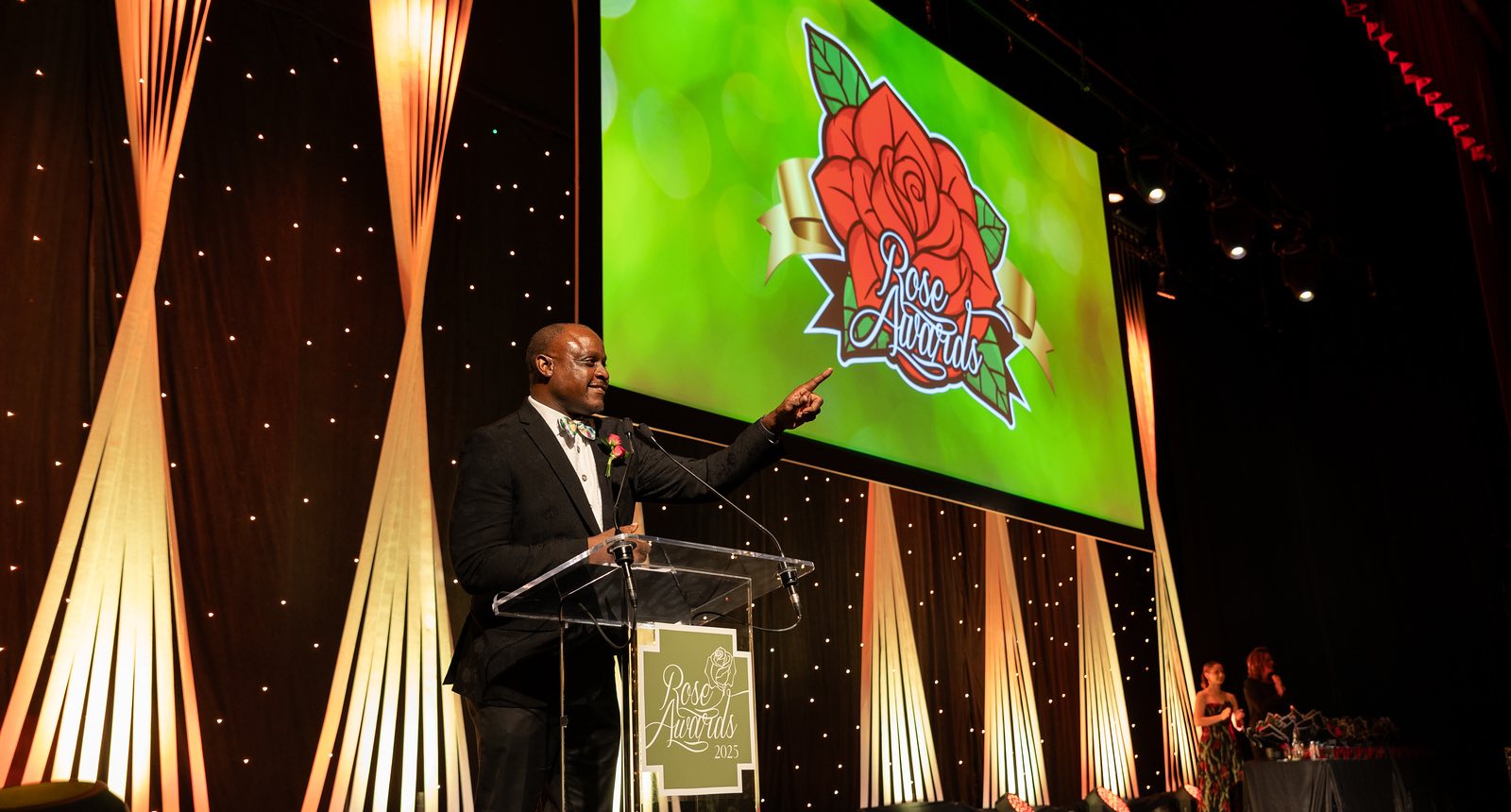

Understanding and managing budgets is important in every aspect of the meeting and event industry, but it is especially critical for independent planners. So, it only made cents (we’re hilarious) to focus our MPI member spotlight for The Money Issue on a veteran independent planner, longtime MPI member and medical meetings specialist. Medical meetings and events can have widely ranging budgets and are known for increasingly tighter restrictions that must be understood and navigated.
"As an independent planner, you may have to reinvent yourself based on the opportunity you are seeking or those that are available to you," says Mozelle Goodwin, CMP, HMCC, owner of Global Rendezvous. "Most of us rely heavily on repeat business and referrals from industry colleagues to maintain steady sources of income. Carefully managing the client’s budget is critical, which helps to earn their trust and confidence, helping to create a successful event from conception to reconciliation. This can, of course, lead to that steady revenue stream we all seek."
We spoke with Goodwin about how she got started in meetings and events (and with MPI in particular), the importance of budget transparency and her top three meeting pro tips for reducing costs.
You got your start in the meeting industry at home. What role did your mother play?
MG: It all started with helping my mother in the kitchen, learning how to make hors d’oeuvres and what is now called a "tablescape." She used to make a centerpiece made of fresh fruits, nuts and hard candy. Fast forward to an on-campus job with the Bowling Green State University (BGSU) catering service. I was a student manager after one semester, scheduling staff and assigning their duties. My best takeaways: Schedule friends to work together and assign yourself as a pie cutter when serving the famous BGSU coconut cream pie!
After graduating, I eventually ended up working as an assistant to a marketing manager handling international meetings at Sterling International, and then decided to get some hotel experience—finally landing my first full-time program manager job with a small third-party medical communications agency. I was there for 13 years and finished as the senior director, client services and logistics.
You initially joined MPI so you could sit for the CMP exam and earn that designation. But you soon found yourself more involved well beyond your initial expectations.
MG: Yes, a hotel sales representative invited me to a local chapter program and kept after me to attend. Soon someone contacted me to join a committee, so I started out on the Membership Committee, contacting members via phone calls and email. This was a great opportunity to meet chapter members and start building a network. Next thing I know, the director of membership retention was not able to fulfill her obligation, and I was asked to step in. Me on the board of directors?! I did not see that coming, but it was the best thing that could have happened to me. I held several positions on the board and rolled off for a break. I then returned, taking on other roles, and am now a past president.
You believe transparency during the budget-creation process is key for setting the tone for the planning process and building relationships. Can you give us some examples of effective transparency?
MG: Ensure all costs include tax and any gratuities (if applicable) and surcharges, and potential late fees if deadlines are not met should be brought to the client’s attention. There is no room for assumptions. Even in the discussion of your management fee, the independent planner should come armed with suggestions and solutions to help the client get to that perfect meeting that will go above and beyond their expectation while staying well within their budget.
This includes your costs/fees. Be clear if additional expectations come up that would increase your fee. While you may have to increase your fee, be ready to show how you can make a reduction on another budget line item without compromising the success of the event.
Any cost savings you present will show you have their best interest at the forefront. It’s all about them, not about you! Once the event is under way, it is critical that the client can enjoy and take part, not be stressed out because they don’t know if they will go over budget if they decide to add a last-minute, nice-to-have item.
You believe meeting planners should focus more on understanding the specific aspects that make a program successful in order to reduce costs, instead of asking clients for additional funds. How do you make that happen?
MG: Through my experience as an independent, whether project-based or long-term contracted employee, I have received the same feedback from many: They appreciate me taking the time to fully understand their program objectives and expected outcomes. Equipped with that knowledge, I can then provide options, with detailed pros and cons based on their objectives and expected outcomes.
Some stakeholders may manage a meeting a few times a year or once every year or two. This is not their "wheelhouse," thus the planner is there for guidance and assistance to ensure event success. Detailing how they can best spend their dollars based on the expected outcomes, nice-tohaves, company policies and compliance guidelines has always resulted in a positive experience for all who are part of the decision-making process.
Can you share your top three tips for reducing event costs?
MG: Travel: Consider second-and third-tier cities as well as suburbs/surrounding areas of major city hubs. I have found the service level is higher in these locations, since they know they are not the first choice. Their overhead costs tend to be to lower than the major cities on all fronts mentioned—travel, accommodations and F&B. I’ve had a more pleasant experience in the negotiating process as well.
Food and beverage: Ask what other in-house groups are serving [for] their meals, as "piggybacking" on a menu can help reduce costs due to volume discounts; ask to speak with the chef or director of operations to recommend a menu within your budget, as they are aware of all F&B costs, including the necessary labor involved for preparation; and though not all venues will allow it, ask if you can serve the lunch portion for dinner—this is usually for plated/served meals, not buffets, and you can still save by utilizing the plated/served option vs. buffet regardless.
Global and national sales contacts (hotel, production, print and travel): Assisting with negotiations, volume discounts and unbiased recommendations are just a few of the benefits.