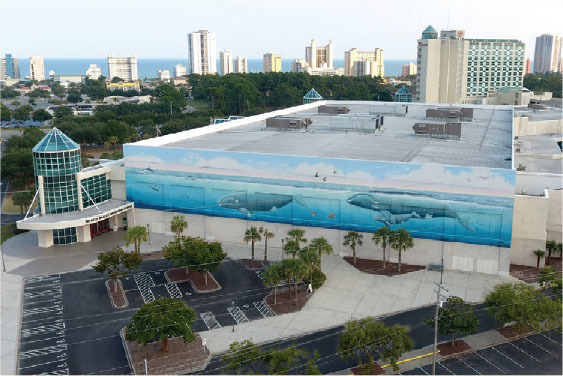
The Myrtle Beach Convention Center (MBCC) strives to be a memorable and welcoming environment for all visitors. So, it only made sense for the MBCC to team up with MPI to sponsor its neurodiverse learning initiatives, which include a certificate program and a white paper.
We spoke with Tiffany Andrews, sales and marketing coordinator for the MBCC, about training initiatives to better serve neurodiverse individuals, creating more options for both planners and visitors and the partnership with MPI.

Neurodiversity is a large umbrella term. What aspects of that spectrum have you focused on with enhanced accessibility projects?
TA: We’ve prioritized sensory processing and social comfort, often impacting neurodiverse individuals attending events of all sizes. Before our staff underwent comprehensive training to recognize and accommodate sensory sensitivities and communication challenges, I chose graphics displayed on our animation wall that did not have vibrant colors flashing multiple times per second, thus decreasing the risk to attendees, exhibitors and guests who experience seizures. This year, we will introduce a quiet space pod. The pod will directly respond to embracing neurodiversity, ensuring individuals have a peaceful retreat when needed.
What’s been the feedback from event planners and groups?
TA: As we introduce the quiet space pod, I am confident that event planners and producers will appreciate our efforts to embrace neurodiversity. This initiative will position MBCC as a pioneer with genuine intent, based on our convention center’s commitment to inclusivity. As a convention facility, our actions should influence their decision to choose MBCC as their next meeting venue and increase attendee numbers because we provide a space of comfort for the neurodivergent community.
Are you working on additional neurodiversity accessibility elements?
TA: In addition to the first quiet space pod in a convention center setting, we have recently improved directional signage, meeting space identifiers, restroom areas, exit signs and more throughout the convention center. We constantly explore ways to enhance accessibility, including a robust wayfinding system. Our commitment to providing additional training for our event staff, meeting planners and show producers on accommodating neurodiverse needs is unwavering.
Can you tell us about your partnership with MPI to enhance neurodiverse learning?
TA: Our partnership with MPI has been pivotal in promoting neurodiverse learning within the hospitality meeting industry. As the proud sponsor of MPI’s neurodiversity initiatives, we’ve focused on raising awareness and offering resources to ensure event planners can create inclusive environments. Together with MPI and Google, we’re setting a new standard with projects like the quiet space pod, explicitly designed for neurodiverse individuals.