
Due to a mutual interest in nurturing local talent, Visit Detroit and MPI partnered to create programs with schools to help students explore careers in events and hospitality.
"This includes developing a toolkit for students, creating a curriculum that high schools can implement and launching a field trip program that gives students a firsthand look at our industry," says Claude Molinari, president and CEO of Visit Detroit. "It’s all about providing that hands-on experience so students can see the real potential for a rewarding career in this field."
We spoke with Molinari about the top causes of meeting industry workforce challenges and the role destination marketing organizations (DMOs) can play in overcoming those challenges.
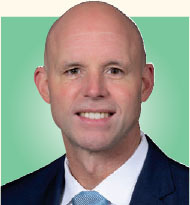
What are the top causes for the workforce challenges in the meeting and event industry?
CM: There are several reasons we’re facing workforce challenges in the meeting and event industry. First, the pandemic really disrupted the labor market—many workers either left the industry or found new opportunities, creating a talent gap. Another big challenge is the skills gap. The industry is evolving, with a greater need for tech-savvy professionals, but many job seekers don’t have the specific skills required for these roles. Additionally, many young professionals aren’t fully aware of the vast opportunities available. It’s crucial that we, as industry professionals, do more to educate people about how this field can offer both financially rewarding and fulfilling career paths.
How do workforce development challenges impact cities and their tourism industry?
CM: Workforce development challenges can have a significant ripple effect on cities. Without enough trained staff in hospitality, transportation and service roles, cities struggle to host large-scale events or meetings at the level attendees expect. When the visitor experience suffers, it impacts a city’s reputation—people are less likely to return or recommend the destination, which directly affects local businesses and the entire tourism sector. Cities rely on tourism for economic growth, and a strong, skilled workforce is essential to sustaining that growth. In Detroit, visitation contributes more than $10 billion annually to Southeast Michigan’s economy. This is a critical driver of the region’s economic vitality, and the only way to maintain this momentum year after year is with a well-trained, talented workforce.
What role can DMOs play in solving workforce development and pipeline challenges?
CM: DMOs are well-positioned to lead the charge in addressing workforce development challenges. We can collaborate with local schools, trade programs and industry groups to build training pipelines that equip job seekers with the skills needed for careers in tourism and hospitality, from event planning and customer service to technology-driven roles. DMOs can also advocate for policies that support job creation and workforce development. We must emphasize raising awareness of how rewarding these careers can be in order to attract fresh talent.
What are the next steps that should be taken?
CM: It’s important to continue building partnerships between DMOs, educational institutions, local governments and industry leaders to broaden access to training. There’s an enormous opportunity to develop certification programs that not only prepare individuals for entry-level roles but also equip them with the skills to grow and advance in their careers. We also need to focus on retention. This involves offering competitive wages, providing more flexible work environments and clearly outlining paths for career advancement. We must also address the digital skills gap. If we can tackle these areas, we’ll be in a strong position to develop a more resilient and skilled workforce.