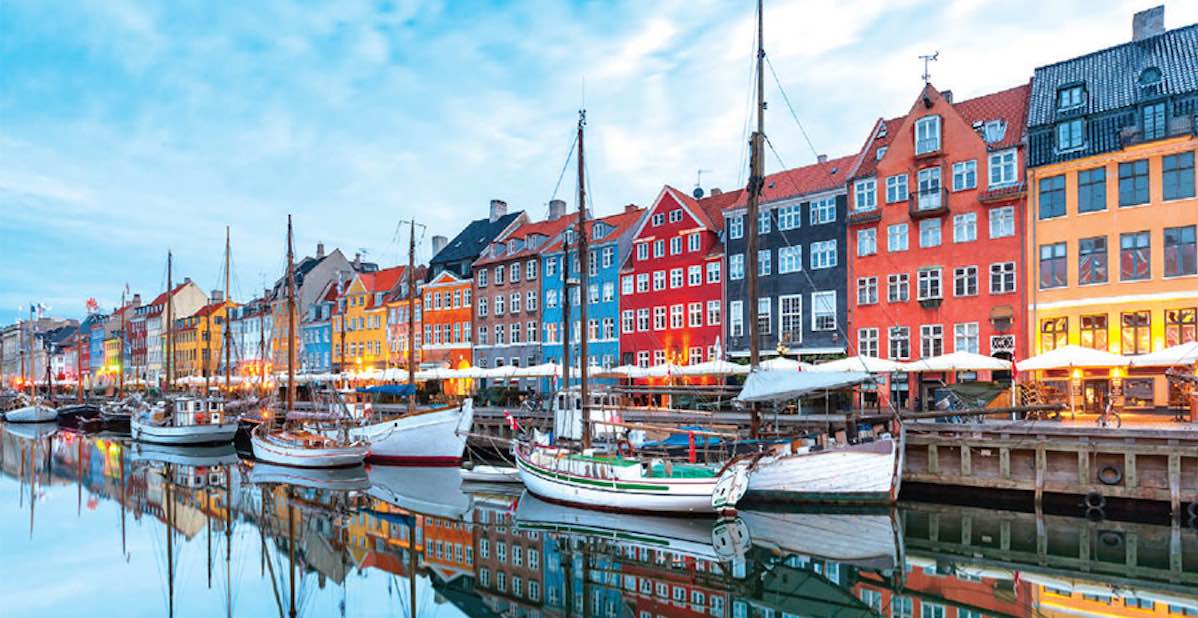
Anne Dalgaard, CMM (EVENTANNE), a Copenhagen-based meeting planner with nearly 25 years of experience in event strategy, portfolio management, experience design and development, says in Europe, all aspects of companies—including events—are preparing to implement ESG (environmental, social and governance) reporting.

"The EU has instated a law that all companies must report according to a set of standards," she says. "This way we all contribute to green transitioning."
Dalgaard, a past president of the MPI Scandinavia Chapter, says that while sustainability in events is nothing new and many European countries are already out in front when it comes to having sustainable events, the ESG reporting is so much more than just "going green."
"On top of things like greenhouse gas emissions and energy efficiency (the E in ESG), we have to look at DEI and employee engagement (the S) as well as cybersecurity and preventing bribery (the G), just to name a few," she says. "This will have a significant impact on the meeting and event industry as we will be asked to monitor things we haven’t monitored before, and it puts pressure on event professionals, just as on any other employees in the company. But it is coming, and we have to deal with it. It is going to be exciting!"
Dalgaard believes the meeting industry is moving in the right direction because more and more companies and organizations understand that events are big business and need to be handled as such.
"When we create a business case with our events and make an impact, we can show how events create a return on investment, which will eventually lead to a seat at the table," she says. "I believe that someday meetings and events will be an everyday term in the C-suite."
Luisa Blanco, bid office manager for AIM Group Italy, one of the major PCOs in the event industry, agrees with Dalgaard that sustainability is one of the key meetings trends right now, along with cybersecurity, artificial intelligence and DEI.
- "We are all conscious that minimizing the negative impacts of the events by adopting sustainable practices across social, economic and environmental issues is really crucial."
- "Cybersecurity breaches represent a huge threat to the event industry due to the amount of sensitive data handled, therefore we should be able to ensure the data security of our clients, attendees and all the stakeholders."
- "Artificial intelligence is here to stay, and we all should embrace its potential in events. It allows us to refine marketing strategies and to create smarter, interactive, immersive and personalized experiences."
- "Regarding DEI, we must strive to ensure that conferences and events are the better and safer places to be, where participants feel free to be themselves, share their opinions and make meaningful connections. This not only enhances the overall event experience but also contributes to a more equitable industry."

Meeting professionals also must not forget the importance of event design and event format, according to Blanco, president-elect of the MPI Italia Chapter.
"In fact, the time of just plenary sessions/breakout sessions/lecturers and speakers and classical entertainment is over!" she says.
And it’s crucial to ensure your attendees and clients feel valued if you want to foster loyalty.
"The events need to be interactive—particularly if the target is young—this will enhance the learning experience, facilitate networking and make the event more enjoyable," Blanco says. "In general, both during the event sessions and networking moments, attendees should be engaged so they’re more likely to return for future events, recommend them to others and provide valuable feedback."