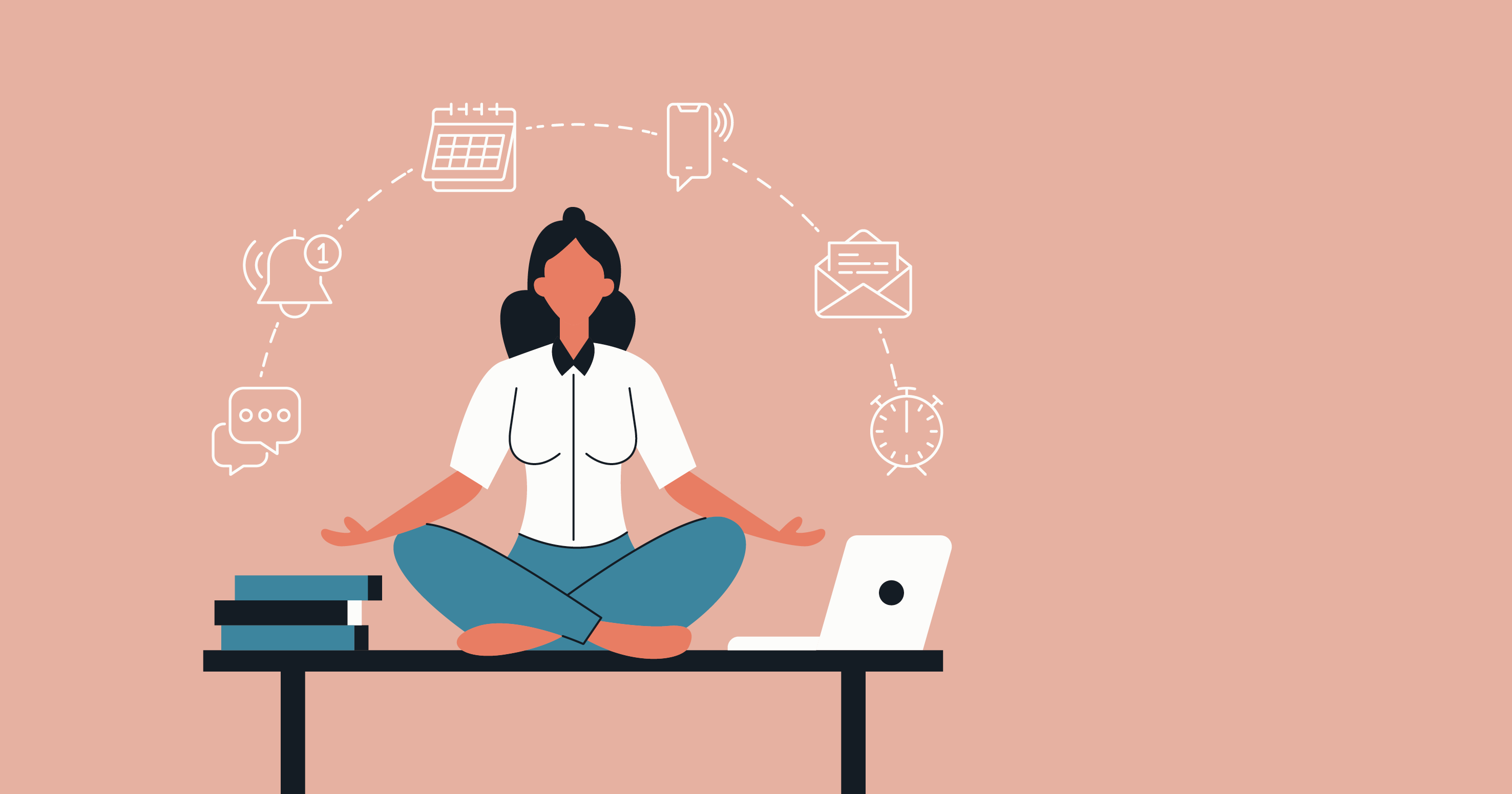
The Global Wellness Institute defines wellness as “the active pursuit of activities, choices and lifestyles that lead to a state of holistic health.” The word that matters most in that definition is pursuit.
Wellness isn’t a destination an organization can hand to its people. It is something individuals actively build through the choices they make—and the choices that are made available to them. That’s where organizations come in. Not to manufacture wellness for their teams, but to build the conditions where people can pursue it.
Stress begins where strengths end
One of the most under-examined contributors to workplace fatigue isn’t volume of work. It’s misalignment between the work and the person doing it. When professionals spend the majority of their time on tasks that drain rather than energize them, fatigue accumulates in ways that no recovery strategy can offset.
A creative event designer buried in data reconciliation. A senior planner spending hours on attendee list management. A logistics expert pulled into executive facilitation far outside their wheelhouse. None of these individuals are failing—they are simply doing work that doesn’t fit.
Organizations that take strengths seriously don’t just see improvements in productivity. They see improvements in energy and retention, because people doing work that suits them are less likely to arrive at the end of a project depleted.
Flexible teams protect people
The event industry is inherently cyclical, and the traditional response to peak demand has always been the same: ask people to absorb more. That model made sense in an era when the workforce was less dynamic and the cost of that approach was less visible. Neither of those things is true today.
Burnout has a measurable impact on retention, quality and organizational performance, and yet many teams are still structured as if the only available response to increased demand is increased individual effort.
Bringing in specialists for complex programs, adding project-based support during peak seasons and scaling back when demand eases protects the core team from carrying more than any group of people should be expected to carry. The healthiest organizations build systems designed to absorb the surge—not people.
Technology creates capacity, not just efficiency
The conversation about AI tends to center on replacement. That framing misses the more important question: What work shouldn’t require a skilled human anymore?
Every hour spent on routine reporting, data entry or administrative follow-up is an hour not spent on work that requires human judgment, creativity and relationships. But the benefit doesn’t stop at the office door.
When technology absorbs the administrative weight of the job, people get something back that no wellness program can manufacture—time. Time to be present at home, pursue the hobbies and relationships that restore them and show up to the next workday as a whole person. That’s not an efficiency play. It’s an investment in the lives of the people doing the work.
Give people the agency to design their own experience
No organization can build a work experience that works equally well for everyone. People have different energy patterns, different boundaries and different definitions of what a sustainable workday looks like.
What organizations can do is create the conditions for people to design their own—getting curious about what each individual needs to do their best work, where they need protection and what boundaries matter most, then actively supporting those needs.
Ultimately, wellness is personal. When organizations make space for individuals to define what sustainability looks like for them, and when those needs are compatible with the role they are in, everyone wins.
Wellness is a leadership decision
Many organizations invest in wellness initiatives while simultaneously maintaining conditions that make wellness difficult to sustain. Resilience training doesn’t resolve chronic understaffing. Mindfulness programming doesn’t offset impossible workloads. These aren’t failures of individual programs—they are failures of organizational design.
The most intentional leaders are asking harder questions about how work gets structured, how talent gets deployed and how teams are built to sustain performance over time.
When people have the right role, the right support and the right tools, well-being stops being something they pursue in spite of their work. It becomes a natural outcome of how work is designed. That’s not a program, it’s a strategy—and one the meeting industry needs to adopt.
TRACY JUDGE, MS, CMP, is the founder and CEO of Soundings, a talent platform connecting companies with freelance and full-time professionals in the business event industry. She shares insights on workforce transformation, talent development and building agile teams. She can be reached at tracy@soundingsconnect.com.