The reward of incorporating wellness into your meetings and events extends well beyond the venue walls. Properly implemented, wellness at events can have long term benefits for your attendees, their organizations and the local community in which your event is held. Judging by the economics of this booming sector, chances are your stakeholders want wellness incorporated, too.
The wellness market is valued at $1.8 trillion globally, according to a 2024 McKinsey & Company report that further identified the wellness market in the U.S. as worth $480 billion—" and growing 5% to 10% per year"— with 82% of U.S. consumers citing wellness as a top or important priority in their daily lives.
"As consumers take more control over their health outcomes, they are looking for data-backed, accessible products and services that empower them to do so," according to McKinsey & Company’s "The Trends Defining the $1.8 Trillion Global Wellness Market in 2024" report. "Companies that can help consumers make sense of this data and deliver solutions long-term that are personalized, relevant and rooted in science will be best positioned to succeed.
More specific to the travel and tourism side, "Wellness Policy Toolkit: Wellness in Tourism," published in March 2024 by the Global Wellness Institute (GWI), found "the global wellness tourism market was growing 50% faster than the overall tourism industry between 2017-2019, and it peaked at $720 billion in 2019, before the pandemic travel shutdowns."
There’s equally a wealth of data, going back decades, from trusted organizations such as the RAND Corp. and the U.S. Chamber of Commerce that proves staff wellness programs yield significant ROI for businesses. The estimated ROI varies, but just regarding merely medical costs and absenteeism, businesses can save as much as $6 for every dollar spent on employee wellness.
Then there’s the positive morale which boosts productivity and also helps businesses attract and retain talent, thus reducing costs attached to turnover and hiring. Happy, healthy, engaged and cognitively thriving staff are more productive and can even enhance the reputation of the businesses for which they work.
A GOLD-STRIKE OPPORTUNITY FOR EVENTS
Professional meetings and events can act as an extension of attendees’ own wellness programs, with no added cost to their organizations. With this value fully realized, wellness-infused events could rightfully see an uptick in attendance, growing existing business or availing new opportunities for event professionals.
GWI’s report identifies secondary wellness travelers as "a traveler who seeks to maintain wellness while traveling or participates in wellness experiences while taking any type of trip for leisure or business." By adding wellness into your events—as Caesars Entertainment is doing with its growing list of wellness-centric options—you’re tapping into and even expanding that massive and growing wellness traveler market.
"Human beings can easily fall into habitual life habits. Perhaps the obvious one is ‘get up, go to work, eat on the run, get home late, tired, engage in TV, consume alcohol, go to bed,’" explains John Toomey, global chair of the GWI’s Workplace Wellbeing Initiative. "This cycle can be so heavily dominated by external influences like work pressures, family demands and the addictions of the body and mind, that creating change becomes nigh impossible."
Following this well-documented negative progression, individual and enterprise-wide productivity and creativity suffers. When people have the opportunity to step away from their day-to-day work to attend a conference or business event, Toomey says, "they discover some freeing of attention that opens a space for new learning, for the discovery of better ways. This is a gold-strike opportunity to implant new knowledge, inspiration and optimism for a better life, fueled by simple changes and a deeper commitment to personal responsibility. A conference that includes valuable education and guidance toward better overall well-being, and includes experiences of delicious, nutritious food and mindfulness practices, can be a landmark moment in the life of a busy professional."
Businesses, he says, can correspondingly experience a shift in not only productivity and creative energy, but also enthusiasm among its people.
WELLNESS IS A MATTER OF TIME
Of the "seven areas of growth in the wellness space" cited in the McKinsey report, several can easily be included in an event environment: weight management, in-person fitness, gut health and sleep. In fact, some of the top ways in which Toomey recommends incorporating wellness into meetings and events correspond with those findings.
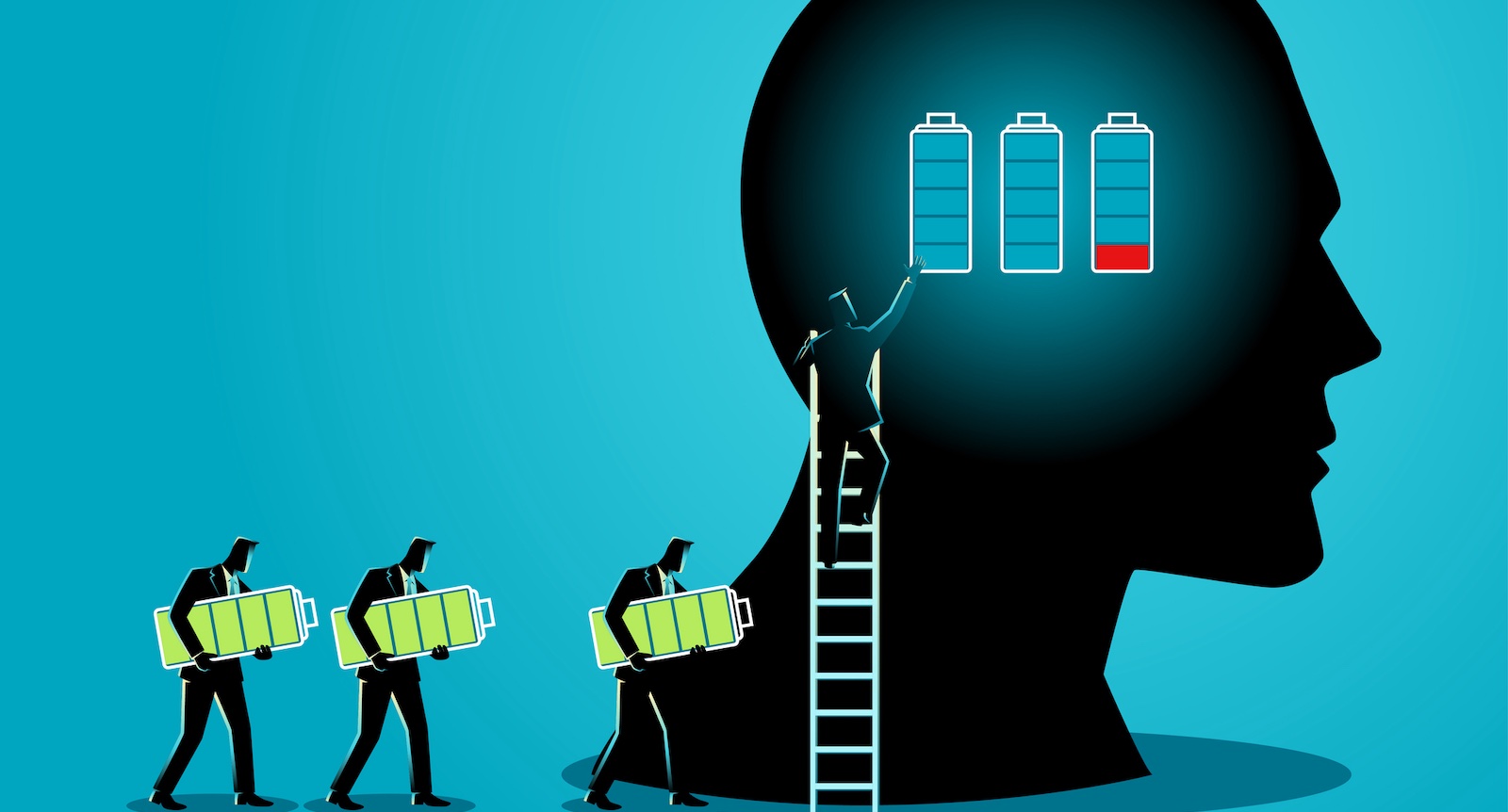
"Optimal energy, optimal rest and optimal focus," Toomey says. "These relate to quality of foods served at meal and snack breaks, quality of sleep and support to handle fatigue and concentration during the event for optimum intake and understanding of presented material. This indicates an opening for meditation sessions, comfortable seating and the freedom to stand and walk around the room, if needed."
Through holistic wellness activation at events—not just tossing in one or two elements, even though those certainly yield some benefits—participants can experience heightened learning and engagement due to a variety of neurochemical processes and pathways (think dopamine, oxytocin, serotonin, etc.). Most meeting professionals have likely experienced that to some degree onsite—it’s achievable but can be challenging.
"The major impediment appears to be time," Toomey says, when considering busy onsite schedules. "There is often a desire to cram so much technical content into a conference agenda that items appearing to be soft skills are squeezed out. This is understandable, but it is also foolhardy. Well-being sessions restore attention energy and build greater capacity for absorption of the other sessions on the agenda."
CREATE BREATHING ROOM
Jacob Marshall, co-founder of Applied Wonder, aims to create spaces that promote restoration and integration in both workplace and conference settings by combining elements of neuroscience, music and the natural world in a 15-minute experience.
"We are overextended in our obligations, overwhelmed by the vastness of our challenges, and there is no time or space to integrate all of the changes rapidly compounding in every aspect of our lives including our work," Marshall says. "This lack of spaciousness means we operate from a lower perspective, often missing the wisdom waiting for us if we just had a moment of elevation, stillness and clarity. So when we go to a conference, hoping to advance our lives and careers, all too often they are over-programmed."
Echoing the same important component Toomey notes—breathing room—Marshall says many professional events don’t offer the time and space necessary for attendees to integrate all of the new information and new relationships.
"Our work started in collaboration with neuroscientists at Mount Sinai Hospital in New York City over the first year of the pandemic," Marshall says. "Our spaces and experiences helped the frontline doctors and nurses battle their own fatigue and burnout. We were able to lower their stress levels by 60% in 15 minutes, helping them avoid decision fatigue and make life-or-death choices with precision."
Reiterating that mentally and physically exhausted people are more prone to making mistakes, there’s one key wellness-related change Marshall would like to see every organization make.
"Giving your team the time and space to restore their minds gives them the clarity to make their best contributions to achieving your goals," he says.
A HEALTHY BOTTOM-LINE
Similar to the ways in which attendees and planners can benefit from holistically incorporating wellness into events, industry suppliers can leverage the interest in and benefit of wellness to not only bolster their bottom line with sought-after offerings, but also to enhance the overall well-being of their own staff.
"Beyond spas and wellness resorts, many businesses are part of the wellness and wellness tourism economy—from food and beverages to locally produced personal care and beauty products, and from indigenous healers to personal trainers and yoga teachers," the GWI’s "Wellness Policy Toolkit: Wellness in Tourism" explains.
With the ongoing battle for talent, the greater event industry stands to benefit from addressing overall employee wellness, including physical and mental health as well as workplace conditions, benefits and compensation, as cited in GWI’s report. The value of this focus can be significant for attracting and retaining talent, especially with the younger generations in the workforce who have distinctly different wants, needs and approaches to business and life.
Key Wellness Efforts
"Brilliant things that can be done" at meetings and events, according to John Toomey, global chair of the Global Wellness Institute’s Workplace Wellbeing Initiative.
Start the first day with a reminder of the importance of remaining hydrated to stave of fatigue and sleepiness.
Start the morning and afternoon sessions of each day with a 5-10-minute-long guided meditation.
Serve delicious and nutritious food for snacks and lunch, including access to a variety of nurturing herbal teas along with quality coffee.
Provide diffusers and selected essential oils for bedrooms to support deep, restful sleep. Provide a relevant education session that teaches participants simple lessons about health restoration and improvement, and perhaps accompany this with access to an online portal that offers several audio and video programs that expand on the information presented.
Event Wellness in Action
"During IMEX America 2024, we hosted an event at CAESARS FORUM focused on participants’ well-being by creating an environment in which everyone was immersed in a journey of self-discovery and tranquility. Seventy attendees sat on meditation cushions in a circle in a dimly lit room, illuminated by candlelight. They were engrossed in a storytelling performance accompanied by the rhythmic sounds of percussion instruments. This event took place over one hour followed by beautifully presented healthy bites of foods and botanical-infused beverages from Caesars Entertainment’s event menus. By engaging in activities that promoted reflection, relaxation and a meditative state, participants were able to gain valuable insights into their personal well-being and stress management techniques." - Reina Herschdorfer, Director of Marketing, National Meetings and Events