October 22, 2026 - October 22, 2026
Networking never looked so good!
Learn More!
December 1, 2026 - December 1, 2026
Purpose. Presence. Possibility
Learn More!

Fostering Growth in Adult Learners: A Path to Lifelong Skills and Knowledge
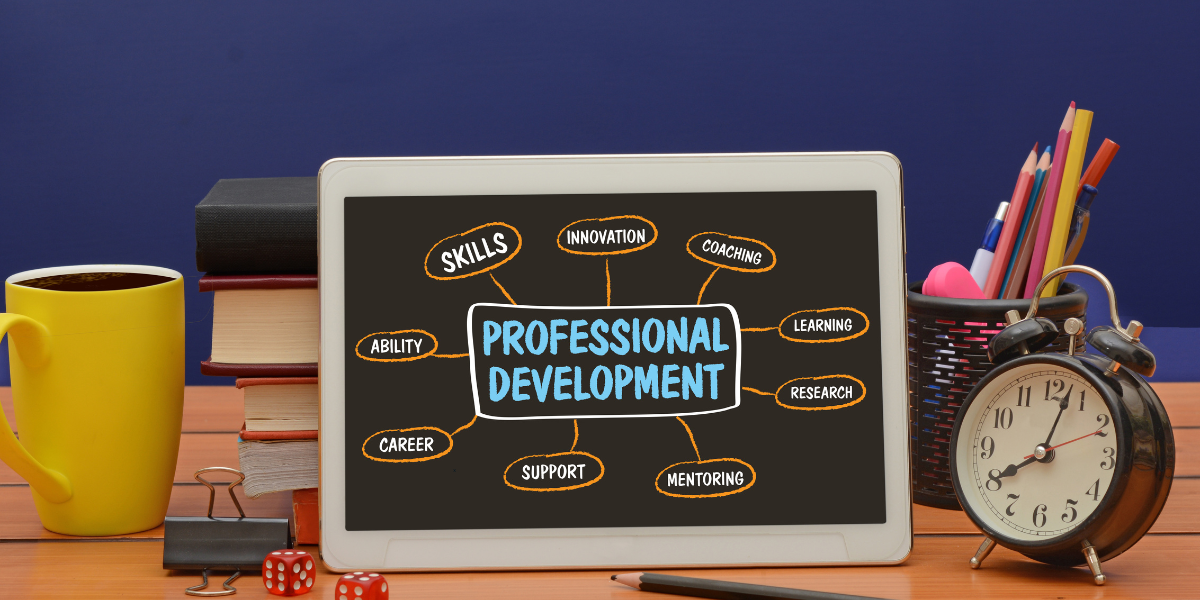
The most basic principles of adult learning, often referred to as andragogy, a term popularized by author, Malcolm Knowles, highlights how adults learn differently from children or teenagers.
Core principles that will aid with adult learning:
- Self-Directed Learning: Adults choose to take responsibility for their own learning. Most adults prefer to be involved in planning and evaluating their instruction.
- Resource – Life Experience: It is true that adults bring a wealth of experience that can be a most valuable learning resource. Learning is more effective when it connects with their past experiences.
- Goal-Oriented: Most adults are motivated to learn when they see how those learnings will help them achieve specific tasks or goals – whether it is personal or professional.
- Relevance-Oriented: Learning should be applicable to their work or personal life. Adults will need to understand the “why” behind what they are learning.
- Problem-Centered and Practical: Instead of abstract ideas, adults prefer learning that is applied and centered on resolving real-world issues.
- Internal Motivation: Adults are largely motivated by internal elements such as self-esteem, curiosity, and quality of life, while external motivators like promotions or certificates can also be helpful.
.png?sfvrsn=f2e05955_1 "l (1)")
Emotional Intelligence plays a role in adult learning as it refers to the ability to recognize, understand, manage, and influence emotions, both your own and those of others. It also significantly contributes to personal and professional success, often being as important or even more important than cognitive intelligence (IQ).
Key components of Emotional Intelligence (EI)
- Self-Awareness:
- Recognize your own emotions and how they affect your thoughts and behavior
- Know your strengths and weaknesses
- Display your self-confidence
- Self-Regulation:
- Learn to manage your emotions in healthy ways
- Control impulsive feelings and behaviors
- Fulfill obligations and adjust to evolving situations
- Motivation:
- Be driven to achieve a task.
- Display a passion for your work that goes beyond the typical money or status
- Don’t be afraid to fail and turn it into a “positive”
- Empathy:
- Understand the needs, emotions and concerns of others
- Learn to pick up on emotional cues
- Identify power dynamics in a group or organization and being at ease in social situations
- Social Skills:
- Manage relationships to move people in desired directions
- Inspire and influence others along with communicating clearly
- Be prepared to work well within your team(s) and manage conflict effectively
Emotional Intelligence matters in the workplace, relationships and professional growth. It contributes to leadership, teamwork, customer service, fostering deeper connections, and better conflict resolution along with enhancing self-understanding and resilience.
.png?sfvrsn=dae05955_1 "l (2)")
Adult learning is also driven by “learning style” which reflects how individuals prefer to absorb, process and retain information. Below you will see the (4) main types of learning styles that will aid in how you deliver information to your learner audience.
- Visual Learners:
- Prefer to see and visualize information using charts, diagrams, videos, infographics or written instructions.
- Auditory Learners:
- Attends lectures, listens to podcasts, participates in group discussion or verbal instructions.
- Writing/Reading Learners:
- Prefers information displayed in words by reading texts, writing notes, making lists or reading manuals. Learners enjoy researching and writing to reinforce what they learn.
- Kinesthetic Learners:
- Individuals that learn best through hands-on experiences and movement. They will sometimes take role-playing, simulations, physical activities and real-life examples.
In summary - Adult learning is a dynamic, self-directed process rooted in real-life relevance, experience, and purpose. Unlike traditional education, it empowers individuals to take ownership of their growth, drawing on their backgrounds, setting personal goals, and applying knowledge in meaningful ways. By embracing principles like autonomy, practical application, and internal motivation, adult education not only becomes a path to new skills, but a lifelong journey of transformation and empowerment
Author


Leave a commentOrder by
Newest on top Oldest on top