October 22, 2026 - October 22, 2026
Networking never looked so good!
Learn More!
December 1, 2026 - December 1, 2026
Purpose. Presence. Possibility
Learn More!

Navigating the New Meeting Landscape: Prioritizing Safety and Situational Awareness
In an era marked by rapid change and heightened global tensions, the landscape of professional meetings and medical education events has evolved significantly. While these gatherings remain essential for collaboration, innovation, and knowledge exchange, they now come with new challenges—particularly around safety and situational awareness.
The Changing Nature of Meetings
The post-pandemic world has seen a resurgence of in-person events, but with a hybrid twist. Conferences, advisory boards, and educational symposia now often blend physical and virtual participation. This shift has introduced new logistical complexities and, more importantly, new safety considerations.
From large-scale congresses to intimate roundtables, event organizers and attendees must now account for:

- Increased security risks due to geopolitical tensions and public health concerns
- Cybersecurity threats in hybrid and virtual environments
- Crowd management challenges in high-traffic venues
Emerging Threats to Meeting Safety
While most events proceed without incident, recent global events have underscored the importance of vigilance. Potential threats include:
- Unauthorized access to venues or virtual platforms
- Protests or disruptions targeting high-profile speakers or topics
- Health risks, including infectious disease outbreaks
- Cyber intrusions, such as phishing attempts or data breaches during virtual sessions
Best Practices for Ensuring Safety and Awareness
Whether you're an organizer or an attendee, adopting a proactive mindset is key. Here are some best practices to help navigate this new environment:
1. Know the Venue and Emergency Protocols
Familiarize yourself with:
- Emergency exits and evacuation routes
- On-site security personnel and medical stations
- Local emergency contact numbers
2. Stay Informed and Alert
- Monitor official event communications for updates
- Be aware of your surroundings and report suspicious behavior
- Avoid sharing sensitive information in public or unsecured digital spaces
3. Practice Digital Hygiene
- Use secure Wi-Fi networks and VPNs
- Avoid clicking on unfamiliar links or downloading unverified files
- Keep devices updated with the latest security patches
4. Travel Smart
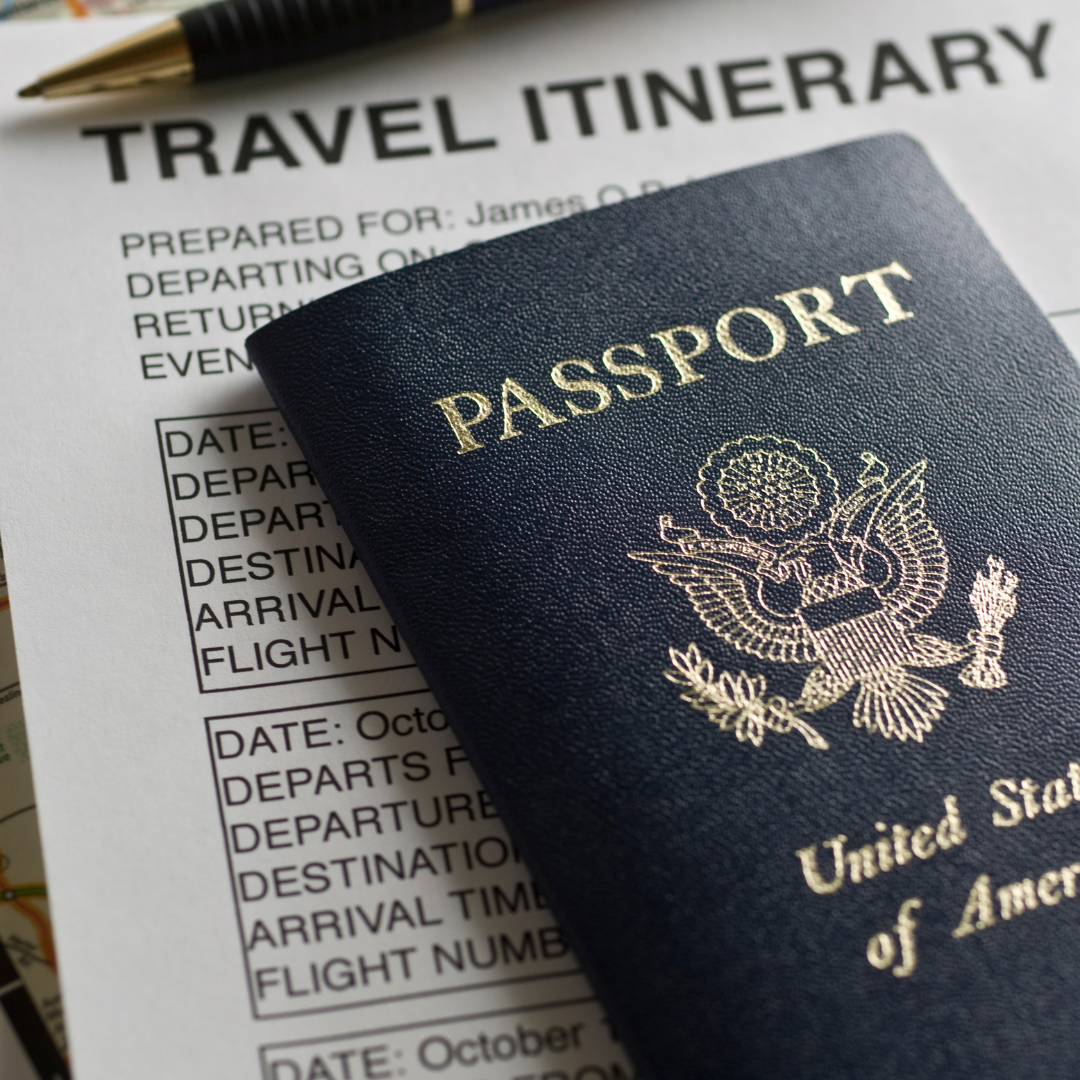
- Share your itinerary with a trusted contact
- Use reputable transportation and lodging services
- Keep identification and essential documents secure
5. Engage Responsibly
- Respect local laws and cultural norms
- Avoid engaging in or escalating confrontational situations
- Support a culture of inclusion and mutual respect
A Shared Responsibility
Safety at meetings is a shared responsibility. Organizers must invest in robust security protocols and transparent communication, while attendees must remain vigilant and informed. By working together, we can ensure that professional gatherings remain not only productive but also safe and secure.
Final Thoughts
As the meeting landscape continues to evolve, so too must our approach to safety. By embracing situational awareness and adopting proactive safety measures, we can protect the integrity of our events and the well-being of all participants.
Author


Leave a commentOrder by
Newest on top Oldest on top