October 22, 2026 - October 22, 2026
Networking never looked so good!
Learn More!
December 1, 2026 - December 1, 2026
Purpose. Presence. Possibility
Learn More!

Navigating the New Meetings Landscape
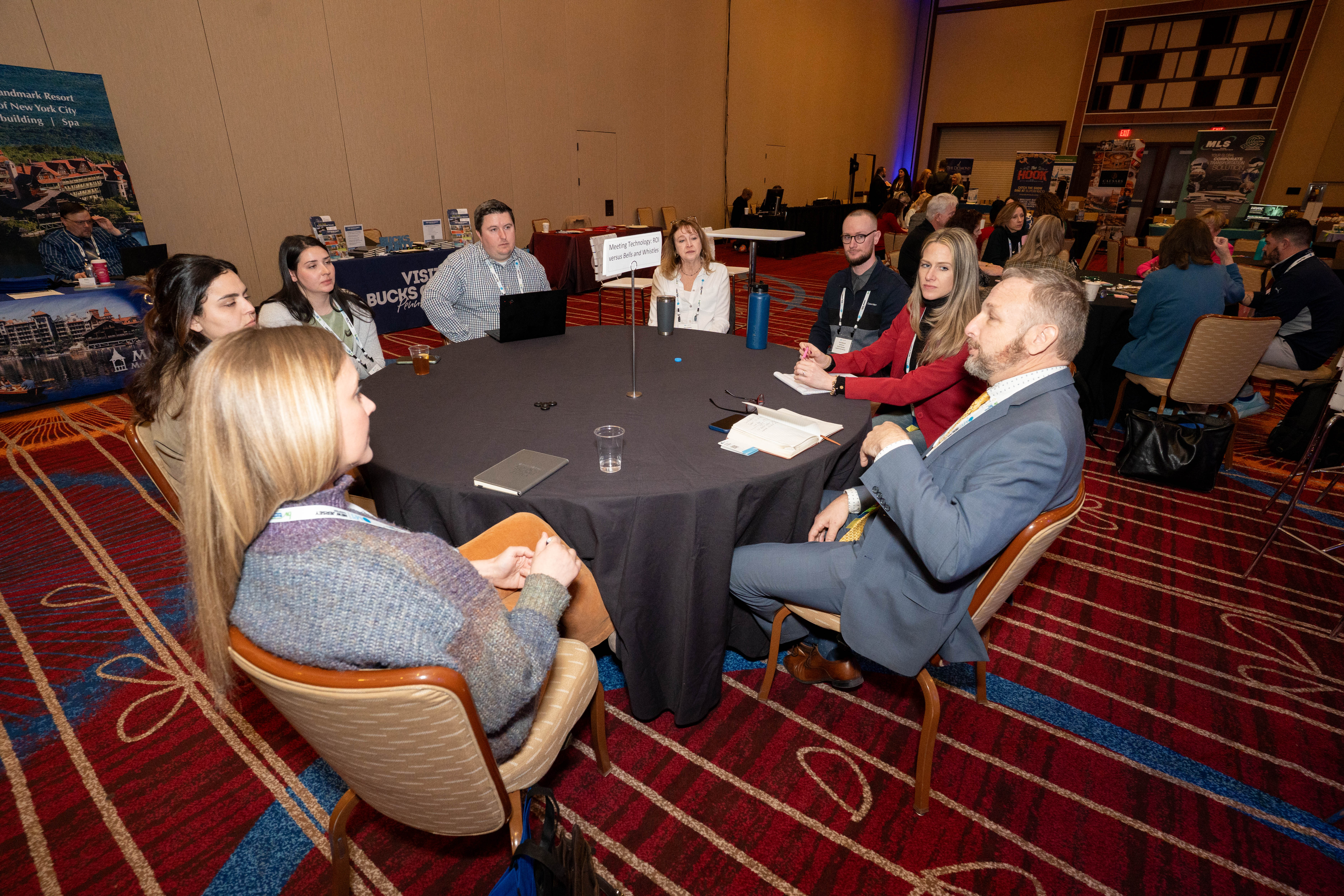
The meeting landscape changes at the speed of the morning headlines: our ability to anticipate and manage those changes has an immediate and critical impact on our attendees and our meeting results.
An overflow table of experienced MEETS participants joined MPI New Jersey Chapter President Trish Rafferty during a roundtable session on “Navigating the NEW Meetings Landscape” – the chapter theme for 2025. The collective expertise around the table discussed multiple concerns and contributed solutions that were currently being used to resolve the problems.
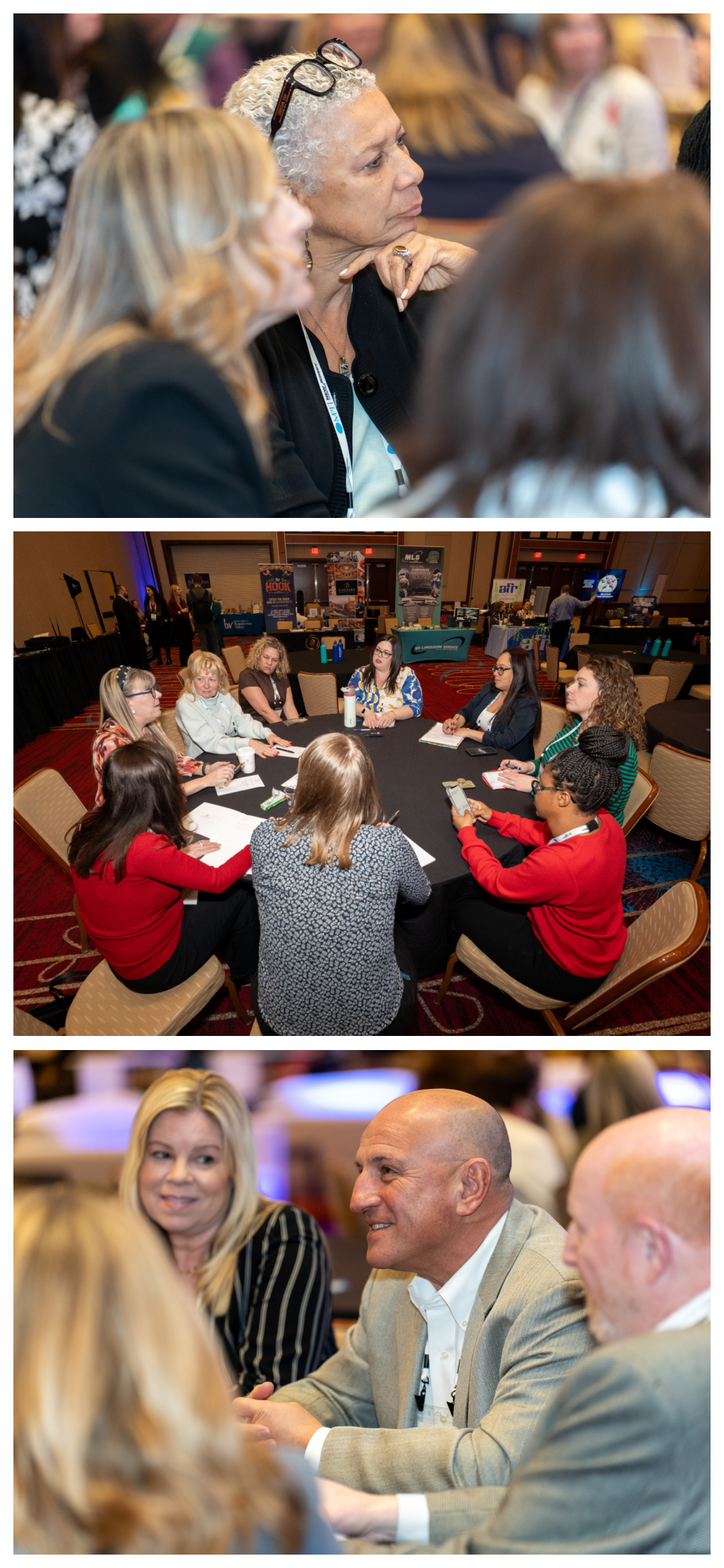
Trish led our three groups through several topics of current interest, and the conversation sparked many sidebars both during and after the session. Key takeaways included the following:
Changes in DEI regulations across the US - the significant impact here is on domestic meetings, especially those involving federal government entities or personnel; international meetings may not see similar effects as they are not impacted by local law. Incentive meetings may be impacted by other US foreign policy issues such as tariffs. Minimizing the quantity of shipped items and sourcing domestic substitutes may be a cost-effective strategy to lessen the impact of tariffs.
Dietary requests from attendees - whether for religious, cultural, or allergy requirements continue to be a widespread and sensitive issue for cost as well as accessibility. Among the techniques discussed for safe and kind handling of these needs are direct person-to-person discussion with the attendee to assess the need, in addition to the dietary survey used by many professional meeting managers. For example: people requesting halal, kosher or Lenten diets may be accommodated with a vegan selection versus the need for a sealed and separately secured meal. This kind of enquiry may offer the attendee a wider selection of foods while respecting the individual dietary needs and may eliminate food waste in unused meals. For guests with specific food allergies, strict, clear, and accurate labeling of all ingredients is critical.
Security requirements - for many meeting planners in the pharmaceutical, aerospace and medical device fields, the security of their attendees as well as the security of any materials is a key component of every meeting. Some planners delegate specific team members to make pre-and post-meeting room sweeps to control any documents and add a second sweep to the meeting room before it is locked at the end of the day’s events. Physical and electronic key control was discussed with sign out protocols as well as designated key-holders being implemented to provide additional security.
Personal security - it was noted that attendees may be more secure on key access floors and, especially in venues evaluated as a security risk, may wish to be housed between floors two and six, to allow for easy evacuation as well as minimizing outside access from ground floor windows or patio doors.
Medical services - ensuring appropriate medical services for all attendees may require attention to local laws and regulations that are changing by state. This awareness is critical so that all meeting attendees have access to the services needed at the location. If that is not possible it may be necessary to build a contingency plan to provide emergency services.
As the meeting landscape continues to be impacted by changes of various magnitudes, it was stressed that agility on all these issues, especially those issues that affect attendee health and safety, will continue to shift. Ongoing documented communication is needed between the meeting planner and all the stakeholders including the meeting sponsors, venue partners, and hotel partners. It is recommended to enlist the services of the local Convention and Visitors’ Bureau for the most up-to-date information. The hotel loss prevention team as well as local law enforcement are also important allies in planning safe, accessible meetings moving forward.
Author


Leave a commentOrder by
Newest on top Oldest on top