December 1, 2026 - December 1, 2026
Purpose. Presence. Possibility
Learn More!

Stronger Together: How Cross-Functional Alignment Transforms Meetings from Ordinary to Exceptional
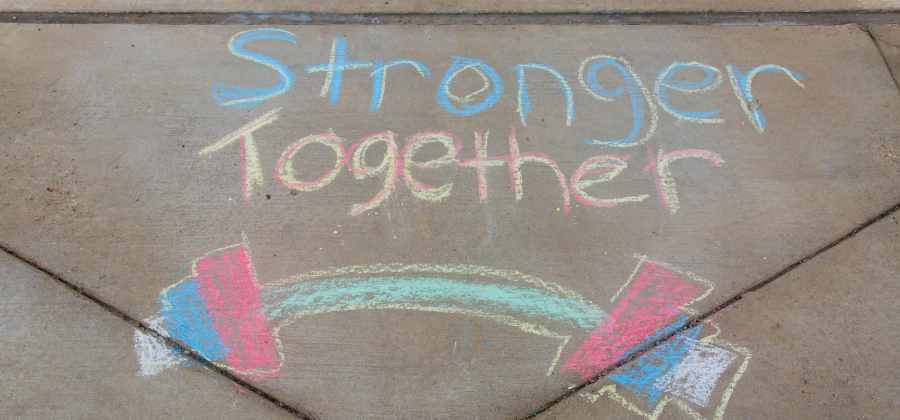
Behind every truly successful meeting is something that attendees rarely see but always feel - alignment. Not just within the agenda or the logistics, but across the people, teams, and goals that shape the experience.
For meeting planning professionals, cross-functional alignment is not a “nice-to-have”—it’s the foundation of strategic, impactful events. When teamwork, communication, and collaboration are intentionally cultivated, a meeting moves beyond execution and becomes something extraordinary.
The Power of Alignment
Meetings today are rarely owned by a single department. They are influenced by marketing, sales, executive leadership, HR, communications, and external partners. Each group brings its own priorities, metrics, and expectations.
Without alignment, this diversity can create friction:
- Competing objectives
- Disconnected messaging
- Inefficient workflows
- Inconsistent attendee experiences
But when alignment is achieved, those same diverse perspectives become a powerful advantage.
Cross-functional alignment ensures that:
- Everyone is working toward the same goals
- Messaging is consistent and purposeful
- Resources are used effectively
- The attendee experience feels seamless and intentional
This is where meetings start to evolve—from a collection of moving parts into a cohesive, high-impact experience.
From Mediocre to Memorable
A meeting can check every logistical box—on time, on budget, well-organized—and still fall flat. Why? Because without alignment, it lacks cohesion, clarity, and purpose.
Strong cross-functional alignment transforms meetings by:
1. Creating a Unified Vision
When all stakeholders are aligned on the “why” behind the meeting, every decision becomes more intentional. Content, design, and engagement strategies all work together to support a shared objective.
2. Enhancing the Attendee Journey
Alignment ensures that every touchpoint—from pre-event communications to on-site experiences—feels connected and thoughtful.
3. Driving Engagement and Impact
When teams collaborate effectively, they create richer, more dynamic experiences that resonate with attendees and deliver measurable outcomes.
4. Reducing Friction
Clear roles, expectations, and communication pathways minimize last-minute confusion and allow for smoother execution.
The result? A meeting that doesn’t just function; it inspires.
Teamwork, Communication, and Collaboration: The Core Drivers
Cross-functional alignment doesn’t happen by accident. It’s built through three critical elements:
Teamwork
Great meetings are a team sport. Recognizing the value each stakeholder brings fosters mutual respect and a sense of shared ownership.
Communication
Clear, consistent communication is the backbone of alignment. This includes:
- Setting expectations early
- Providing regular updates
- Translating complex ideas into clear direction
Collaboration
True collaboration goes beyond coordination—it’s about co-creation. Inviting input, encouraging dialogue, and working together to solve challenges leads to better, more innovative outcomes.
When these elements are strong, alignment becomes a natural byproduct.
Your Role as the Subject Matter Expert
As a meeting planning professional, you are more than a coordinator, you are a subject matter expert in experience design, logistics, and strategy. This expertise uniquely positions you to drive alignment across teams.
You see the full picture:
- How business objectives translate into event experiences
- How timing, flow, and design influence engagement
- How individual decisions impact the overall outcome
Your role is to connect the dots!
Author

Leave a commentOrder by
Newest on top Oldest on top