July 16, 2026
Join us for a night of fun, networking, and friendly competition at the MPI Texas Hill Country Chapter's Summer Social
Strike up Connections!
October 28, 2026 - October 30, 2026
Co-Hosted by MPI Texas Hill Country and Houston Area Chapters
Learn More
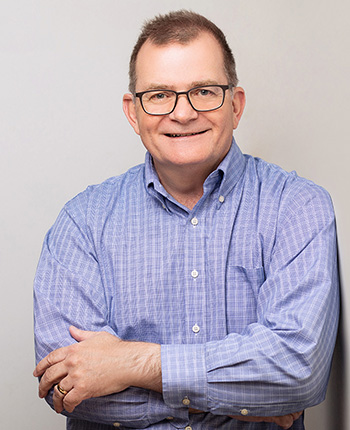
Charles Quinn

We sat down with Mr. Charles Quinn of Charles Quinn Photography to learn about his experience volunteering with MPI Texas Hill Country. Here is what he shared.
What first sparked your passion for photography, and how did you develop your skills into the professional craft it is today?
I have been interested in photography since I was very young. My father was an amateur photographer so he was my initial inspiration. I got my first camera when I was nine years old. It was an inexpensive instamatic film camera, and I took tons of photos with it. I got my first serious camera, a Canon 35mm film camera when I was 14. This is when my photography skills began to take off. I read all that I could about photography. There was no YouTube or TikTok back then so learning was through reading books and magazines.
Fast forward to 2010 when I started my photography business. I was working as an administrator at Austin Community College at the time. This allowed me to take several commercial photography classes at ACC for free. The classes were tremendously beneficial in developing the skills necessary to be a professional photographer. Experience has also been a great teacher. I’m always trying new things and honing my skills.
How did you find your way into the meetings and events industry, and what is it about capturing live events that excites you compared to other types of photography?
After starting my photography business in 2010, one of my first big jobs was photographing a multi-day celebrity golf tournament. I enjoyed the variety of situations I was required to photograph, both inside and outside. It was a nice challenge (and still is). I began photographing an increasing number of corporate events, non-profit events, and private parties. Referrals and word-of-mouth have been the primary drivers of growth for my business.
Event photography is an interesting challenge because it requires skills in different types of photography. As an event photographer I have developed skills in architecture photography, portrait photography, sports photography, macro photography, etc… The real challenge is in the fact that I have to capture photos in lighting conditions that I usually have little control over, from bright sunlight to near darkness. Things can move quickly in events so being able to switch from photographing a well lit speaker on stage to someone doing backflips into a dimly lit ballroom within a few seconds requires skill that can only be developed through experience (an actual situation I photographed).
When you’re shooting a conference, convention, or corporate event, what's your approach to telling the story of that event through your lens? What do you want clients to walk away with when they see your work?
It’s all about making the client and the event planner look good. Photographing people interacting and having a good time is my primary goal. All clients want these photos. I feel a sense of accomplishment when the client says “you made the event look better than it actually was.” Secondary to that is capturing speakers, posed group photos, and entertainers. Venue and signage photos are usually requested by the event planner for their documentation and marketing purposes.
I view myself as a documentarian. This means I capture as many people as possible, the various happenings at the event, and the venue. Most importantly I capture the event in a positive light by showing people having a good time. Events are all about people enjoying themselves. Whether its a gala, private party, or corporate conference.
You so generously volunteer your photography talent for our chapter. What drew you to give back, and what has that experience meant to you?
It is important to share your skills in the professional organizations to which you belong. This improves the organization by utilizing the expertise of its membership. It’s also a great way to demonstrate your skills to other members. Giving back to MPI through volunteering has been a positive way to be involved with the organization. Volunteering my photography skills is a great way to be active within the organization.
For event professionals thinking about bringing a photographer on board, what should they be looking for and what sets a great event photographer apart?
Since events are all about the people, the most important thing event professional should look for in a photographer is the style of their photography. Does the photographer’s portfolio include photos of people having fun, or just photos of people staring at the camera and pretty event decor? The photographer’s style should match the look the event planner wants to portray for the event. Having a knack for capturing those great candid moments is of paramount importance. The same goes for capturing speakers and entertainers. Timing photos of speakers and entertainers to show them in a positive way requires skill and experience.
Planners should also consider the type of event and what a photographer will capture. Speakers, sports/action, type of entertainment, and lighting conditions are examples of things to consider. Photographers with skills in capturing the various aspects of the event in the available lighting conditions is important. If a photographer’s portfolio shows mainly outdoor photography of still subjects they may not be the best fit for an indoor, poorly lit event that includes movement/action.
Great event photographers should be able to capture a variety of scenarios and activities in all lighting conditions. They should also have the flexibility and experience to pivot on a moment’s notice. Events move quickly, and there are rarely opportunities to pause and retake photos.
Thank you for all you do, Charles!
Author