Many event professionals believe they can handle stress without any significant repercussions—that any anxiety that might accompany their work must be pushed aside for them to be effective at their work, according to Paul Wong.
“We need to show our strength, our poise under pressure, and if we talk about anxiety or acknowledge it, we are acknowledging something that is deemed a weakness in ourselves,” says Wong, senior director, global events for ISPOR - The Professional Society for Health Economics and Outcomes Research. “My goal is to prove that anxiety isn’t a weakness and that it’s not something that only YOU feel. In fact, that same anxiety that you are trying to avoid can be used as an asset to help you be a better event professional.”
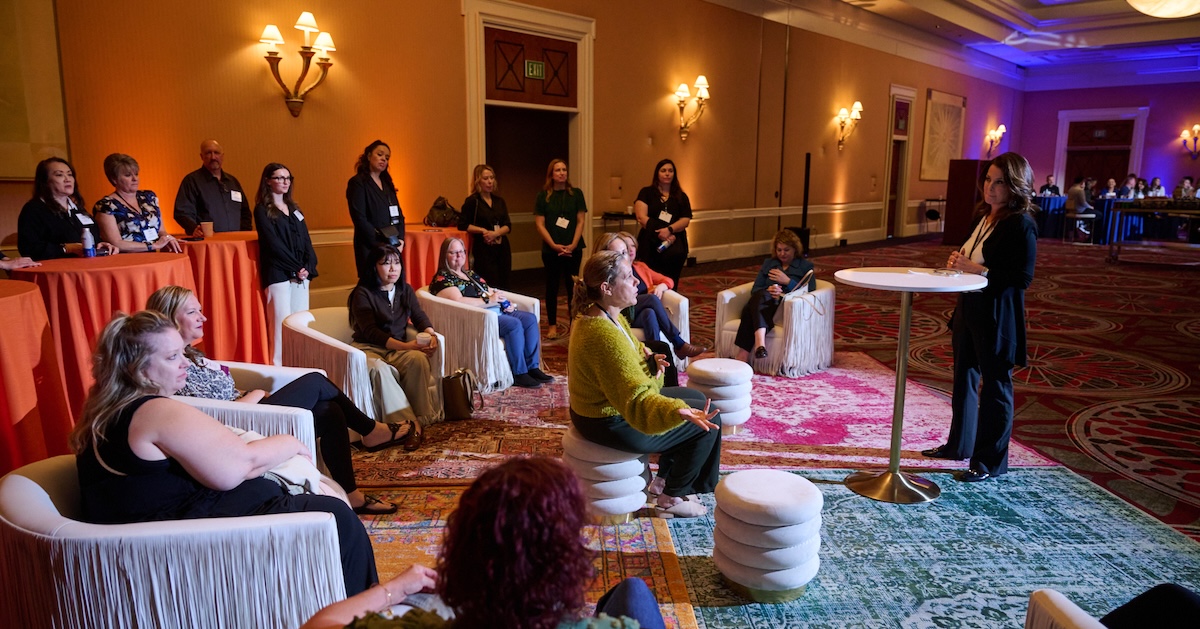
Wong, alongside Dr. Renee DeBoard-Lucas, a licensed clinical physiologist from Maven Psychology Group PC, will be leading a session called “From Anxiety to Acceptance: A Community Conversation for Event Professionals” at MPI’s World Education Congress (WEC), June 2-4 in San Antonio. Like many, Wong’s anxiety came to the forefront during the pandemic when his two kids were attending school remotely and he feared the only job he had ever known might not exist in the future.

“It really brought an existential crisis to my doorstep,” he says. “I could feel the pressure building between work and home, while also trying to learn how to pivot an in-person event to virtual. I was getting irritable, I felt overwhelmed, and it got to the point where I was having trouble speaking on calls because my anxiety was so heightened.”
Wong knew something had to be done before he hit a “rock bottom” moment.
“It was at that point I sought out help with a therapist, and I’ve been seeing that same therapist weekly since,” he says. “Acceptance was probably the hardest thing for me to grasp with my anxiety. Even two years into therapy, I was always looking for that moment when I would be cured. Sure, my therapist said that you have to learn to live with and accept your anxiety, but I always thought that I would just one day stop feeling it.”
It never goes away
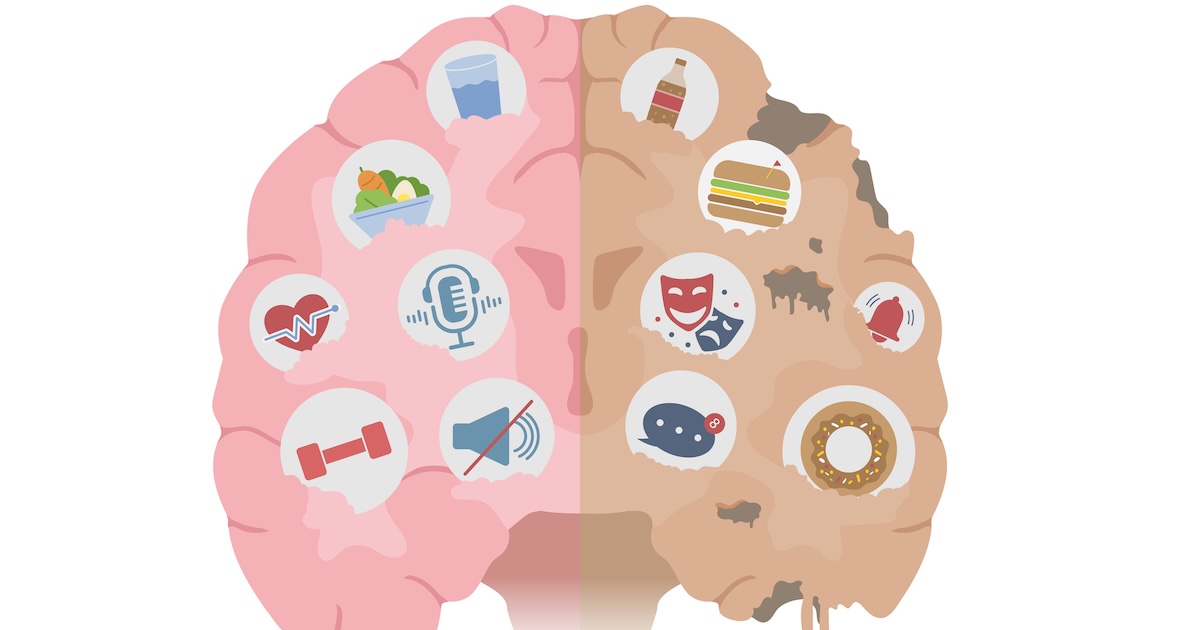
As he began prioritizing sleep, nutrition, fitness, making time for himself and regulating his amount of socialization, Wong thought it was just a matter of time before he would stop having anxiety attacks.
“But the thing about living with anxiety is that it never goes away. You can turn down the volume, you can learn to deal with it better, but it will always be there with you,” he says. “I had to learn to accept that my anxiety was part of who I am. It is no different than me saying I’m bald or I’m Asian. Once I got to the point where I was willing to accept that anxiety is a part of me, I started to think about what makes me, me—how am I wired, why am I willing to take charge of situations, to plan, to problem solve, to be in the middle of what many people think is just pure stress (planning events)?”
At that point, Wong realized his “overthinking” was just part of his anxiety coming to life.
.jpg?sfvrsn=7d053b55_1 "paul wong (1)")
“That ‘overthinking’ made me good at my job. I could see more possibilities; I could let my brain run wild in all the different ways someone could experience my event,” he says. “Once I saw that my anxiety could actually be good for me, that’s when I knew I truly embraced it and accepted it as part of who I am.”
While Wong’s anxiety might sometimes look like overanalyzing what someone says, such as reading an email 10 times or replaying conversations in his head, he believes anxiety has made him a better leader.
“When unchecked, overanalyzing can cause your anxiety to boil over and take control of your life. But if you learn to cope with it, that same overanalyzing can also allow you to have empathy for your team members,” he says. “You can understand what they might be feeling in a situation and you can relate to it. That doesn’t mean you can always do something about it, but sometimes all you need to do is acknowledge what someone may be going through for it to make a difference in their day. In creating a safe space where you and everyone on your team can be vulnerable without judgement, you build trust and loyalty. The psychological safety within a team is so important, especially when you’re working in a high-stress environment.”
Leaning into it
Wong wants to help those attending his WEC to shift from hiding their anxiety to accepting it.
“I want people to see me on stage as a successful meeting planner who just happens to have anxiety,” he says. “I want them to see that it’s not a barrier, it’s not a challenge, it just IS. And hopefully they’ll see that they’re not alone in their anxiety because we have a room full of people who may be feeling the same thing.”
The next shift he wants attendees to make is from one of simply accepting anxiety to embracing it.
“I want people to see their anxiety as an asset in their job,” he says. “Once you get to the point of allowing that anxiety to exist in your life and you’ve found ways to effectively cope with it, then you can start leaning into that anxiety. That same anxiety lets you see possibilities when you’re designing an event. It can give you a better sense of empathy as a leader or as a planner, and you can be in tune with what people are feeling and experiencing. It can be a source of strength for you.”

Wong likens the anxiety journey to the plight faced by The Incredible Hulk of comic book, TV and movie superhero fame.
“For Bruce Banner, when his anger takes control of him, he turns into the Hulk. And if he’s not careful, that Hulk will smash everything in sight regardless of if it’s a good guy or bad guy,” he says. “But once Bruce Banner accepts that the Hulk is part of him, he can use the Hulk to be a hero and become one of the strongest Avengers. I want people in the room to feel that same way about their anxiety and to embrace their supposed weakness and turn it into a force that can be used for good—or at least a force for planning better events!”