.jpg?sfvrsn=f2973855_1)
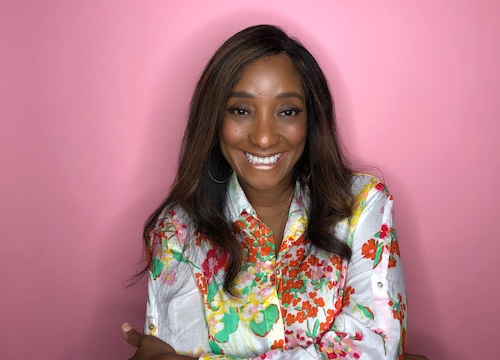
Transformation means someone walks out of the meeting room doing something differently than when they walked in—not feeling inspired, but actually doing something differently, according to Cheryl Gentry, founder and CEO of Glow Global Events.
Examples, she says, include a donor who increases their giving tier, a corporate partner who becomes a co-creator instead of a logo on a banner and an attendee who leaves with a framework they use at their next event.
“When I’m designing an event, I ask one question before I touch the room design, the catering, any of it: what is the behavior change we’re engineering?” says Gentry, who is presenting “Beyond the Gala: Designing Events that Transform, Not Just Perform” at MPI’s 2026 World Education Congress (WEC), June 2-4 in San Antonio. “If you can’t answer that, you’re planning a party. I’m not in the party business.”
Because tradition feels like competence, it’s comfortable, Gentry says, and when you do what worked last year, nobody questions you.
“It’s a risk-management strategy disguised as culture,” she says. “The gala format has been the same for decades—cocktail hour, dinner, awards—and it persists not because it works, but because it’s defensible. Nobody got fired for doing the rubber chicken dinner. But here’s what I’ve learned in 25 years: audiences have changed. They’re overstimulated, under-engaged and deeply skeptical of performative giving. The event professionals who keep defaulting to tradition aren’t protecting the mission—they’re protecting themselves from accountability. And that’s a conversation the industry needs to have out loud.”
While traditional formats tell you what to think, Gentry says, simulation forces you to find out how you actually think under pressure—two very different things.
“You can sit in a session and learn the framework for balancing your budget. That’s useful. But the moment I hand you a role card that says you’re the CFO, your sponsor just dropped out and your CEO is on the phone wanting answers in five minutes—you learn something about yourself that no slide deck can teach,” she says. “You discover where you compromise. Where you default. Where your values actually live when resources are scarce. That’s the kind of learning that changes behavior. That’s what I’m after…having a proactive mindset.” 
When it comes to the role of technology in enhancing connections at events, Gentry says you need to ask one question: Is this technology creating a shared human moment or is it replacing the need to have one?
“A live polling tool that surfaces what 500 people are thinking in real time and sparks a conversation—that’s tech enhancing touch. An app that lets attendees skip the networking reception and scroll their phone in a corner—that’s tech replacing it,” she says. “The distinction isn’t about the tool, it’s about the intent behind deploying it. I push my clients to audit every tech touchpoint: Does this generate data AND deepen experience simultaneously? If it only does one, reconsider it. If it does neither, cut it.”
Gentry hopes attendees leave her session feeling like the have “permission to challenge the brief.”
“Most event professionals are order-takers. A client comes in with a vision, and we execute it—even when we know it won’t achieve the actual goal,” she says. “What I want people to leave with is the confidence to say, ‘I hear what you want. Let me show you what you need.’ That’s not arrogance. That’s strategy. That’s the difference between an event planner and a strategic partner.”