
Event training should help professionals do better work, not just add another credential. Meeting professionals face short timelines, rising expectations and constant change. They need learning that fits real job demands and leads to practical improvement. That is what makes the choice of training format so important.
The best option depends on what you need right now. Some professionals need a fast way to sharpen one skill, while others need a deeper program that supports a move into a more strategic role. The strongest choice is usually the one that fits your current responsibilities, your schedule and the kind of work you want to do next. Good professional development should feel useful on the job, not disconnected from it.
Event training should match career stage and goals
Before comparing formats, it helps to define the gap you want to close. A newer planner may need stronger skills in budgeting, logistics and stakeholder communication. A more experienced professional may be focused on strategy, measurement, hybrid design or leadership. Supplier-side professionals may need training to improve collaboration with planners and strengthen client results.
That is why event training should match both career stage and daily responsibilities. When people choose development only because it sounds impressive, they often end up learning it’s interesting but not especially useful. A better starting point is a simple question: What skill would make your work stronger over the next six to 12 months? Once that answer is clear, comparing options becomes much easier.
Event training options work best for different needs
The format matters just as much as the topic. Not every option solves the same problem. Some work best for speed and flexibility, while others are better for deeper learning and stronger accountability. The right fit often depends on how much time you have, how quickly you need the skill and how directly you want to apply it.
When comparing event training, look at a few basic factors:
Time commitment
Skill level
Learning format
How quickly can you apply the learning
That quick review helps keep the decision practical. It also makes it easier to compare programs without getting distracted by branding alone. More importantly, it helps professionals choose training that fits their current needs instead of selecting a program that looks impressive but does not support day-to-day performance. When the format matches the goal, professional development becomes easier to use and more valuable over time.
Self-paced learning works best for speed and flexibility
For busy professionals, flexibility often determines whether training happens at all. Recorded webinars, short courses and on-demand sessions work well for people who need learning they can fit around a demanding schedule. They are also useful for professionals who want to explore a topic before committing to a larger program.

The tradeoff is that self-paced learning does not always create strong accountability. It is easy to delay, skim or forget if there is no clear plan for using what you learned. That does not make this format less valuable, but it does mean it works best when paired with a specific goal. For professionals who want a flexible starting point, MPI Academy is useful because it brings together in-person, on-demand and streaming education in one place.
Live programs build stronger skills
Some skill gaps need more structure than self-paced learning can provide. Live online courses and certificate programs usually offer clearer milestones, stronger instruction and more direct feedback. That makes them useful for professionals who want more than a quick update and need a stronger framework for applying what they learn.
This kind of event training is often the better fit when the skill gap affects daily work. That could include stakeholder communication, event design, measurement, risk planning or hybrid strategy. For newer professionals or those who want a refresher, Basics Bootcamp: Meeting Fundamentals is a practical starting point.
In-person and community learning add perspective
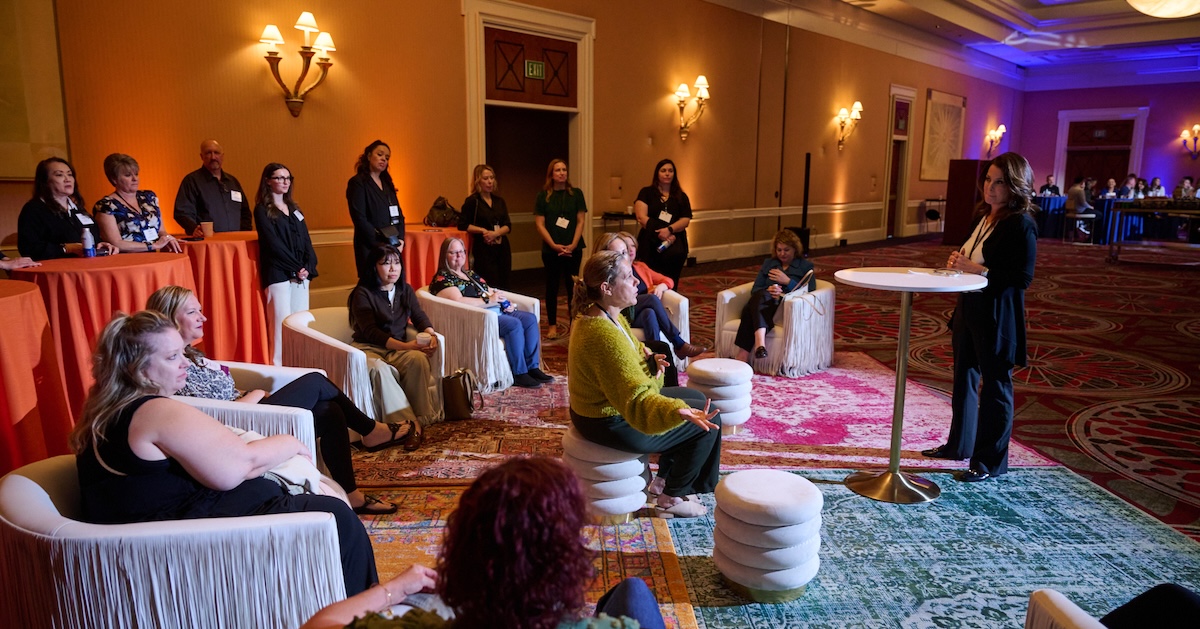
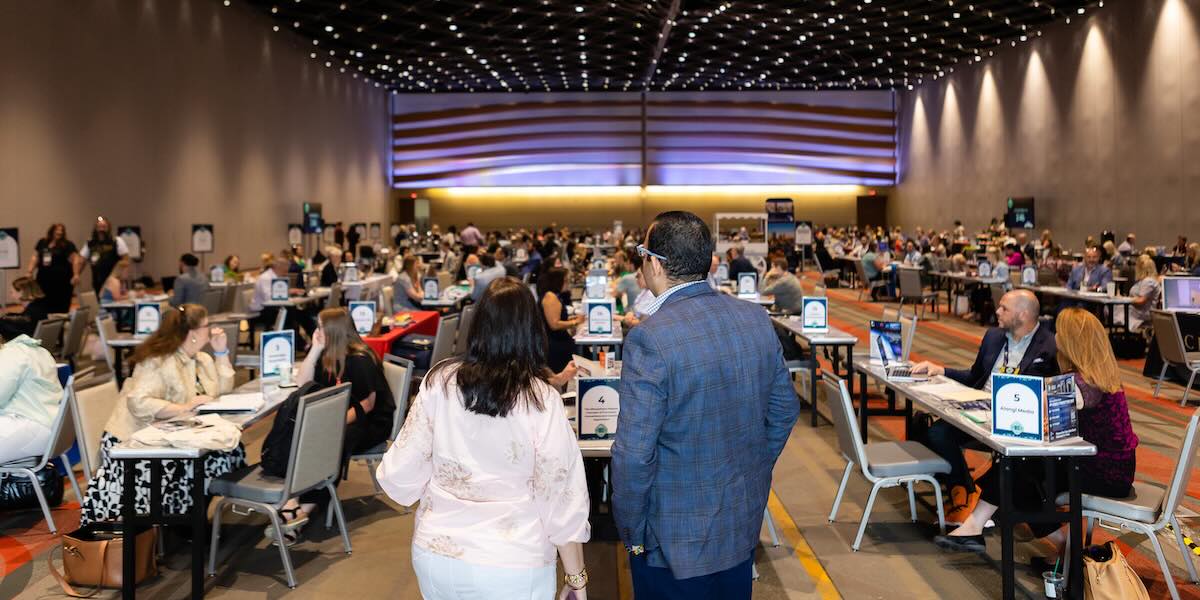
Conferences, chapter programs and peer communities add a different kind of value to professional development. They do more than deliver content. They create space for discussion, industry perspective and real examples from people facing similar pressures. That kind of exposure can help professionals think beyond their immediate workload and see the bigger picture.

This format is especially useful when the goal is broader growth. It helps professionals understand what others in the industry are seeing, which ideas are gaining traction and how peers are responding to change. Community-based learning can be just as practical as formal coursework because it gives people a place to ask direct questions, compare approaches and stay connected to day-to-day realities in the meeting industry. That makes learning easier to apply once the event work begins again.
Cost matters, but fit matters more
Price can shape the decision, but it should not make the decision alone. For emerging professionals, students and small teams, budget is a real concern. Even so, the lowest-cost option does not always deliver the strongest value. A lower-cost course that never changes how you work may be less useful than a more focused option that improves performance right away.
Event training becomes a better investment when it is part of a larger plan. A professional might use self-paced learning for quick updates, then choose a certificate or live program when deeper growth is needed. Employer support, membership benefits and MPI Foundation scholarships can also make stronger learning options more accessible. When the training fits the role and the timing is right, the return is often much stronger.
The best event training plan uses more than one format
The strongest professional development plan usually includes more than one format. Self-paced learning helps professionals stay current, live programs build greater skills and in-person or community learning adds context, perspective and connection. Together, those options create a more useful path than relying on a single format. That mix also makes it easier to keep learning consistently over time.
For meeting professionals, the next step should stay simple. Choose event training that helps you do your current job better while preparing you for the role you want next. Explore learning options through MPI Academy to develop a professional development plan that aligns with your goals and supports long-term growth.