As 2027 approaches, you need to track shifts already reshaping the meeting and event industry. Emerging event industry trends signal changes in budgets, technology and attendee expectations for the year ahead. You can use this forecast to plan smarter, negotiate confidently and design experiences people remember.
Freeman, Maritz and MPI’s own Meetings Outlook each surveyed planners and attendees to map the year ahead. Their research points to a marketplace that rewards flexibility, measurable impact and genuine human connection. You’ll find five shifts below, each one ready to act on before your next event goes live.
Why trends matter for planners in 2027
Event industry trends do not appear overnight, and they build on data planners already track closely. Freeman’s newest research shows attendees now want more learning time away from formal session rooms. MPI’s Q3 2026 Meetings Outlook backs this shift, with most planners linking event success to real human impact.
The top event industry trends for 2027 center on AI-assisted planning, flexible hybrid formats and measurable impact. Attendees also want richer learning outside session rooms and sponsored content that feels genuinely relevant. You will see these shifts across venues, budgets and the technology planners choose for 2027.
Currently, corporate and association planners alike report tighter budgets alongside stronger optimism about attendance quality. As a result, reduced spending pushes teams to prioritize experiences that prove their worth long after an event ends.

Maritz research points to a comparable pattern in event industry trends, with hospitality-driven moments becoming a core design expectation. Specifically, planners now build welcome gestures, recognition and small surprises into every stage of the attendee journey. Ultimately, you can apply these same principles no matter your event’s size or budget for the coming year.
Generational change adds another layer, since younger attendees expect learning options beyond the main stage. Two out of three younger professionals want expanded formats, according to Freeman’s latest attendee research. You should plan content tracks that flex for both new professionals and seasoned industry veterans. Industry events increasingly showcase these trends firsthand for planners eager to see them in action—including at IMEX America which dedicates entire sessions each year to exploring what’s coming next in the industry.
Top 5 event industry trends to watch
These trends stand out most clearly across the newest planner and attendee research, with each reflecting a real shift in budgets, technology or what attendees expect from your event.
- AI-Assisted Planning and Personalization - AI tools now help you personalize agendas, matchmaking and communications at a scale humans cannot match.
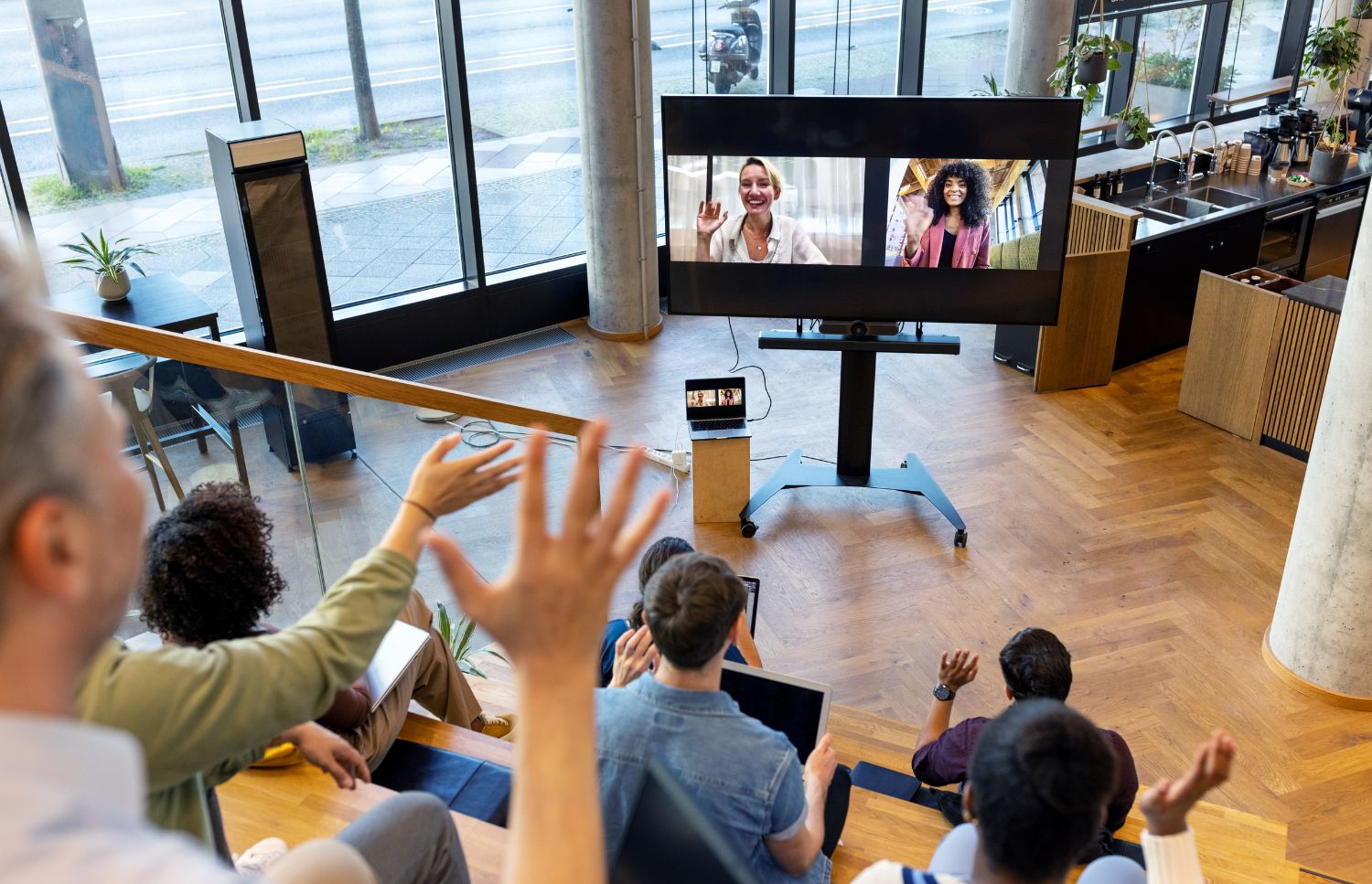
- Hybrid Formats Built Around Flexibility - Hybrid formats remain a fixture, letting you reach remote audiences without cutting your in-person budget.
- Learning That Extends Beyond the Session Room - Attendees now rate peer talks and expo interactions above traditional sessions, per Freeman’s research on attendee learning preferences.

- Sponsorship Built on Relevance, Not Just Reach - Attendees accept sponsored content when it stays clearly disclosed and closely tied to their interests. You can explore sponsorship and advertising opportunities to see how relevance-first partnerships work in practice.
- Proof of Impact Through Better Measurement - 78% of event professionals call measuring human impact a top priority, according to MPI’s Q3 Meetings Outlook report.
Together, these shifts push planners toward events that feel personal, flexible and provably worthwhile. No single trend works in isolation, so plan for how they overlap across your event. Budget conversations, technology choices and content design should all reflect these five priorities together.
Putting the trends into practice
You don’t need to chase every trend at once to see real results at your next event. Pick two or three trends that match your budget, audience and current tech stack. Small, deliberate changes often build more trust with attendees than a complete strategy overhaul.
Review your event data from this year and match it against each trend listed above. The comparison shows you exactly where to focus your planning time for 2027. Benchmark your event data against these five signals every quarter, not just once a year. Regular tracking reveals which trends deserve more of your budget and attention next.
Real advantage comes from acting early, before competitors adjust their own event strategies for 2027. Start with one trend, measure results and expand your approach as data confirms what works.