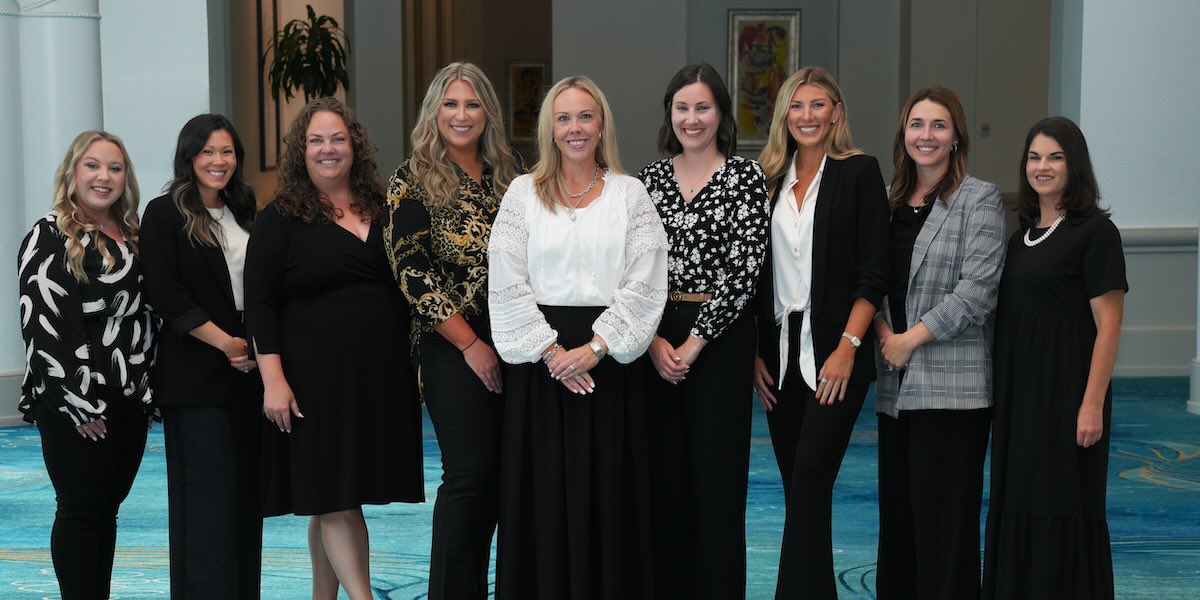
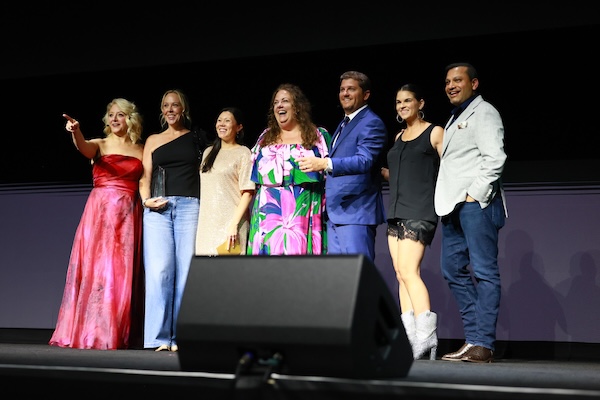
Forvis Mazars—winner of Cvent's Ace of Spaces award—exemplifies the power of deploying Cvent as a true enterprise platform. Passkey alone saved hundreds of planner hours on a single flagship event by automating thousands of hotel reservation modifications—and hundreds of hours across multiple planners over the past year, the equivalent of weeks of recovered capacity. On the sourcing side, they saw a significant compression of the traditional sourcing timeline, with consistency and multi-program savings built in. At the program level, the Cvent Budget module and Power BI integration delivered millions in documented cost avoidance—giving leadership the confidence and data to continue scaling the program responsibly.
Katie Brown, Forvis Mazars’ senior meetings, events and travel planner, provides added insight.
What was the turning point that made your team realize you needed a more connected, enterprise-wide approach to sourcing, housing, budgeting and event operations?
While we’ve been using Cvent since 2018 for sourcing and registrations, the turning point came in 2024 when we were simultaneously facing unprecedented sourcing pressure, increasingly complex space requirements and growing operational demands across our meetings portfolio. We were sourcing 200+ programs in highly constrained markets, managing thousands of hotel reservations manually, and spending significant time validating whether venues could actually support our meeting requirements. While our team was still delivering successful events, it became clear that how we were getting the work done would not support the scale, governance and speed the organization needed moving forward. We recognized that to continue growing responsibly, we needed a unified technology ecosystem that connected sourcing, space planning, housing, budgeting and reporting into a single operating model.
The award recognizes excellence in event space strategy. How did event design factor into your use of Cvent Event Diagramming, especially when evaluating whether venues could support the attendee experience and meeting objectives?
Event design became a critical pre-contract decision-making tool rather than a post-contract activity. Our Level Training programs required up to 22 breakout rooms operating simultaneously, each with specific layouts, technology requirements and attendee flow considerations. Using Cvent Event Diagramming during venue evaluation allowed us to visualize how attendees would experience the space before advancing a property through the sourcing process. Instead of simply comparing square footage, we assessed how well each venue could support learning objectives, room transitions, accessibility and overall program flow. This approach ensured that space planning was directly connected to the attendee experience and helped us identify venues capable of delivering the type of highly interactive learning environment our programs require from the very beginning.
Your team used Event Diagramming earlier in the sourcing process rather than waiting until after contracting. How did that shift change the way you assessed venues, collaborated with AV partners and avoided late-stage surprises?
Moving Event Diagramming upstream into the sourcing phase fundamentally changed our decision-making process. Rather than waiting until after contract execution to dig into the meeting space, we created standardized room templates to test venue feasibility or eliminate properties quickly across multiple proposals before negotiations advanced.
The shift also improved collaboration with our third-party AV partner. Because Event Diagramming provides a shared, real-time planning environment, our AV team could evaluate technical feasibility during the venue assessment stage rather than after contracts were signed. That transparency eliminated lengthy email chains, reduced uncertainty and ensured everyone was working from the same source of truth. Most importantly, we avoided costly late-stage redesigns and room reconfigurations because space validation was completed before commitments were made.
Passkey appears to have played a notable role in reducing manual housing work and improving compliance. What did that change mean day to day for planners managing large-scale programs?
For planners, the impact was immediate and significant. Before Passkey, room block management required extensive manual effort across spreadsheets, registration reports, reconciliation processes and individual email requests. Managing thousands of room nights and reservation changes created both workload challenges and compliance risks.
With Passkey, reservation modifications, waitlists, inventory controls and exception management became automated and rules-based. For our 2025 flagship conference, reservation changes were processed directly through the platform and communicated automatically to hotels, eliminating countless hours of manual intervention. Beyond the time savings, planners gained confidence that lodging policies were being consistently enforced and that only approved hotel spend was being captured. The result was less time spent on administrative tasks and more time available for attendee experience, stakeholder engagement and strategic event planning.
Looking back at the measurable impact—from planner hours saved to cost avoidance and stronger governance—what are you most proud of, and what advice would you give other organizations trying to modernize their meetings program?
What we are most proud of is that we did not simply implement technology. We transformed the way our meetings program operates. By bringing sourcing, event diagramming, housing, budgeting and reporting into a connected ecosystem, we created measurable business outcomes including documented cost avoidance, substantial planner hours saved through housing automation, stronger financial governance and the ability to scale our programs without increasing headcount.
Our advice to other organizations is to focus on building an integrated strategy rather than implementing individual tools. The greatest value comes when sourcing, planning, housing, budgeting and reporting work together as a connected system. Start by identifying your most manual and high-risk processes, establish consistent data standards and use technology not only to improve efficiency but also to generate insights that support better business decisions. When technology becomes a single source of truth, it enables scalability, stronger governance and measurable ROI across your entire event portfolio.