Christoph Tessmar believes the next generation of destination-event collaboration will involve using technology not to replace human interaction, but to make those connections more relevant, meaningful and longer-lasting.
Tessmar, director of the Barcelona Convention Bureau, has been involved with the meeting industry for more than three decades and is a member of the ICCA (International Congress and Convention Association) board of directors. He says the “Tech Meets Tourism: Barcelona as a Launchpad for MICE Innovation” session at MPI’s 2026 European Meetings & Events Conference (EMEC)—a forward-looking conversation about how the city’s dense ecosystem of startups, digital pioneers and international events is reshaping the MICE sector—was important because while technology is changing our industry extremely quickly, the conversation should be about more than technology.
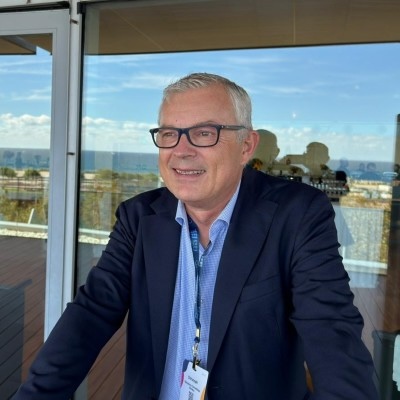
“The conversation should be about what we want to achieve with the technology,” he says. “Bringing that discussion into EMEC was particularly relevant because event professionals are in a very interesting position: we create temporary communities that bring together thousands of people, ideas and organizations. Technology gives us new ways to understand those communities, personalize experiences, facilitate connections and extend the impact of an event beyond the days when people are physically together.”
One of the key messages from the session, according to Tessmar, was that technology should be an enabler, not the objective.
“The real question is how we use it to create better experiences, stronger connections and greater impact,” he says. “For me, another important takeaway was the need to connect events more closely with the destinations that host them. In Barcelona, we want delegates to experience the city, of course, but we also want them to connect with the city with our knowledge, companies, research, talent and communities.”
Contributing to the evolution
Barcelona has been working for many years to bring tourism, technology, innovation and the wider knowledge economy closer together, Tessmar says, noting this has not happened overnight.
“The city has developed a very strong technology and innovation ecosystem, with universities, research centers, start-ups, international companies and major platforms such as the Mobile World Congress all contributing to that evolution,” he says.
At the same time, the approach to tourism has also evolved, according to Tessmar.
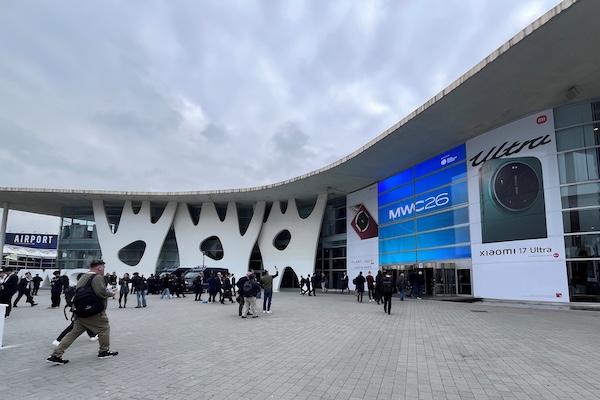
“Today, it is not simply about attracting more visitors; it is increasingly about attracting the right activity, generating value for the city and creating stronger connections between visitors and Barcelona’s economic, scientific and social ecosystem,” he says. “Business events are a perfect example of where these two worlds meet. A congress or corporate event can connect international professionals with local companies, researchers, entrepreneurs and institutions, creating opportunities that go far beyond the event itself.”
Looking ahead, Tessmar believes technology and particularly AI and the intelligent use of data will allow Barcelona to make those connections even stronger, while also helping to manage tourism and events in a smarter, more sustainable and more personalized way.
Connecting with knowledge and talent
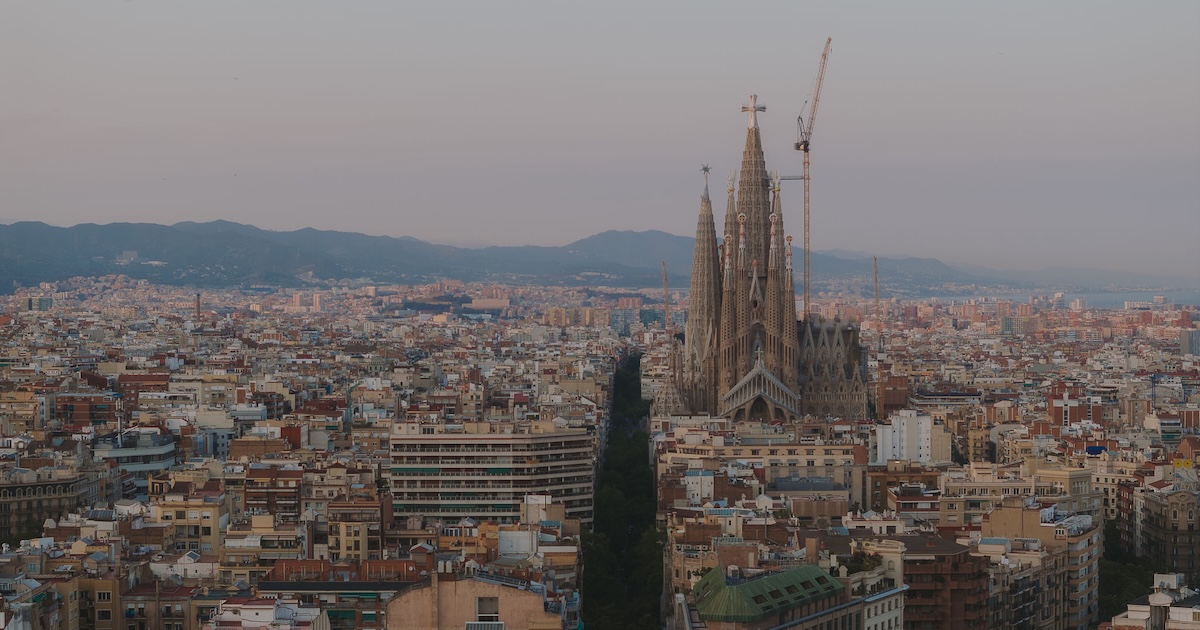
Barcelona is the right place for technology and tourism to converge because of very particular combination of assets, according to Tessmar.
“We are a major international tourism destination, but at the same time we have a powerful scientific, technological, academic and entrepreneurial ecosystem,” he says. “Technology here is not something separate from the city or something we simply showcase at events. It is part of Barcelona’s everyday reality.”
Internationally recognized universities and research centers, a dynamic start-up environment, important technology companies and strong clusters in areas such as digital technologies, health, life sciences, mobility and smart cities also contribute to the city’s success, according to Tessmar.
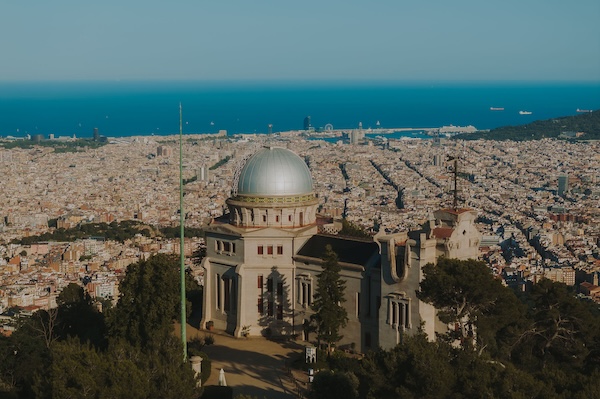
“And then there is Barcelona itself: it is compact, open, international and highly connected. That makes interaction between visitors, local talent, companies and institutions relatively easy,” he says. “For the meetings industry, this is particularly important. Increasingly, international organisations are not only asking, ‘Where should we hold our event?’ They are asking, ‘What can this destination add to our event?’”
That, Tessmar says, is where Barcelona can be very powerful.
“We can connect an event with the knowledge, talent and innovation already happening in the city,” he says.
Photos © Turisme de Barcelona.