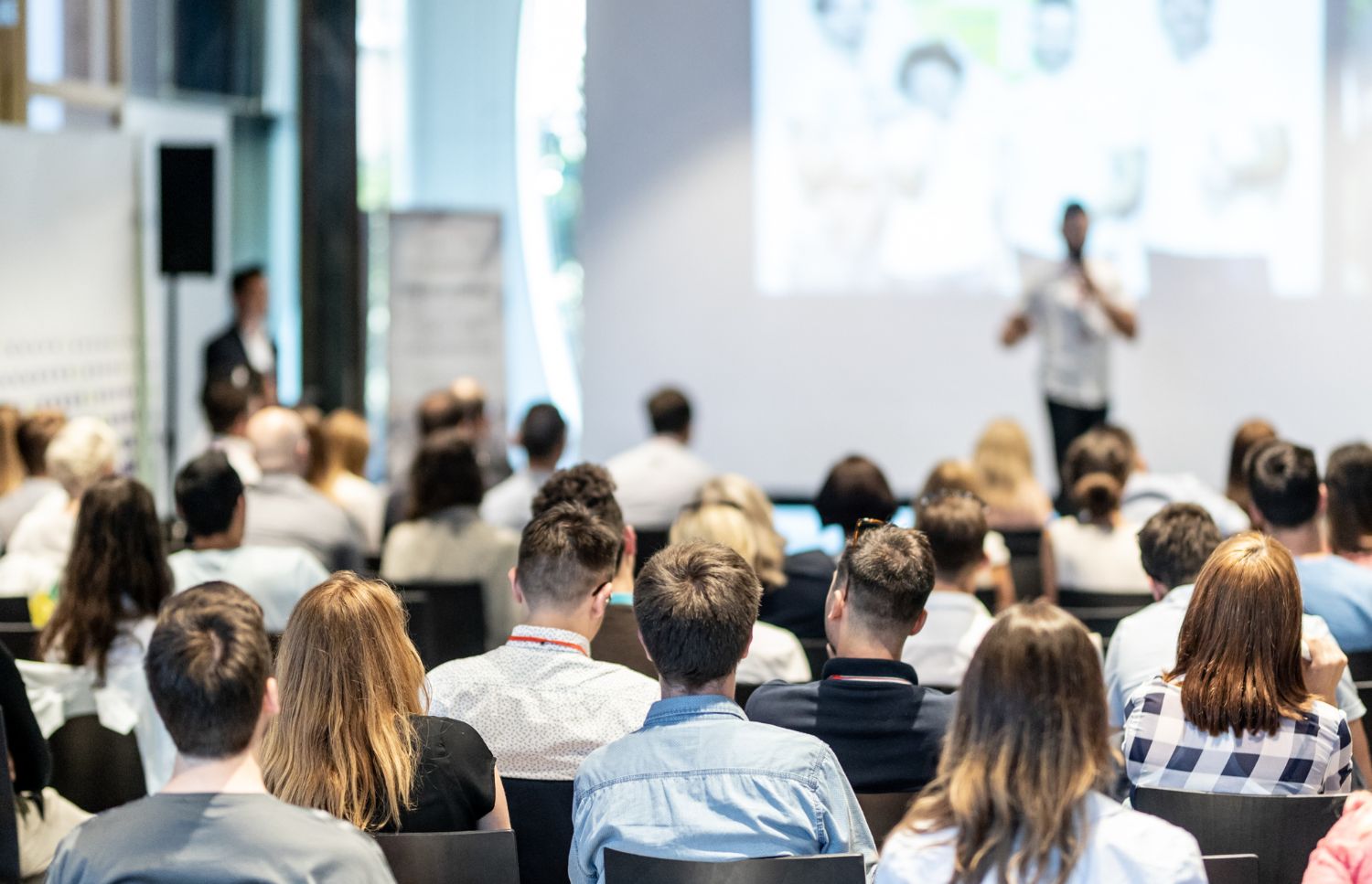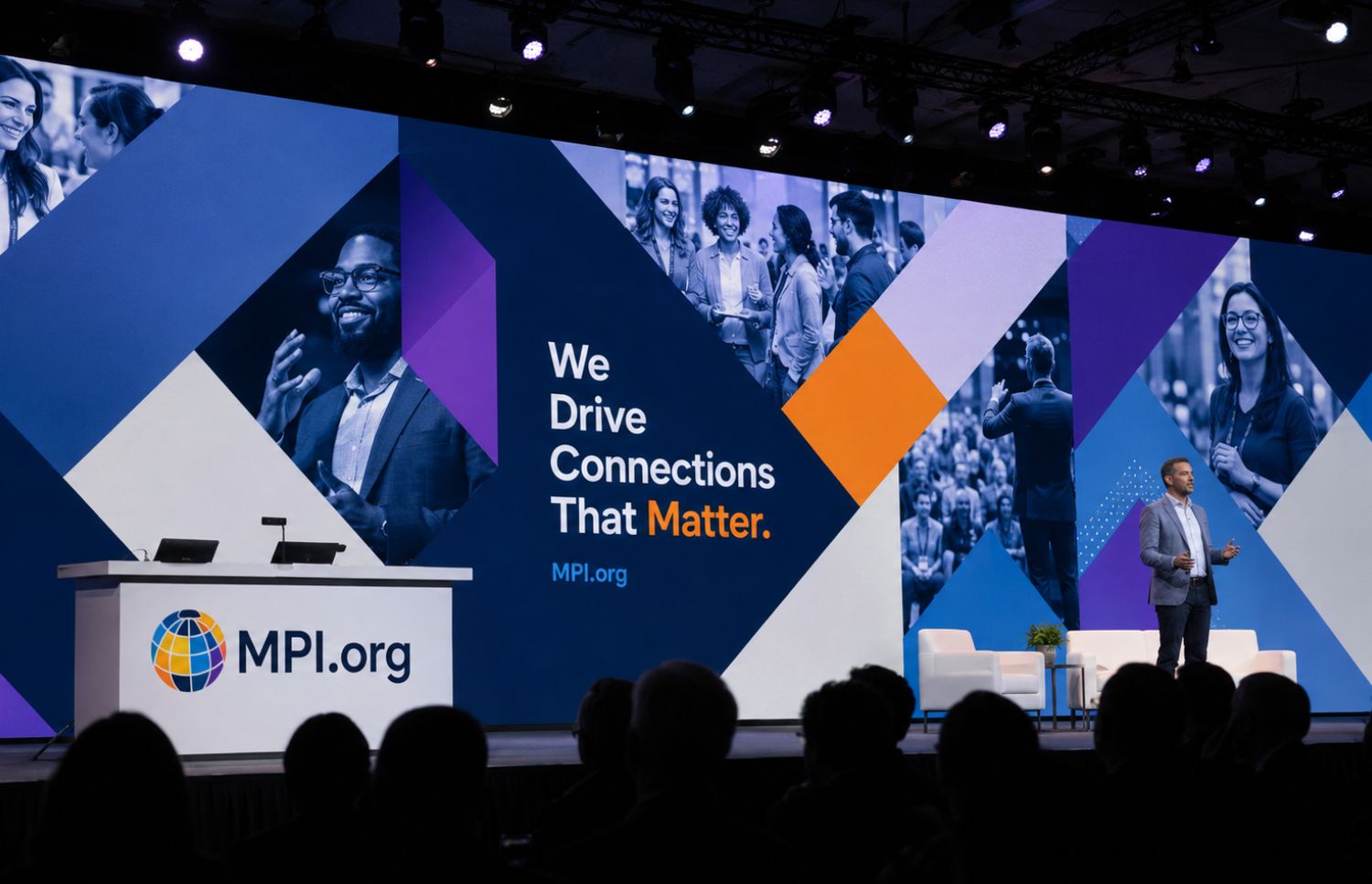
"Experiential" may be the most overused word in live events. Every brand asks for it, and every agency promises it. Yet look closely at most so-called experiential programs and you will find a familiar setup: a speaker, a stage, a slide deck, and an audience watching from their seats.
That is not a failure of creativity. It is a failure of starting point. Most events are designed around the message the organizer wants to deliver. The strongest events are designed around the people receiving it. Your audience is not bored. They are underserved.
Presentational vs. experiential
A presentational event moves information in one direction. The audience receives. An experiential event invites the audience to act: to explore, choose, build, test, or talk. Both have a place. A CEO update or an awards program may need to be presentational. A product launch, sales kickoff, or customer summit usually calls for more.
The mistake is defaulting to one format without asking which your audience actually needs. Before you lock an agenda, map your event against two questions:
- How much does the audience need to do, not just know, when they leave?
- How much control can you hand them over pace, path, and interaction?
Low on both, and a well-produced general session is the right call. High on both, and you should build environments people move through and shape themselves. Most events land somewhere in between, and that is where intentional design matters most.
Three priorities that guide the work
At Staging Solutions, we have applied this thinking to programs for Shell, Microsoft, Diebold Nixdorf, and other Fortune 1000 brands. Three priorities keep every project grounded.
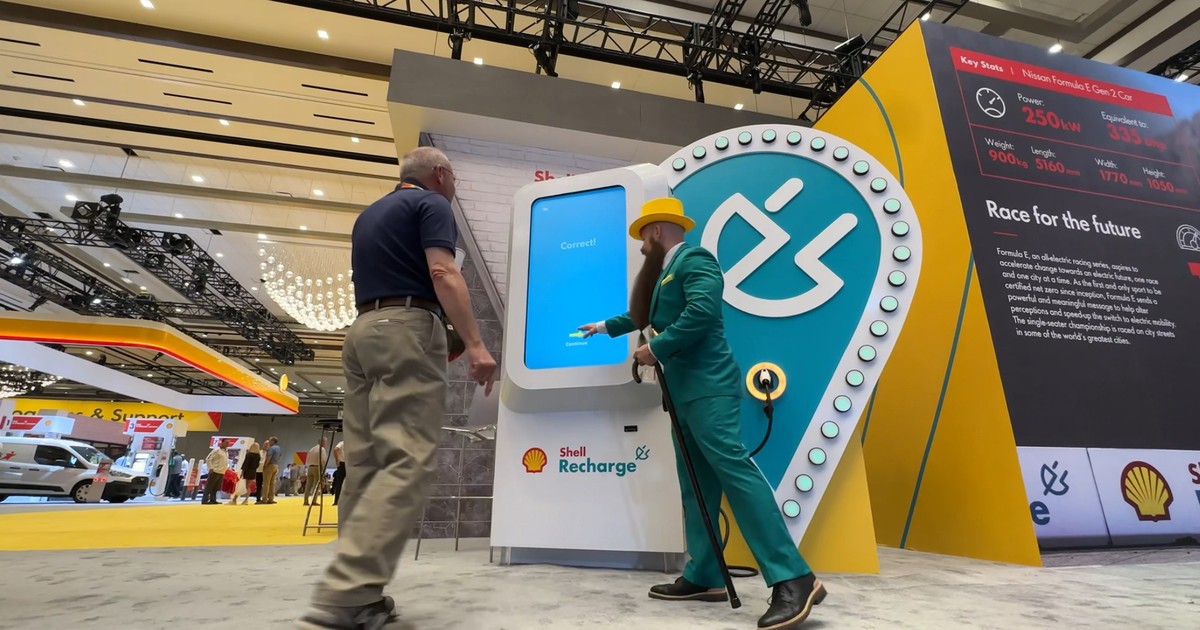
1. The audience is the driver. Start with the attendee's point of view. What will they notice first? How will they move through the space? Where are the moments for interaction and reflection? Those answers shape everything from the floor plan to content delivery. For a Shell Recharge activation, that meant turning an explanation into a hands-on moment attendees controlled themselves. When people drive the interaction, the message sticks.
2. Add value to the brand. Every event is a chance to reinforce what a brand stands for. Visual identity should not be applied at the end like a coat of paint. Build a design language that matches the brand's tone, message, and purpose from the start, so every element feels cohesive and intentional to the people in the room.
3. Be exceptional. Exceptional does not mean complicated. It means a high standard across three areas:
- Design is the foundation. It determines how people move, where attention goes, and how the space supports the content.
- Visualization aligns everyone before anything is built. Renderings and mood boards give stakeholders a shared reference, which cuts ambiguity and speeds up decisions.
- Execution is where the vision becomes real. Keeping fabrication, technical production, and installation under one roof means fewer handoffs and fewer surprises on site.
Questions to bring to your next planning meeting
- What should attendees do differently after this event?
- Where in the agenda are they watching when they could be participating?
- Which session or space could hand control to the audience?
- Does the environment reflect the brand, or just display the logo?
Answer those honestly and you will know where your next event belongs on the spectrum.
The bottom line
Experiential is not a buzzword or a budget line. It is a strategic choice that starts with the audience. Prioritize the people in the room, represent the brand with intention, and execute with care, and the experience does what it is meant to do: connect.
About Staging Solutions
Staging Solutions is a full-service event and experience company based in Houston, Texas, with nearly 30 years in live events. Our teams handle event production, creative services and content, and scenic design and fabrication under one roof, helping brands connect with their audiences on stage, on screen, and beyond. Learn more at stagingsolutions.com.