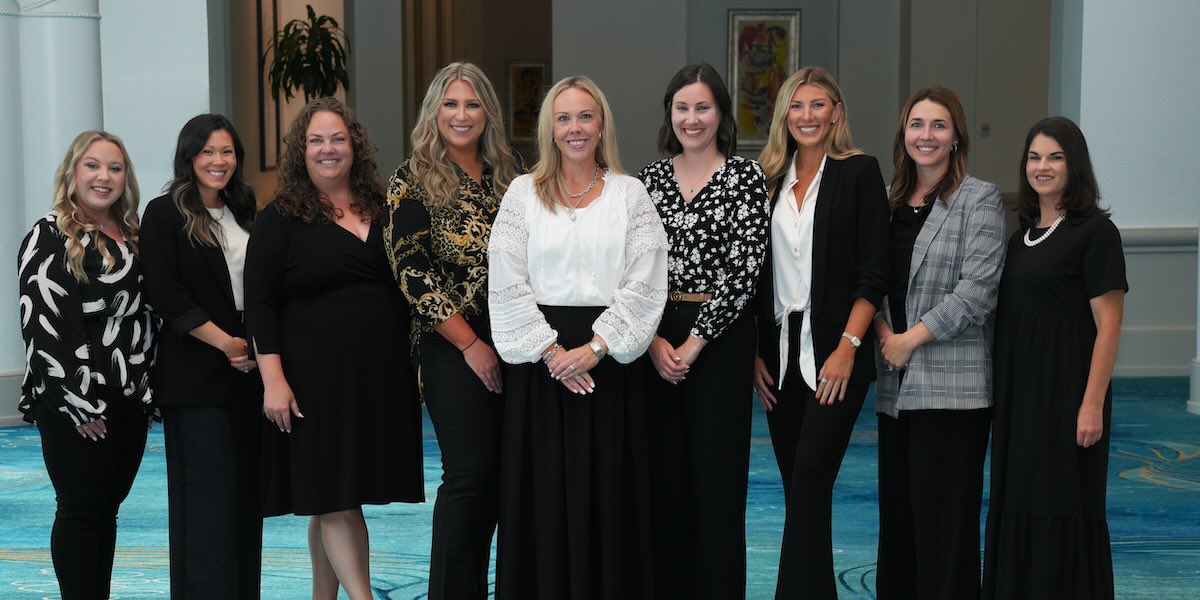
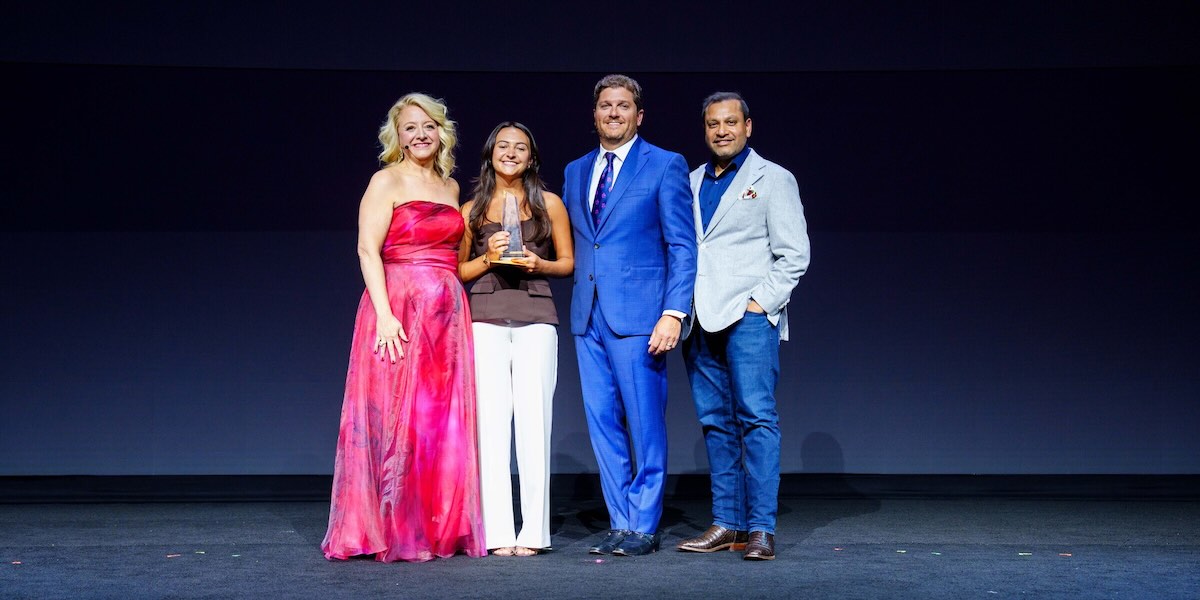
Under the guidance of Andrea Sorbello, meetings and events coordinator, United States Tennis Association (USTA)—recipient of 2026 Cvent's Advocate of the Year Award—winner of powered streamlined registration experiences, strong engagement rates and workflows that dropped administrative hours dramatically per event. Sorbello re-positioned herself from event coordinator to strategic advisor and is now a resource leadership turns to for data-driven recommendations on program performance. She helped turn a fragmented, manual event operation into a connected, scalable platform ecosystem—without a large team, massive budget or organization-wide mandate. Sorbello represents the power of having a clear vision of what the technology could do—and the persistence to prove it. Here, she shares more of this journey. We reached out to her to learn more about this award and what it means to her.
What did receiving the Cvent Advocate of the Year award mean to you and the USTA events team?
Receiving this award is an incredible honor and a deeply validating recognition of the hard work, strategy, and care that myself and my team puts towards our events. Being acknowledged as Cvent Advocate of the Year reflects the meaningful impact that implementing these tools has had on our operations and, most importantly, on the experience of our attendees.
How did you build buy-in across multiple departments and persuade teams to adopt a more unified approach to event management?
While I wasn't directly driving organizational change management, I found that leading by example made all the difference. As our department demonstrated clear success and efficiency, other teams at USTA naturally took notice. We're excited to build upon and unify our event strategies companywide through Cvent.
From an event design perspective, how did tools such as Attendee Hub, real-time updates, interactive maps and streamlined check-in change the attendee experience?
Using these tools helped us to transform our attendee experience from an event-wide standard, to a personalized approach. Features like push notifications in the Attendee Hub and interactive maps in the mobile app empowered attendees to navigate and create their own experience within our conferences. Streamlining the registration and check-in process set a high-touch tone from the moment guests received their invitation to when they arrived on-site. Ultimately, the technology allowed us to craft intuitive, user-friendly environments where attendees could focus entirely on connecting, learning, and enjoying the event.
What measurable improvements—such as reduced administrative time, faster registration, stronger engagement or better visibility across events—have been most meaningful to the organization?
The most significant improvement has been the reduction in manual administrative time across reporting, attendee registration, and data collection. As we've begun to automate these processes, our team has been able to focus more on the smaller details that make attendees feel like their time is being valued. Having centralized, reliable event data also gives our leadership better visibility across all operations.
Looking ahead, how will USTA continue using technology, data and cross-departmental collaboration to create more scalable and meaningful event experiences?
We are continuously focused on improving and making the most of the tools we already have. We want to keep looking at attendee data to figure out what worked, what didn't, and how we can make our future events even better. As more departments start using these tools, the goal is to keep everyone on the same page so we can run smoother events and give every guest a great experience without reinventing the wheel every time.