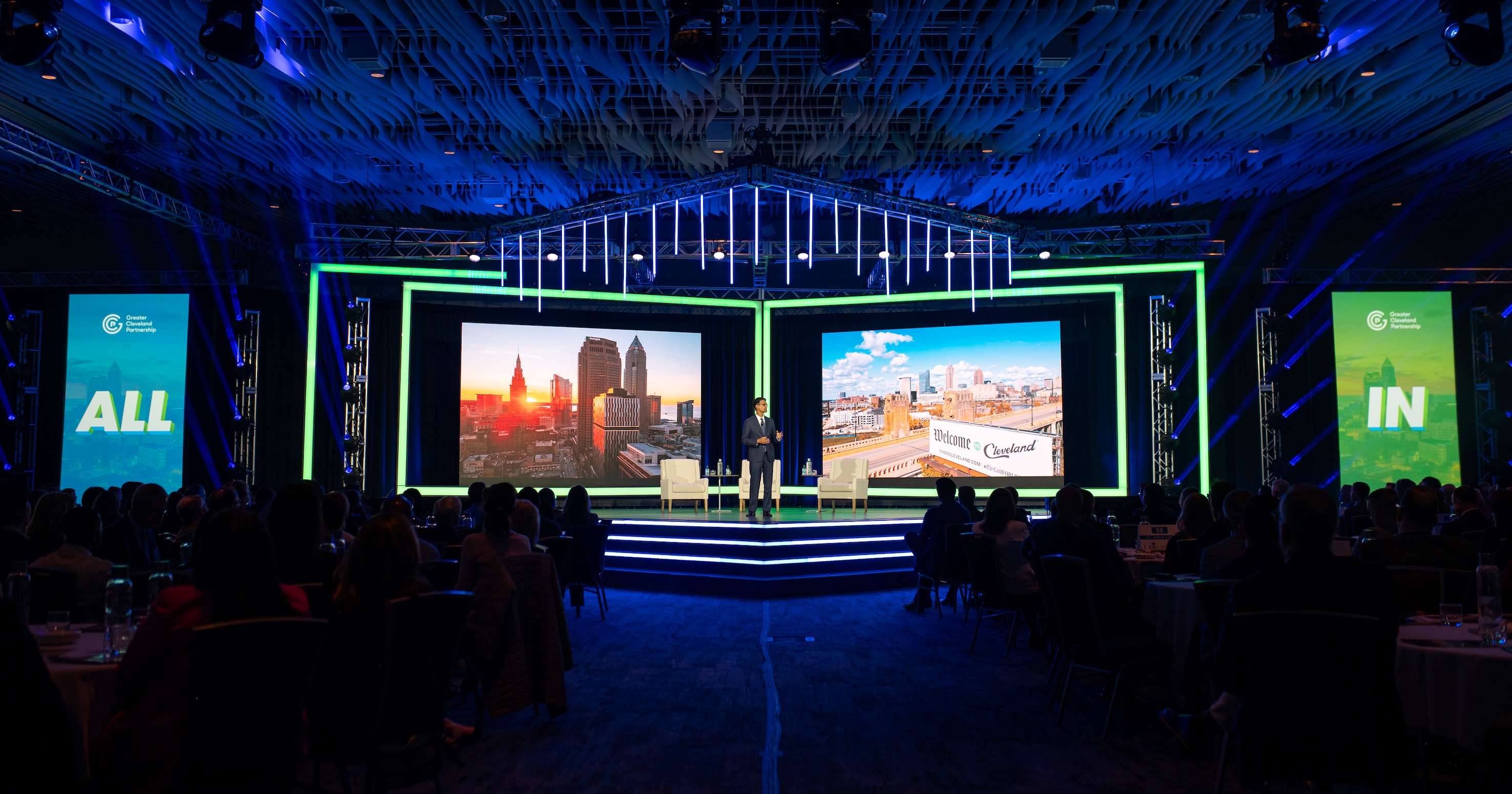
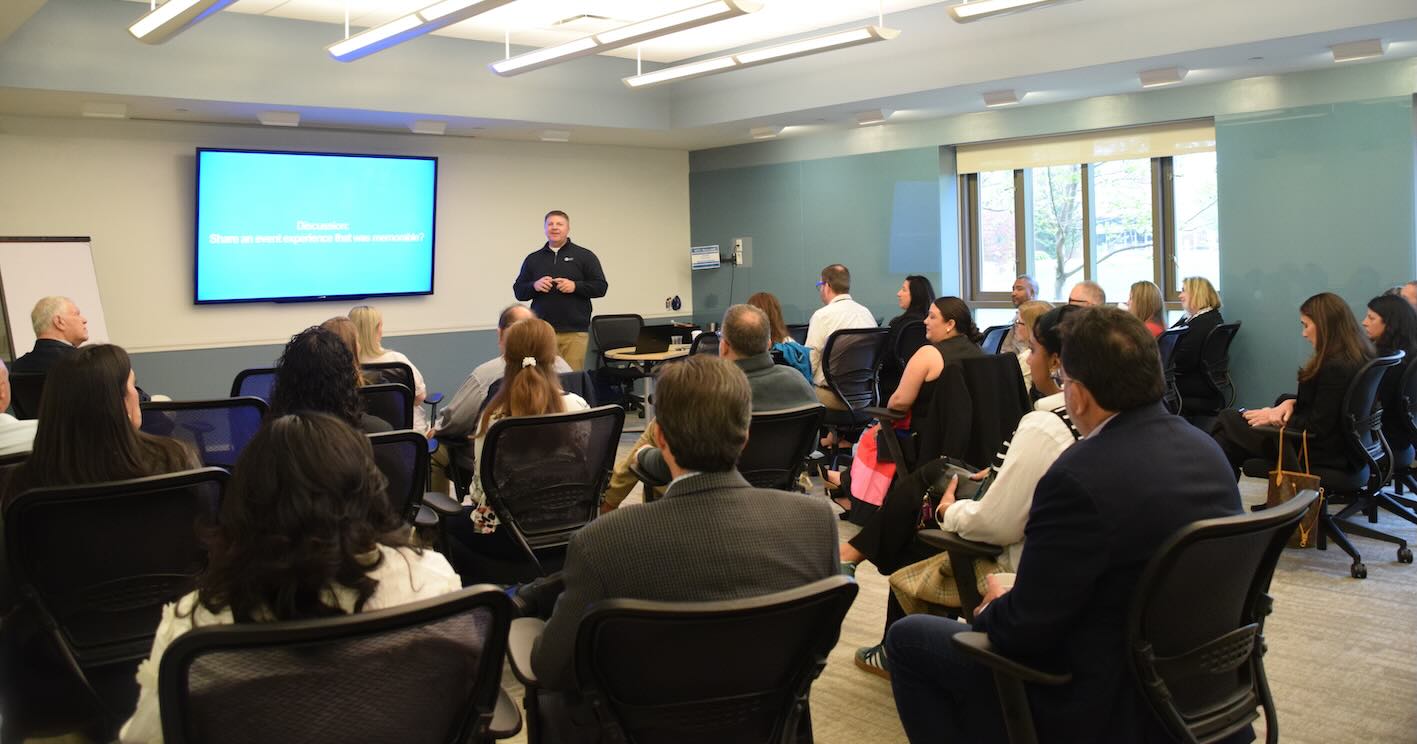
Why do some TED talks go viral, while others don’t? When Tim Luepke, CMP, director of the MPI Academy, studied hundreds of TED talks, he discovered an unexpected common thread among the top 10. They had 465 hand gestures during the customary 18 minutes, compared to 226 for the least-viewed talks. He concluded that using hand gestures reinforces content.
“So, if I use my hand gestures…it’s like, ‘I know my content so well that I’m going to reinforce it with my hands,’” Luepke explained in “Trust is the New Value: What Planners Want from Conference Centers,” a breakout session he gave at IACC Americas Knowledge Exchange 2026, a three-day, immersive experience for 200 attendees held at the Windrose on Hudson in Ossining, N.Y., April 20-22. “They use it at strategic points in time.”
Ultimately, showing hands telegraphs trustworthiness, he explained, pointing to research that indicated using hand gestures carries 12.5 times the weight of not using hands with audiences.
Knowing how to telegraph trustworthiness is just as important for venues who want to attract conferences and events as it is for keynotes giving TED talks, according to Luepke.
“Trust is a competitive advantage,” he said. “Trust is deliberate. It is built intentionally.”
Mark Cooper, CEO of IACC, said the organization’s events and Meeting Room of the Future research have highlighted a clear shift in meetings.
“Meetings aren’t just about bringing people together anymore, they have to deliver real value,” Cooper said. “They have to be engaging, purposeful and worth people’s time—forging deeper relationships between attendees. So, the Knowledge Exchange program focused on a few key areas—future readiness with AI and innovation, people and leadership and the role of trust and experience. We wanted attendees to leave with ideas they could actually take back and use straight away.”
Clients want more
For many meeting professionals, balancing rising expectations and operational pressure is a major concern, Cooper noted.
“Clients want more—more personalization, better service, seamless tech—but venues are also dealing with tighter budgets and resource constraints,” he said.
The pressure to keep up with the pace of change—from AI to new meeting formats to changing attendee behavior—is adding to the challenge, raising questions about how to implement new ideas, not just talk about them, he added.
“That’s where IACC plays an important role, bringing people together to share knowledge and learn from each other,” Cooper said.
Against this backdrop, price, space and amenities are no longer the main drivers of where to hold a meeting, according to Luepke, who believes trust—when it comes to ease of working together, flexibility, partnership and confidence in a venue—has become a high priority for meeting planners and organizers alike, helping them to navigate an increasingly complicated business environment.
“It is a beautiful ecosystem, but there is a lot of complexity to it,” he said. “We’re not curing cancer or heart disease, but our roles are very important. It is a very complex industry we’re in. It boils down to trust.”
Creating better experiences
The good news is that trust is something that conference centers can design for, Luepke noted, starting with understanding planners’ responsibilities and empathizing with them. Planners need to deliver the right vibe and experience, learning opportunities, opportunities to do business and networking to deliver a successful event, keeping in mind the two or three key stakeholders likely to attend.
Venues that keep the planner’s agenda in mind will have an edge, he explained.
“If the organizer or planner wants to do something innovative, what can the planner or venue do to support that idea so it can come to life?” he said.
The key, according to Luepke, is understanding how expectations on flexibility, communication, contracting, technology and service delivery have changed. What venues do to reduce friction can influence every stage of the relationship and bring a measurable competitive advantage, he explained, particularly as the management of both time and people are challenges for many in the industry.
For instance, with the top reason people come to business events now being “immersive experiences,” venues that offer ideas on this front will be valuable resources. Luepke pointed to the Savannah Bananas, an exhibition baseball team with a large following, as one of the popular draws because they are “making the game fun again.”
Beyond the theoretical
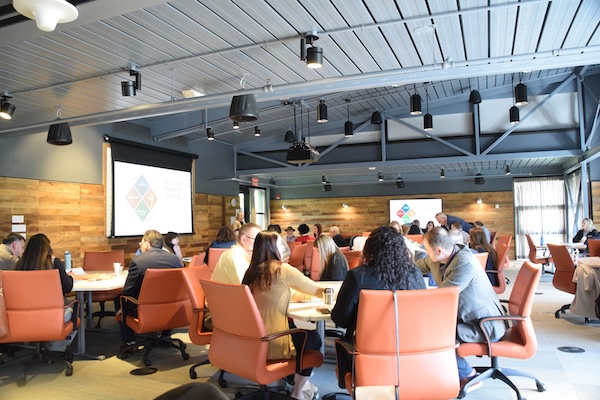
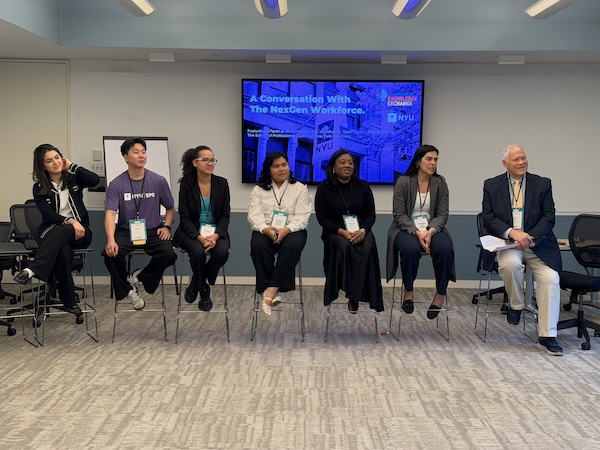
In the “Operations Innovations” breakout sessions, Knowledge Exchange attendees got to experience concepts including one that shifted workforce models from fixed teams to flexible, on-demand talent structures; data-driven food and beverage operations such as smart draft systems that reduce waste, improve speed of service and raise profitability; and strategic ideas like the “seed to soul” hospitality model, a sustainable approach that brings together agriculture, food production and the guest experience.
“What links all of these is that they’re not just theoretical—they’re very tangible ways of improving efficiency, reducing waste and enhancing the guest experience at the same time,” Cooper said. “And that’s really the direction we’re seeing across the industry. Innovation isn’t just about new technology—it’s about rethinking how operations work to deliver better outcomes.”
Looking ahead, IACC will continue to focus on strengthening the community, according to Cooper.
“The industry is changing quickly, but at the end of the day, meetings are still about people,” he said. “Our job is to make sure the environments we create help them connect, collaborate and get the most out of that time together.”