Put a spotlight on our amazing Chapter members!
Nominations due by Oct 30

Taking a Stand Against Human Trafficking
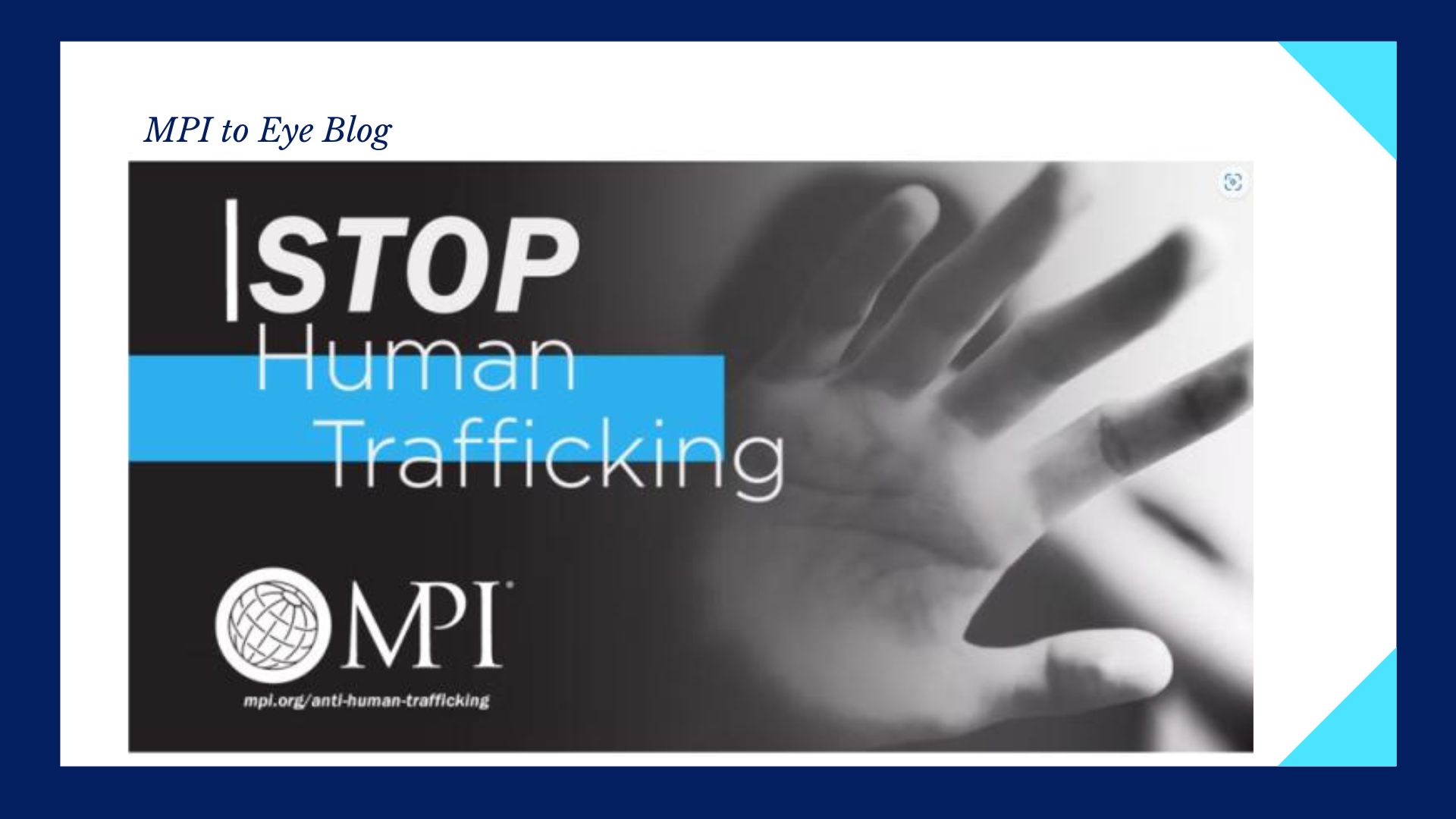
From the MPI Anti-Human Trafficking Committee
In today’s world, it’s difficult to believe that millions of people — including children — are still trapped in modern-day slavery through human trafficking. Meeting Professionals International (MPI) is committed to raising awareness and taking action, alongside several hospitality brands, to help end this global crisis of sexual and labor exploitation.
What is Human Trafficking?
Human trafficking is the second-largest and fastest-growing criminal industry in the world, surpassed only by drug trafficking. It generates an estimated $150 billion annually and affects more than 40 million people worldwide, including 5.5 million children. This crime involves the use of force, fraud, or coercion to exploit individuals through commercial sex acts or labor against their will. It is a form of modern slavery, where traffickers maintain control over victims through manipulation, threats, or physical abuse.
Who Are the Victims?
According to the International Labour Organization, there are 40.3 million victims of human trafficking globally. In the United States, the average age of entry into trafficking is 13 for girls and 11 for boys. Vulnerable groups often include:
- LGBTQ+ youth
- Victims of prior sexual abuse
- Runaway and homeless youth
More than 60% of victims are deceived or tricked into trafficking. Once exploited, they face devastating consequences — a 40% higher risk of death, a 77% likelihood of entering adult prostitution, and a heightened chance of involvement with the court and social services systems.
Why the Hospitality Industry Must Take Action
As global citizens and leaders in the travel and hospitality space, we have a duty to protect those most at risk. Failing to act can damage public trust, brand reputation, and the safety of both staff and guests.
Risks to the industry include:
- Negative publicity from trafficking cases
- Legal consequences and costly business interruptions
- Compromised safety if untrained staff intervene improperly
Proactively addressing this issue demonstrates corporate responsibility and safeguards both people and operations.
How We Can Help: Taking Action
With the rise of technology, trafficking now occurs both on the streets and online. Traffickers, buyers, and victims often see the travel industry as a place of anonymity and low risk. That’s why training staff is critical — empowering employees with knowledge improves response and reinforces a duty of care.
Recognizing the Signs of Trafficking - Human trafficking is rooted in cycles of abuse and control. Warning signs may include:
- A person appears disoriented, fearful, or unable to speak freely
- Someone seems to control another individual’s movements or communication
- Physical signs such as bruises, burns, or malnourishment
- Lack of access to food, water, rest, or medical care unless conditions are met
What to Do if You Suspect Trafficking - Do not intervene directly!
Confronting a suspected trafficker or victim can escalate the situation and cause harm to yourself, other travelers, or the victim. Instead, follow these steps:
🔍 Report and Record
- Observe and assess the situation discreetly
- Note:
- Date and time of the incident
- Descriptions of individuals involved (tattoos, clothing, physical features)
- Any overheard names or nicknames
- Details of the situation and any suspicious behavior
- Vehicle details, including license plates
🚨 Report Immediately If There’s Danger
- Call 911 if someone is in immediate danger
- In a hotel, notify the front desk or management
- On a plane, report to a flight attendant or security
- Call the National Human Trafficking Hotline at 1.888.373.7888 or text "Help" to 233733
- Report to the National Center for Missing and Exploited Children at 1.800.843.5678 or cybertipline.org
Resources for Further Support
Hospitality professionals, business leaders, and travelers can play a vital role in the fight against trafficking. For tools, training, and resources, visit: 👉 www.mpi.org/tools/anti-human-trafficking
Together, we can create safer spaces and help bring an end to human trafficking.
Author

Leave a commentOrder by
Newest on top Oldest on top