
Inclusive events can help a brand reach people it might otherwise miss. When planners reduce barriers and design for a wider range of needs, more people can attend, participate and stay engaged. That can improve not only the event experience, but also the way people view the brand behind it.
Brand reach is not only about visibility. It is also about who feels welcome enough to join the experience and return in the future. If the program, venue, communication style or attendee journey leaves some people out, the brand may be limiting its own impact without realizing it.
Inclusive events expand who feels welcome
A wider audience does not happen by accident. It usually comes from a series of choices that make participation easier and more comfortable for more people. Those choices may include better accessibility, clearer communication, more inclusive food options, thoughtful scheduling and speaker lineups that reflect different perspectives.
These details matter early. Attendees notice who is represented, what needs are anticipated and whether the event feels easy to navigate. When more people can picture themselves fully taking part, the brand has a better chance of growing its reach in a meaningful way.
Inclusive events strengthen belonging
Attention alone does not create a connection. An event may attract interest, but that interest will not last if attendees do not feel respected upon arrival. Inclusive events help close that gap by making belonging part of the experience rather than an afterthought.

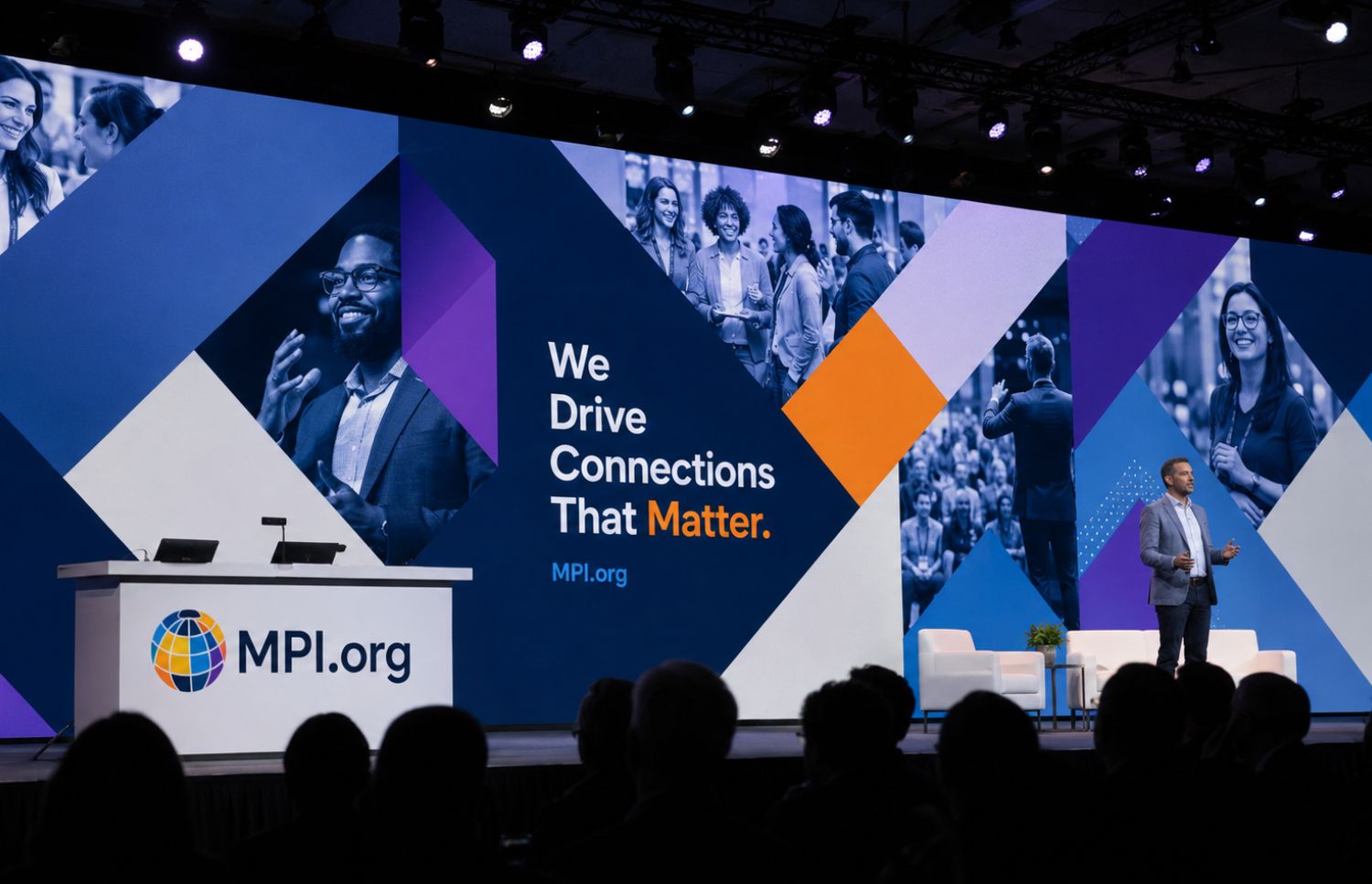
That sense of belonging can shape how people remember the event and the brand behind it. MPI has framed inclusion in similar terms, describing true inclusivity as creating environments where people with different cognitive styles, sensory needs and lived experiences feel welcome and able to thrive. MPI also emphasizes that inclusion should be evident throughout the entire experience, not only in a single visible feature.
Better inclusion can improve event performance
Inclusion is often discussed as a values issue, but it also affects business results. When events are easier to access and engage with, they can support better attendance, stronger participation and more positive word-of-mouth. That gives brands a stronger chance to build trust and stay relevant after the event ends.
It can also shape what happens after the event. When attendees feel comfortable, respected and able to participate fully, they are more likely to stay engaged, recommend the experience and return in the future. That gives inclusion a practical role in both event performance and long-term brand impact.
This is one reason many teams now treat inclusion as part of performance, not as a side initiative. Better design can improve satisfaction, strengthen loyalty and help brands connect with a broader audience over time. Inclusive planning is not separate from impact. It helps shape it.
Plan inclusive events early
Late fixes can help, but they rarely produce the strongest result. Inclusive events work better when planners consider barriers as the event is still taking shape. That means reviewing the audience, checking for potential friction and deciding early on how to make participation easier.
This can influence registration, signage, room setup, food and beverage planning, session formats and speaker preparation. It can also improve digital access. W3C’s guidance on making events accessible also shows why planners should review accessibility before the event takes shape.
Use a practical review during planning
A simple review can make inclusive planning easier to apply, especially while the event is still taking shape. It gives teams a practical way to test whether the current plan supports a wider range of attendee needs or creates friction that may be easy to miss during early planning.
Instead of waiting until registration opens or feedback comes in after the event, planners can use that review to catch gaps while there is still time to adjust the experience. Teams should ask:
Who may be left out by the current design?
What assumptions are shaping the attendee experience?
Which parts of the event create friction?
What changes would make participation easier?
This kind of review keeps inclusion practical. It also helps teams move beyond general intentions. Instead of waiting for feedback after the event, they can make better choices while there is still time to improve the experience.
Build inclusive events into the process
Brands usually see stronger results when inclusion becomes part of the event strategy, not a final checklist item. That requires a repeatable process. Teams need to ask better questions during planning, make room for different attendees' needs and review what worked after the event.

This is also where focused training can help. MPI’s Inclusive Event Strategist certificate is designed to keep inclusion at the center of event design and execution. The program explores dimensions of diversity, supports practical action and helps event professionals turn inclusion into a more consistent part of planning.
Broader impact starts with better design
Inclusive events can broaden a brand’s reach by making more people feel the experience was built with them in mind. That can affect attendance, participation, perception and long-term loyalty. When inclusion becomes part of the design rather than a last-minute fix, the event becomes stronger for more people.
For teams that want to make that work more consistent, explore the Inclusive Event Strategist certificate. It offers a practical way to turn inclusive planning into a clearer process for event design, execution and improvement.