Meeting and event professionals are no strangers to making connections with diverse interests and collaborating on projects. But there’s always room for more, and we need to avoid risking ever becoming complacent.
Right from the opening session of the 2026 MPI European Meetings & Events Conference (EMEC) in Barcelona and through the subsequent plenary sessions and workshops, the one central theme running throughout this event is the need for us to remain curious, ask questions and connect with new people and new ways of thinking.
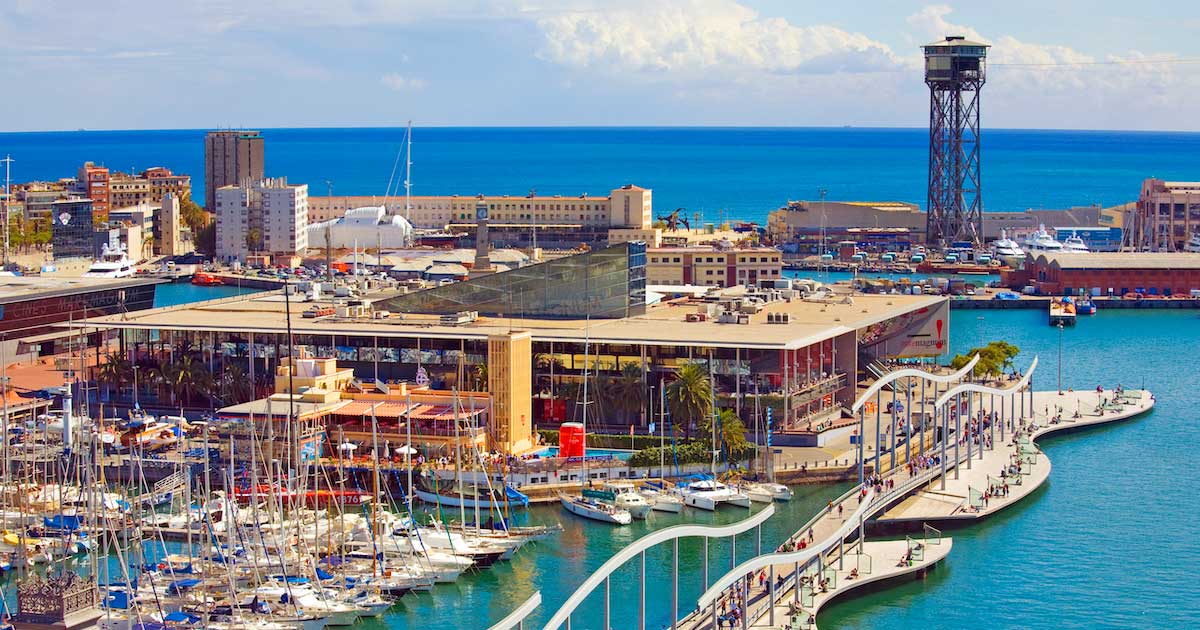
So, whilst the many and various attendees of EMEC have been making the most of their connecting and collaborating superpowers, so too has the ancient city of Barcelona.
It was during Barcelona Marina’s learning journey, where delegates were able to hear about and see some of the many innovations taking place in the Blue Economy and the waterfront regeneration, that this thought was clearly demonstrated.
Delegates on the learning journey were treated to a fascinating presentation by Santiago Garcia-Milá, sub director at the Port de Barcelona. A wealth of information was shared before it was time to get on board for a boat trip where we explored Barcelona’s waterfront as a real-world demonstration of the way that historic coastal districts can evolve intelligently through a combination of sustainable planning and environmental stewardship.
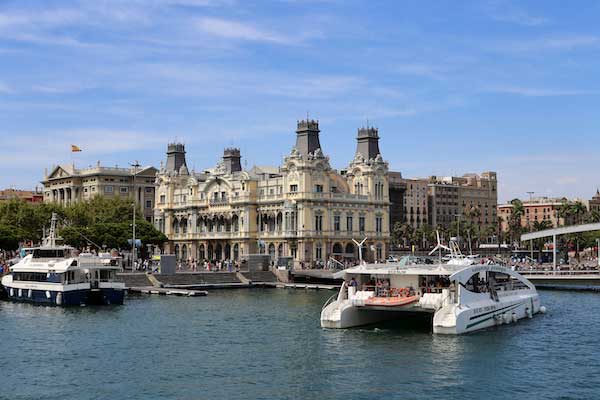
This short voyage through Port Vell and the surrounding marina area revealed the ways that this historic city has adapted its traditional harbour to support modern priorities such as ocean conservation, clean-energy integration and long-term coastal resilience.
Garcia-Milá's insights highlighted how cities balance ecological considerations with community use, tourism and industry needs. Rather than focusing on the marina as a venue, this experience highlighted the environmental strategies, challenges and cross-sector collaborations that meeting professionals can learn from.
What stood out was just how much Barcelona and a network of other ports around the globe including New York, Singapore and Rotterdam share ideas and best practices to help elevate the development of all ports.
Sure, there are times when friction occurs with the port authority and the city having different perspectives on some issues, but developments go ahead once common ground has been reached. For each activity that is undertaken, Garcia-Milá was keen to stress how it needed to show value as a return.
As the voyage continued, the impressive W Hotel came into view, and he delightedly informed delegates that the hotel is itself actually owned by the port authority. That struck several of the delegates present as a significant value driver.
The more that Garcia-Milá spoke, the easier it became to see how the regeneration project is a great case study for meeting professionals to learn from. Sharing and collaborating with a wide variety of stakeholders, connecting with partners and always keeping an eye on the value of an event are key considerations that delegates have long been familiar with. But sometimes seeing the familiar through a different lens, such as a boat journey around a newly regenerated port, can give us insights into novel ways to consolidate our own ideas and plans.
Photos courtesy Barcelona Convention Bureau.