Ask a planner what their job title means today, and the answer looks nothing like it did five years ago. The digital event strategist has emerged as one of the most in-demand roles in the meeting and event industry, blending logistics, technology and audience psychology into a single job description.
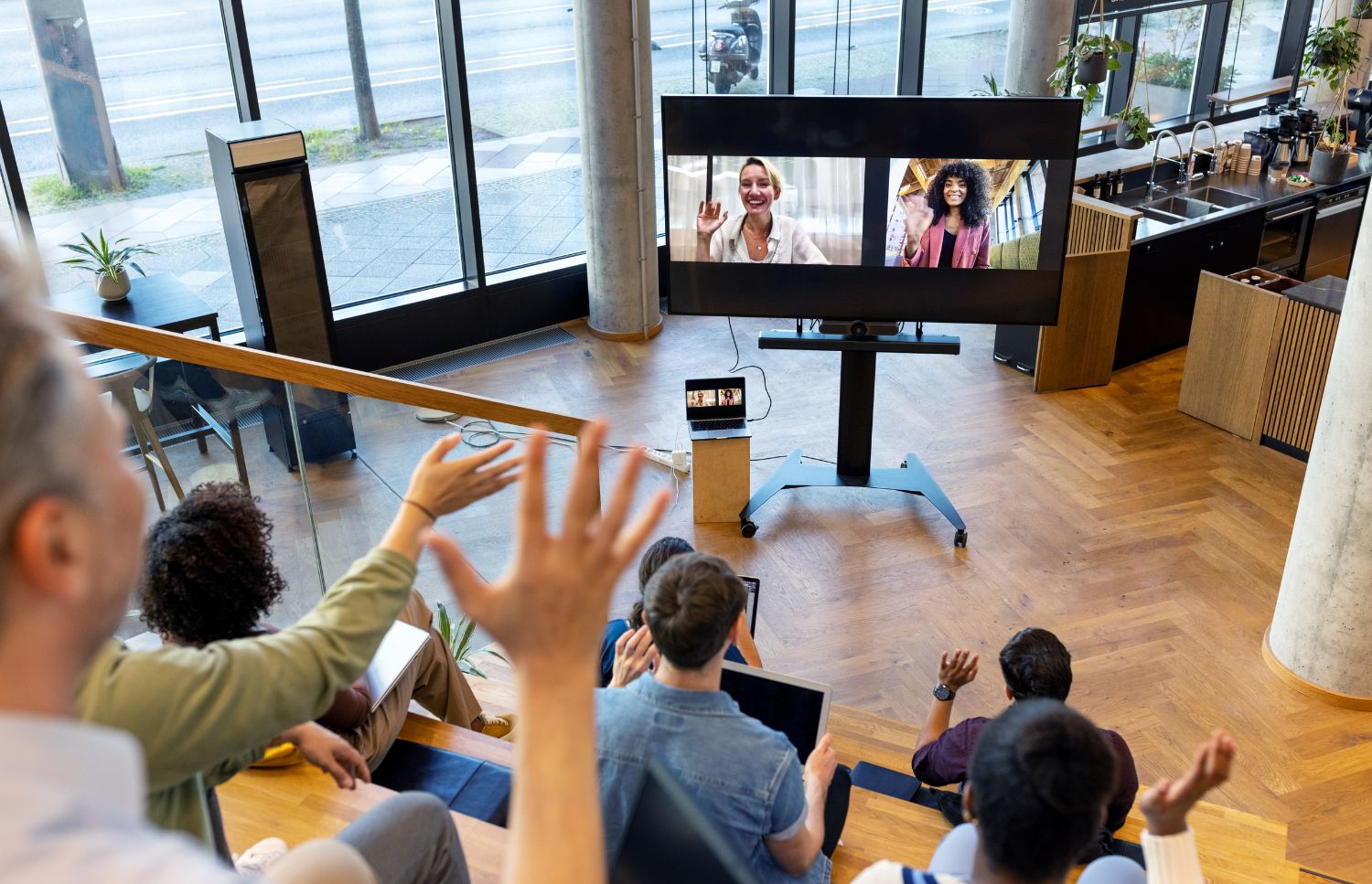
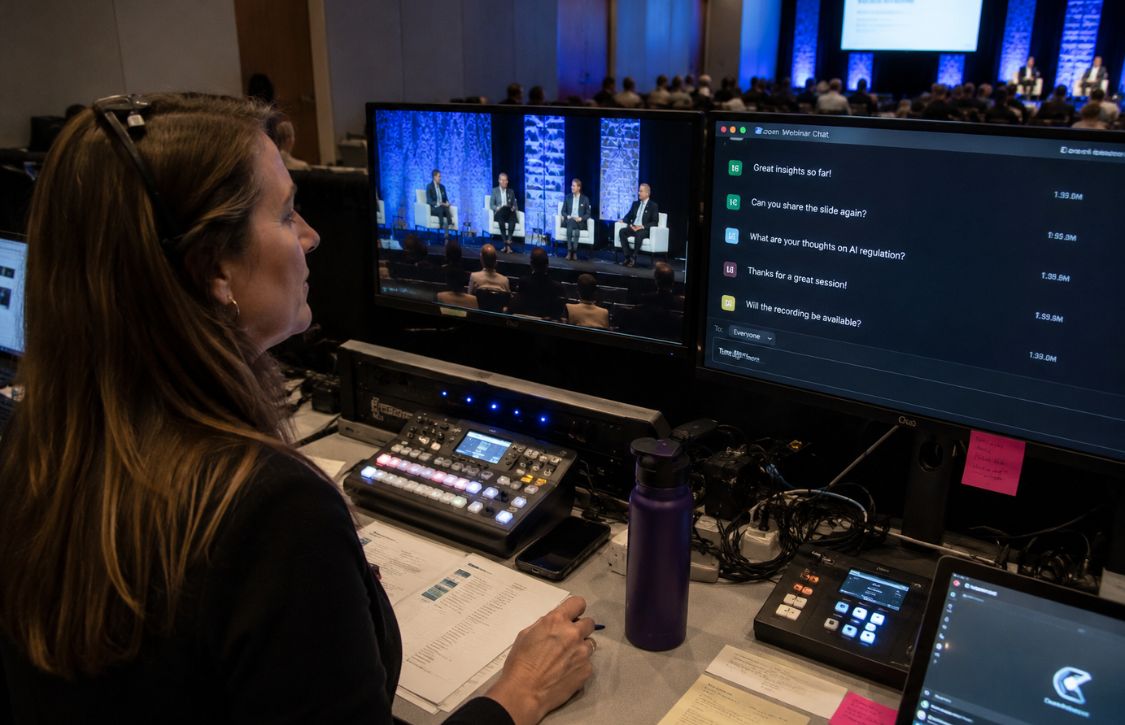
A digital event strategist is not simply the person who manages the streaming platform. Instead, this role designs the entire hybrid experience, from registration through post-event follow-up. They decide how in-person and virtual attendees will interact, and they build the tech stack that makes it possible.
Recent industry data shows just how blended these responsibilities have become. According to Cvent's 2026 event statistics report, 61% of meeting professionals took on both strategist and delivery duties in 2025, up sharply from 46% the year before.
The hybrid skills gap employers are trying to fill
Hybrid events do not fail because of bad content; they fail when the technology and the room experience feel disconnected. A skilled digital event strategist prevents that gap by testing every platform, camera angle and chat feature well before doors open.

Employers hiring for this role tend to look for a specific mix of abilities. The strongest digital event strategist candidates usually bring:
- Comfort with event technology platforms and AV troubleshooting
- Data literacy to translate engagement metrics into decisions
- Strong communication skills for coordinating in-person and virtual teams
- A working knowledge of artificial intelligence tools for planning and personalization
- Creative problem-solving under real-time pressure
Few people arrive with those skills already mastered. That is exactly why ongoing education matters so much in this role, and why so many planners are formalizing their training.
Building the skill set through certification
You do not need to learn hybrid event technology through trial and error alone. MPI Academy webinars, events and certification programs give planners a structured way to build confidence with the tools shaping the next generation of events.
Pairing formal education with hands-on hybrid experience helps a digital event strategist move faster and make fewer costly mistakes. It also signals to employers and clients that you take the technical side of the role seriously, a value shared across the community MPI has built over decades.
Artificial intelligence is raising the bar for this role
Artificial intelligence has moved from a buzzword to a daily tool for planners. Research from G2's 2025 event industry report found that 65% of event planners now expect to use technologies such as artificial intelligence to run their events more efficiently.
For a digital event strategist, that means using AI tools to personalize session recommendations, forecast attendance and even draft first versions of marketing copy. (The MPI Academy’s certificate courses include several with a specific focus on effectively and responsibly using AI.) The strategist does not need to become a data scientist. Instead, they need to know which tools solve which problems, and how to evaluate a new platform without wasting a budget cycle on it.
This is exactly the gap that structured training is designed to close. Rather than learning by trial and error during a live event, planners can build AI fluency ahead of time and apply it with confidence when the stakes are high.
Why this role will keep growing
Hybrid formats are not a passing trend. Researchers at AMW's 2026 hybrid events analysis put the global virtual events market at $243 billion in 2025, with hybrid events growing even faster than that broader market.

As budgets tighten and stakeholders demand measurable ROI, the professionals who can speak both the technology and the strategy language will lead the way. Now is the time to invest in those skills, whether you are new to events or twenty years into your career.
Lead the shift instead of catching up to it
The digital event strategist is quickly becoming the backbone of the modern meeting and event industry. Whether you are hiring for the role or building toward it yourself, the opportunity has never been bigger.
Organizations that invest in this role early tend to adapt faster when new technology or new attendee expectations arrive. Waiting until a hybrid event goes wrong is a costly way to learn these lessons. Building the skill set now protects both your budget and your reputation later.