
What if inclusion isn’t something you add to a meeting, but something you build into it from the beginning?
Meeting professionals are accustomed to planning every detail: budgets, contracts, food and beverage, room sets, technology, transportation, speakers and schedules. Yet inclusion is sometimes treated as a separate task, addressed only after an attendee requests an accommodation.
Accessible meetings don’t happen by accident. They require thoughtful planning, collaboration and a commitment to creating experiences that work for people of all abilities.
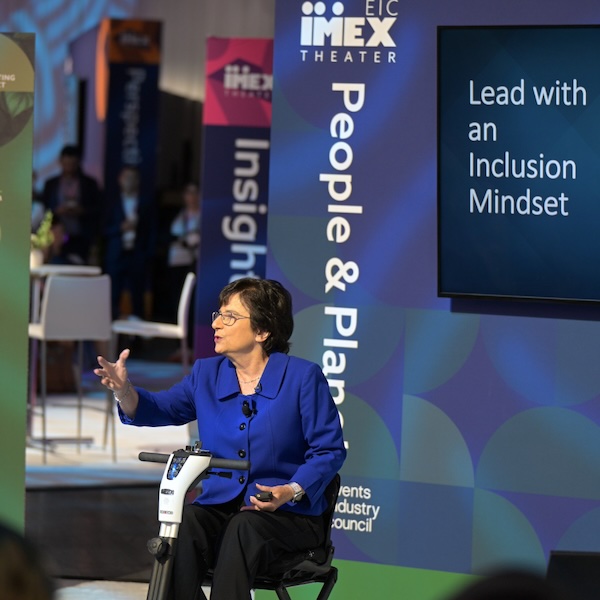
As a person who uses a wheelchair, I know firsthand how a meeting environment can affect independence and participation.
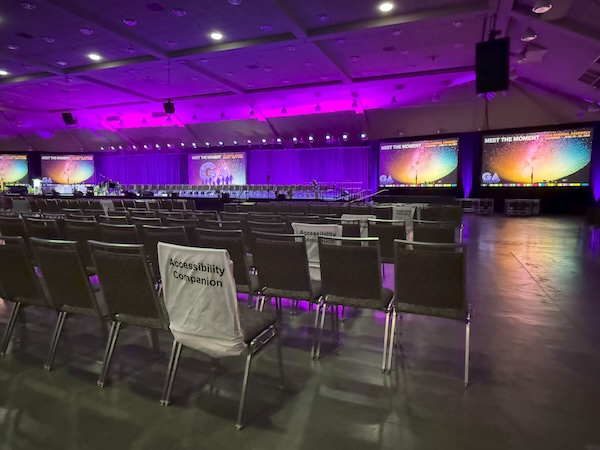
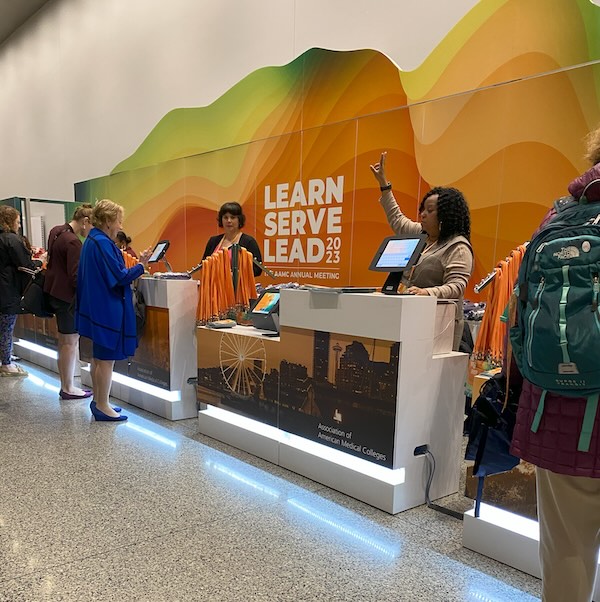
At a recent convention, I felt that I truly belonged. The convention center doors opened automatically or with the push of a button. A lower registration counter made it easy for me to communicate with the person checking me in. No doors blocked the restroom entrance and the accessible stall was properly designed for wheelchair users. In the general session, I could see several spaces at the ends of aisles where chairs had been removed, giving me choices about where to park my wheelchair.
As a professional speaker, accessibility consultant and meeting participant, I have experienced meetings from a perspective many planners don’t have. I have also evaluated convention centers, hotels, meeting spaces and destinations to identify accessibility barriers.
One lesson has become clear: The best inclusive experiences are often the ones where attendees never have to ask for something that could have been anticipated through thoughtful planning.
That doesn’t mean meeting professionals should assume what an individual needs. People with disabilities are not all the same. Ask during registration what accommodation an attendee requires, anticipate potential barriers, build flexibility into the experience and provide choices that support independent participation.
Change the question
Instead of beginning the planning process by asking, “Who needs an accommodation?” consider asking, “Where could someone encounter a barrier?”
That simple shift in mindset can transform how you plan a meeting.
Walk or roll through the attendee experience from beginning to end. Consider where someone might encounter a physical, communication, sensory, informational, social, technological or logistical barrier. Then ask, “Where might someone have to ask for help unnecessarily?”
I’ve encountered many examples.
I’ve experienced situations where a door, table or chair was an obstacle. A few inches of additional clearance or a different arrangement can make the difference between navigating independently and needing assistance.
Consider accessible seating before placing chairs. Can attendees move independently? Does accessible seating offer genuine choices? Can people with disabilities sit alongside their colleagues rather than being separated?
I’ve been forced to sit at the back of a room many times. A meeting may technically provide accessible seating, but if those spaces are always in the back or on the side, the attendee does not have an equivalent experience. Accessible seating should be integrated into the overall seating plan, with choices about where to sit.
Information can create barriers, too
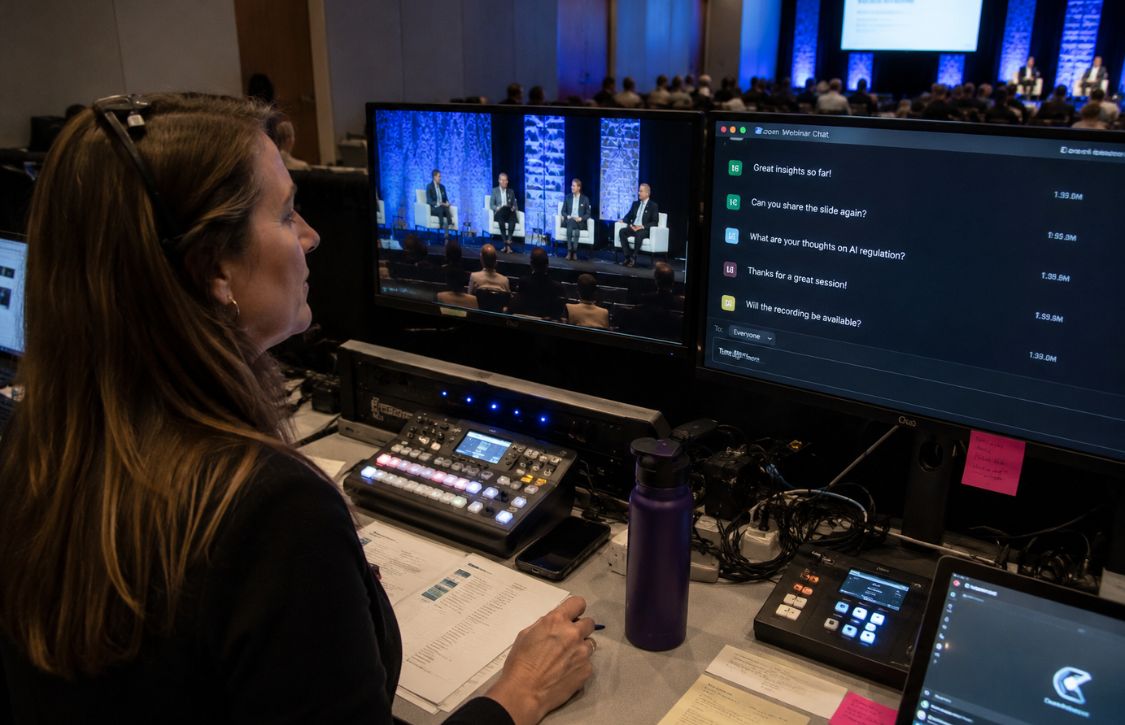
If important information is presented only visually, someone who is blind or has low vision may be excluded. If a presentation relies entirely on audio, someone who is deaf or hard of hearing may miss critical information. Captions, accessible digital materials and multiple ways of communicating information can remove barriers before the meeting begins.
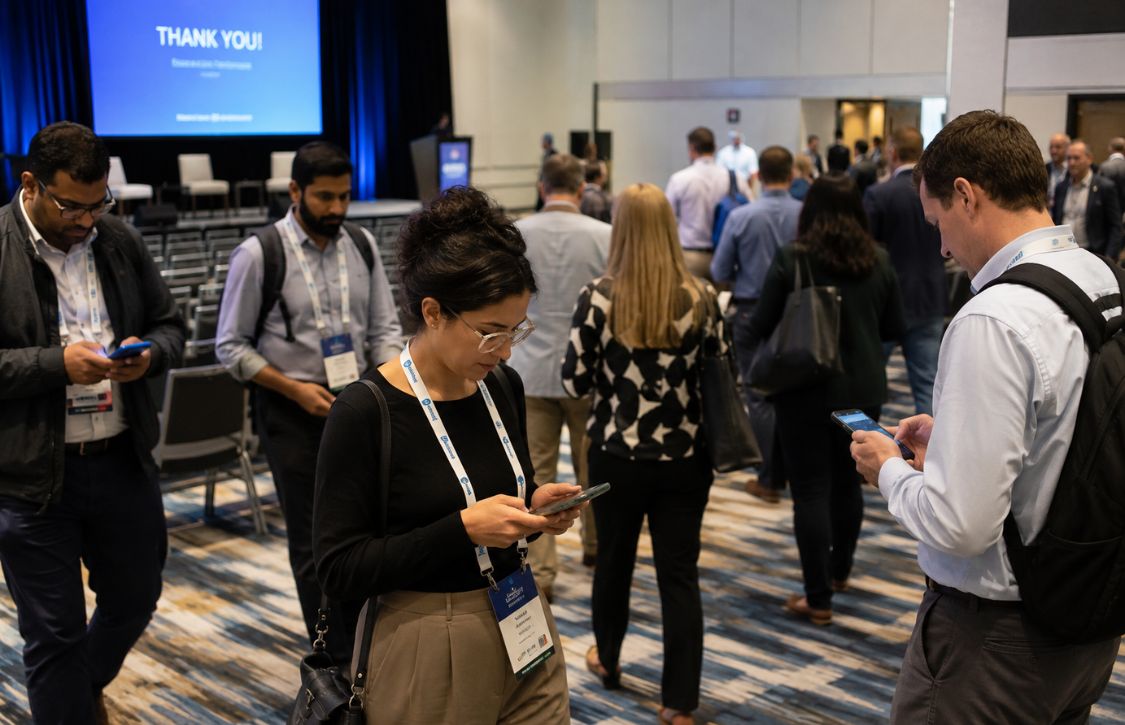
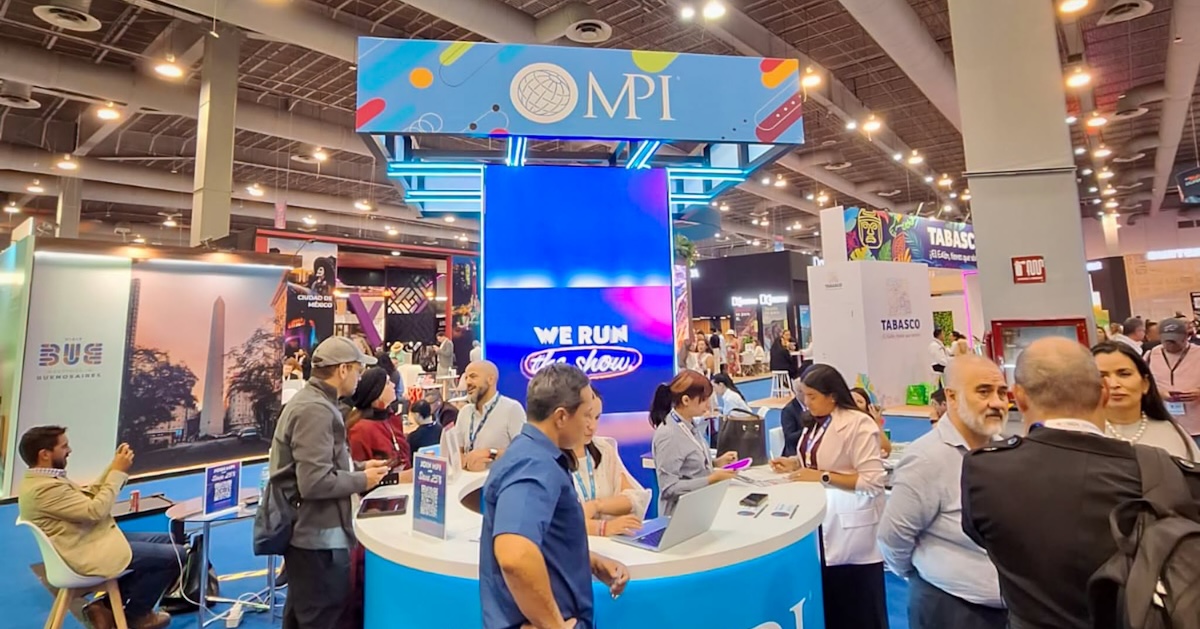
Networking events deserve attention as well. Crowded spaces, tightly arranged cocktail tables, high-top tables and a lack of seating can unintentionally exclude people. Thoughtful circulation paths, table arrangements and seating options can make networking more welcoming for everyone.
These examples illustrate an important distinction: Accessibility is about removing barriers to participation, not simply providing accommodations.
Put barrier-busting into the planning process
Once you’ve identified potential barriers, address them while the meeting is still on the drawing board.
When selecting a venue, don’t rely solely on an accessibility statement or checklist. Conduct an accessibility walk or roll-through several months before the meeting. Experience the space from the perspective of an attendee who uses a wheelchair or scooter.
Consider the entire attendee journey from transportation and parking through registration, meeting rooms, meals, networking, restrooms, navigation and departure. Follow the routes attendees will actually use. Look for barriers as well as clear, consistent signage to meeting rooms, elevators, restrooms and exits.
Build accessibility into conversations with vendors, too. Ask transportation providers, scooter rental companies, caterers, audiovisual companies and other partners how they address accessibility. Make inclusion part of the RFP and contracting process rather than trying to solve problems after contracts have been signed.
Don’t forget staff and volunteers. Provide disability etiquette training so registration personnel, room monitors, security and other event staff understand available accessibility resources and know how to respond appropriately when someone requests assistance.
Invite people with lived experience to review your plans. Someone who uses a wheelchair, has a vision or hearing disability or has another lived experience of disability can identify barriers that may never appear on a traditional planning checklist.
Plan for people, not just compliance
Inclusive meeting planning isn’t about creating a special experience for a small group of attendees. It’s about creating an environment where all people can participate fully, comfortably and independently.
Many accessibility features benefit everyone. Captions can increase comprehension for all attendees. Clear directional signage helps people navigate unfamiliar spaces. Accessible digital information benefits people using assistive technology and anyone accessing content on a mobile device.
When you design for people with disabilities, everyone can benefit.
The next time you begin planning a meeting, don’t wait for someone to tell you what they need.
Instead, ask, “Where could someone encounter a barrier?” Followed by, “What can we change now so that barrier doesn’t exist when attendees arrive?”
That is the difference between reacting to accessibility needs and planning for inclusion.
Inclusion is at its best when it is planned with intentionality, built into the experience from the beginning, and designed so everyone can focus on why they came to the meeting in the first place.
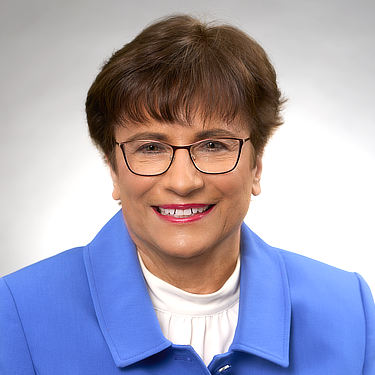
Rosemarie Rossetti, Ph.D., is a nationally recognized speaker and consultant who works with meeting professionals to create more accessible and inclusive meetings and events. Drawing on her lived experience as a wheelchair user and her expertise in accessibility and universal design, Rosemarie provides practical strategies that meeting professionals can use to design experiences that welcome and accommodate people with disabilities. She speaks and consults with associations, corporations, convention centers, hotels and destination organizations to advance accessibility, disability inclusion and universal design in the meeting industry.