When Politics Meets the Events Industry: Why Location Matters More Than Ever

As president of the Harmony NC LGBT+ Allied Chamber and as a consultant focused on inclusion, I’ve seen how politics have reshaped the events industry. Hosting a conference isn’t just about booking a ballroom anymore—it’s about safeguarding the dignity and safety of every person who walks through the door.
In 2025, federal and state rollbacks of DEI programs and LGBTQIA+ protections have changed the calculus for planners. Laws that erase gender identity, weaken Title IX, or restrict honest conversations about equity don’t just affect campuses or agencies. They ripple outward into convention centers, boardrooms, and hotel corridors. Attendees ask if they’ll be safe. Sponsors hesitate. Organizers wonder if they can program content honestly without fear of backlash.
Yet the industry hasn’t folded. I’ve watched venues and associations stand firm, refusing to soften their commitments. I’ve seen organizers make allyship visible in design choices: gender-neutral restrooms, inclusive registration forms, diverse voices on stage, zero-tolerance harassment policies, and trained staff ready to intervene. These aren’t nice-to-haves anymore—they’re the scaffolding of trust.
Why Red States Still Dominate
Conferences continue to flock to Florida, Texas, and Las Vegas. The reasons are practical: sprawling convention centers, endless hotel rooms, easy flight access, lower costs, and decades of tradition. From a logistical perspective, these places are built to host.
But what they offer in convenience, they often lack in climate—political climate. For organizations that value equity, holding events in states dismantling DEI or passing hostile laws toward LGBTQ+ communities sends a troubling signal.
Why Blue States Deserve a Stronger Look
Blue states—and progressive cities in red states—bring advantages that go beyond square footage. They offer:
•Stronger protections and safer environments for marginalized groups, minimizing reputational risk.
•Richer attendee experiences with diverse, progressive communities that reflect organizational values.
•Greater freedom of content, where topics like equity, sustainability, and justice can be programmed openly without political roadblocks.
•Partnerships with local ecosystems—universities, nonprofits, and civic leaders who strengthen the mission rather than undermine it.
•Sponsor confidence, since funders and corporate partners are increasingly cautious about tying their brand to exclusionary policies.
Here in North Carolina, for example, anti-DEI measures on public college campuses have created a chilling effect. Faculty worry about hosting conferences on “divisive concepts.” Administrators hesitate to greenlight events for fear of scrutiny. Some gatherings that once happened on campuses have now shifted into private venues—or left the state entirely. And yet, in cities like Raleigh, Charlotte, and Durham, private partners and nonprofits are stepping in to create the kinds of inclusive events higher education is retreating from. The map may be narrowing in some places, but with intention and courage, we can redraw it.
Time for a Rebalance
No one disputes the practical draw of Orlando or Las Vegas. But conferences aren’t just logistical puzzles—they are symbolic choices. Where you gather tells a story. It signals what kind of community you’re inviting people into.
The future of this industry will depend on balancing convenience with conscience. Expanding the map to include more welcoming, progressive cities isn’t just about politics—it’s about aligning values with action. It’s about ensuring that every attendee, every sponsor, every speaker can step into a space where they know they truly belong.
Author
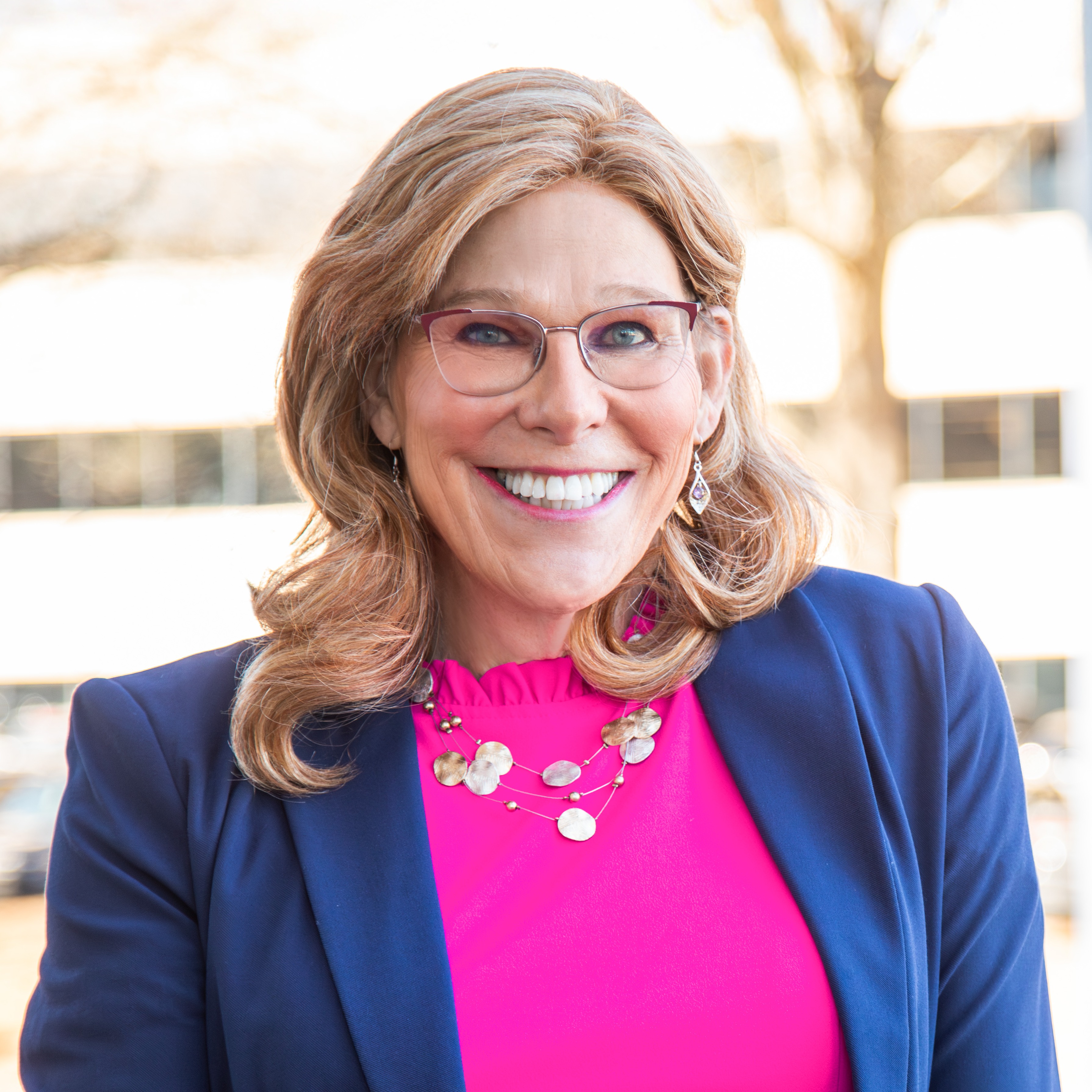
Deanna Marie Jones brings over 35 years of experience in the technology sector with a focus on sales, operations, and project management. She spent 25 years at a Fortune 100 technology company leading initiatives, building partnerships, driving innovation, and supporting growth. As President of the Harmony LGBTQ+ Chamber of Commerce, she champions inclusion and belonging.
Deanna helps organizations build and support a diverse workforce by rethinking how they recruit, retain, and raise up talent—especially those too often overlooked. Her work creates cultures where people bring their full gifts to work and thrive. When people do what lights them up, it lifts the entire organization. Drawing from both corporate leadership and lived experience, she uses storytelling and insight to guide others through change and toward lasting impact.