-
Hi, {{vm.currentUser.FirstName}}
 {{vm.currentUser.FirstName}} {{vm.currentUser.LastName}} {{vm.currentUser.Cmm ? ', CMM' : ''}} {{vm.currentUser.Cmp ? ', CMP' : ''}}
{{ vm.currentUser.Title ? vw.currentUser.Title : '' }}
{{ (vm.currentUser.Company ? vm.currentUser.Company : '') }}
{{ (vm.currentUser.City && vm.currentUser.State) ? (vm.currentUser.City + ', ' + vm.currentUser.State) : '' }}
{{ (vm.currentUser.MembershipLevel ? vm.currentUser.MembershipLevel : '') }}
{{ (vm.Chapter ? vm.Chapter.Name : '') }}
{{ (vm.currentUser.MemberCategory ? vm.currentUser.MemberCategory : '') }} Membership
Member ID: {{ vm.currentUser.Id ? vm.currentUser.Id : '' }}
Expires on: {{ vm.currentUser.ExpirationDate ? vm.currentUser.ExpirationDate : '' }}
Update My Account Settings
Sign Out

Event Planning Terminology & Definitions A to Z
Event and Meeting Professional Education
A
- Agenda
- An agenda is the official schedule for a meeting, conference, or event, listing sessions, speakers, locations, and times. A clear event agenda improves attendee planning, supports session discovery, and helps answer common questions like “What’s happening when?”
- Attendee Journey
- The attendee journey is the end-to-end experience from event discovery and registration through onsite participation and post-event follow-up. Mapping the attendee journey helps organizers improve communications, reduce friction at check-in, and increase engagement across sessions and networking.
- Attrition
- Attrition is a contract concept related to not meeting agreed commitments such as hotel room pickup or minimum spend. In meeting planning, understanding attrition helps planners forecast attendance accurately and manage risk when attendance changes.
- Audio-Visual (A/V)
- Audio-visual (A/V) covers event production elements like microphones, sound, lighting, projection, LED walls, and streaming. Strong A/V planning improves presentation quality, accessibility (e.g., captions), and the overall conference experience.
B
- Banquet Event Order (BEO)
- A Banquet Event Order (BEO) is a detailed operations document used by hotels and venues to deliver meeting and event services. It typically includes room setup, food and beverage, timing, guaranteed counts, and special instructions to ensure smooth event execution.
- Breakout Session
- A breakout session is a smaller, topic-focused session held alongside a larger conference or general session. Breakouts support deeper learning, interactive formats, and role-based tracks, often requiring capacity planning and clear room signage.
- Badge Printing
- Badge printing is the process of producing attendee credentials for check-in and access control at events. Modern badge printing often supports QR codes or NFC to speed onsite registration, improve security, and enable attendance tracking.
- Booth
- A booth is an exhibitor’s designated space in an expo or trade show exhibit hall. Booth design and placement affect attendee traffic, brand visibility, product demos, and lead generation for exhibitors and sponsors.
- Business Events
- A collective term used by MPI to describe meetings, conferences, conventions, exhibitions, and live experiences designed to achieve organizational or strategic objectives.
- Business Event Strategist
- A term used by MPI to describe event professionals who align meetings and events with organizational goals, stakeholder outcomes, and measurable business impact. [mpi.org], [mpi.org]
C
- Capacity
- Capacity is the maximum number of people a room or venue can safely accommodate based on layout, safety requirements, and available exits. Capacity planning supports a better attendee experience by reducing overcrowding and improving comfort and accessibility.
- Convention Services Manager (CSM)
- A Convention Services Manager (CSM) is a venue or hotel professional who coordinates onsite logistics for meetings and events. The CSM typically manages room setups, timelines, service delivery, and coordination across departments like catering and operations.
- Call for Speakers (CFS)
- A Call for Speakers (CFS) is the process used to collect event session proposals for a conference or educational event. A strong CFS clarifies topics, learning objectives, and selection criteria to build a high-quality program that aligns with audience needs.
- Code of Conduct
- A code of conduct sets expectations for behavior at conferences and events to support a safe, respectful environment. Clear policies improve attendee trust, reduce risk, and help answer common attendee questions about event standards.
- Certification Program
- Clock Hours
- Continuing education hours earned through MPI‑approved programs that may be applied toward professional certifications such as CMP.
- Certified Meeting Professional (CMP)
- The CMP An industry‑recognized professional certification supported by MPI education and approved by the Events Industry Council, validating expertise in meeting and event management.
D
- Destination Management Company (DMC)
- A Destination Management Company (DMC) is a local event partner that provides destination services such as transportation, offsite venues, staffing, and experiences. DMCs help planners deliver cohesive programs and culturally relevant attendee experiences.
- Day Rate
- A day rate is a daily fee for meeting space, equipment rental, or event staff services. Day rates support budgeting and vendor comparisons across conference venues and production partners.
- Delegate
- A delegate is a registered participant attending a meeting, conference, congress, or professional event. Delegate categories may include speakers, VIPs, buyers, or general attendees depending on event format.
- Duty of Care
- Duty of care refers to an organizer’s responsibility to take reasonable steps to support attendee safety and well-being. In event planning, duty of care includes risk planning, clear communications, and accessible support resources onsite.
E
- Exhibitor
- An exhibitor is a company or organization that showcases products or services at a trade show, expo, or conference exhibit hall. Exhibitors participate to build brand awareness, demonstrate solutions, and generate qualified leads.
- Exhibit Hall
- The exhibit hall is the dedicated space where exhibitor booths, sponsor activations, and demos take place. Exhibit hall design influences traffic flow, networking, and exhibitor ROI through floor plan strategy and programming.
- Event Technology
- Event technology includes tools for registration, ticketing, mobile apps, engagement, analytics, and virtual or hybrid delivery. Effective event tech improves attendee communication, reduces manual work, and supports measurable outcomes.
- Early Bird Registration
- Early bird registration is discounted pricing offered for a limited time to encourage early sign-ups to an event. Early registration supports attendance forecasting, budget planning, and clearer operational decisions for catering and staffing.
- Event Industry Council (EIC)
- The global organization that accredits meeting and event certifications and approves MPI education for continuing professional development.
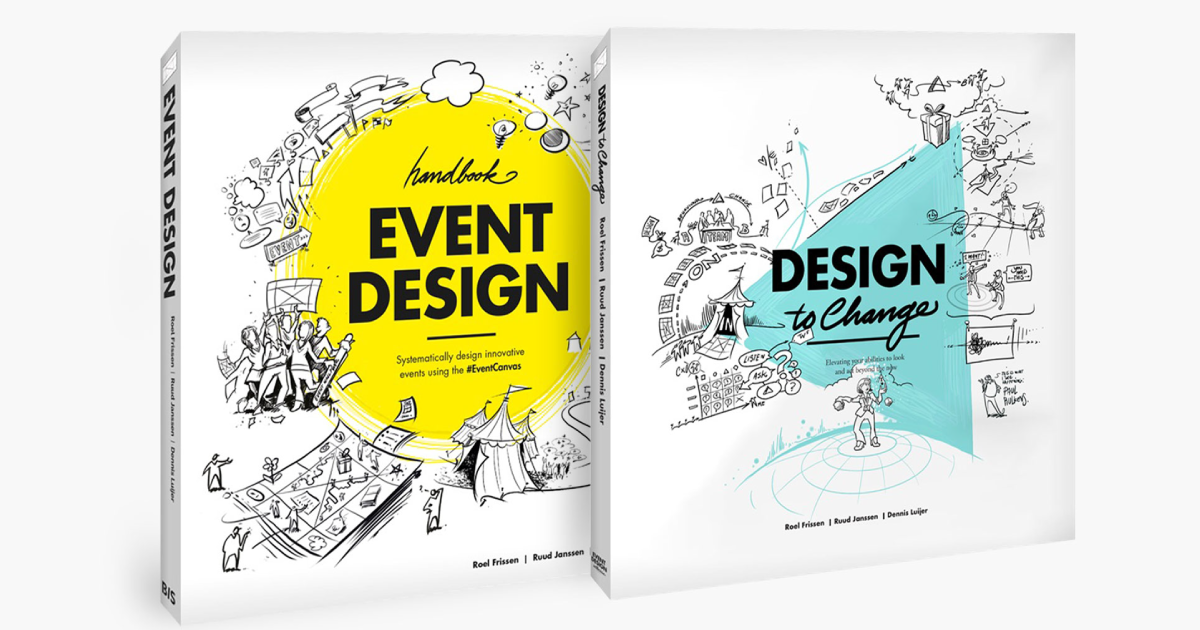
- Event Design
- A strategic approach promoted by MPI that emphasizes creating meaningful attendee experiences rather than focusing solely on logistics or operations.
- Event Leadership Strategist
- An MPI designation emphasizing adaptive leadership, collaboration, and emotional intelligence within the meetings and events profession.
Event Activation
A marketing or experiential strategy that brings a brand, product, or message to life through interactive, immersive, or engaging experiences designed to drive audience participation and connection. Event activation focuses on creating memorable, hands‑on moments—often at live events, trade shows, experiential pop‑ups, or digital‑physical hybrids—with the goal of increasing brand awareness, influencing perception, and prompting measurable actions such as engagement, leads, or social sharing.
F
- Force Majeure
- Force majeure is contract language addressing extraordinary events beyond reasonable control that may impact a meeting or event. Clear definitions help all parties understand how changes, postponements, or cancellations are handled.
- Food & Beverage (F&B)
- Food & Beverage (F&B) covers catering services such as meals, breaks, receptions, and bar service at events. F&B planning includes timing, dietary accommodations, service style, and counts to support a positive attendee experience.
- Floor Plan
- A floor plan is a layout diagram showing room sets, staging, aisles, and exhibit booths. Accurate event floor plans support wayfinding, accessibility, safety planning, and smooth load-in/load-out logistics.
- FAM Trip (Familiarization Trip)
- A familiarization (FAM) trip is a hosted visit that helps meeting planners evaluate a destination, venue, or hotel. FAM trips often include site inspections and supplier meetings to inform venue selection decisions.
G
- General Session
- A general session is the main conference gathering where all attendees come together for keynotes and shared programming. General sessions require strong production planning, clear seating strategies, and reliable A/V support.
- Guarantee
A guarantee is the final confirmed count provided to catering for meals or breaks at an event. Guarantees help venues plan staffing and service levels and support waste reduction through accurate forecasting.
- Group Rate
- A group rate is a negotiated hotel room price offered to attendees within an event room block. Group rates support attendee affordability and improve booking consistency for conferences and conventions.
- Gamification
- Gamification uses points, challenges, and rewards to increase event engagement. Common examples include app-based scavenger hunts, booth visits, session check-ins, and leaderboard competitions designed to drive participation.
- Global Marketplace
- MPI’s supplier discovery platform that allows members to find and connect with vetted event industry vendors and service providers.
H
- Hybrid Event
- A hybrid event combines in-person attendance with a virtual audience through livestreams, on-demand content, and digital engagement. Hybrid event planning aligns production, interaction, and communication to deliver value for both audiences.
- Hold
- A hold is a temporary reservation placed on meeting space or hotel rooms while decisions are finalized. Holds help planners secure preferred dates while confirming budgets, approvals, and program needs.
- Hosted Buyer
- A hosted buyer is a qualified attendee whose participation may include scheduled meetings with suppliers. Hosted buyer programs are used in trade shows and marketplaces to increase meeting quality and improve exhibitor outcomes.
- House Sound / House Lights
- House sound and house lights refer to a venue’s built-in audio and lighting systems. Understanding what is included “in-house” helps planners set expectations and budget accurately for event production.
- Hosted Buyer Program
- An MPI program that connects qualified event planners with suppliers by covering event participation costs in exchange for scheduled business meetings.
- Healthcare Meeting Compliance
- A specialized area of meeting management education focused on regulatory and ethical requirements for pharmaceutical, biotech, and medical meetings. [mpi.org], [mpi.org]
I
- Incentive Travel
- Incentive travel is a rewards program that uses travel experiences to motivate performance and recognize achievement. Incentive planning focuses on memorable experiences, hospitality details, and careful logistics to support participant satisfaction.
- Interpretation Services
- Interpretation services provide language support for international meetings, conferences, and multilingual events. Options include simultaneous interpretation with headsets, consecutive interpretation, and remote interpretation for virtual sessions.
- Internet Bandwidth
- Internet bandwidth is the capacity needed to support event Wi‑Fi, livestreaming, exhibitor demos, and attendee devices. Bandwidth planning helps prevent slow connections and improves experience for hybrid and tech-enabled events.
- Invitation List
- An invitation list is the defined set of people or segments targeted for an event, such as members, prospects, or stakeholders. Building a strong invitation list supports event marketing performance and higher-quality attendance.
- Inclusive Event Strategist
- An MPI educational designation focused on designing meetings and events that are accessible, equitable, and inclusive of diverse audiences and perspectives. [mpi.org], [mpi.org]
J
- Justification Letter
- A justification letter explains the business value of attending a meeting or conference, often used for manager approval. It typically highlights learning outcomes, networking benefits, and how attendance supports organizational goals.
- Job Fair
- A job fair is a recruiting event where employers meet candidates through booths, interviews, and presentations. Job fair planning emphasizes efficient check-in, clear wayfinding, and scheduling tools to support high-volume interactions.
- Jumbotron
- A jumbotron is a large-format video display used to improve visibility in general sessions, arenas, and large venues. Large screens support accessibility and engagement by making content readable from a distance.
- Journey Mapping
- Journey mapping is the practice of documenting attendee steps across registration, arrival, sessions, networking, and follow-up. It supports better FAQs, clearer communications, and improved on-site experience design.
K
- Keynote Speaker
- A keynote speaker is the featured presenter who sets the theme and tone of a conference or event. Keynotes often drive registrations, so planners coordinate contracts, rehearsals, stage flow, and audience engagement.
- KPIs (Key Performance Indicators)
- KPIs are measurable metrics used to evaluate event success, such as registrations, attendance rate, engagement, lead volume, and satisfaction scores. Defining event KPIs early supports better reporting and continuous improvement.
- Kiosk Check-In
- Kiosk check-in is a self-service onsite registration option that speeds entry and reduces lines. Kiosks may support QR scanning, badge printing, and real-time attendance tracking for better operational visibility.
- Kickoff Meeting
- A kickoff meeting is the initial planning session that aligns stakeholders on goals, audience, timeline, budget, and responsibilities. Strong kickoffs reduce confusion and keep conference planning on track.
L
- Lead Retrieval
- Lead retrieval is the system exhibitors use to capture attendee contact details and interaction notes. It typically uses QR codes, NFC badges, or mobile scanning to support faster follow-up and better measurement of exhibitor ROI.
- Load-In / Load-Out
- Load-in and load-out are scheduled windows for event setup and teardown, including freight delivery, staging, and booth installation. Clear load schedules reduce delays and help venues maintain safe, organized operations.
- Learning Objectives
- Learning objectives describe what attendees should learn or be able to do after a session. Clear objectives improve program quality and help attendees choose sessions that match their goals.
- Livestream
- A livestream is the real-time broadcast of event content to remote viewers for virtual or hybrid participation. Livestream planning includes camera placement, audio capture, moderation, captioning, and reliable connectivity.
- Live Events
- A core concept in MPI language referring to in‑person or hybrid experiences that bring people together for education, connection, and business outcomes. [mpi.org]
M
- Meeting Planner
- A meeting planner is the professional who designs and manages meetings and events from concept through execution. Responsibilities include venue sourcing, budgeting, vendor management, registration strategy, onsite operations, and post-event reporting.
- Minimum Spend
- Minimum spend is a contracted commitment to purchase a specified amount of venue services, often tied to catering or in-house resources. Tracking minimum spend supports better budgeting and reduces surprises during final billing.
- Meeting Room Set
- A meeting room set is the furniture layout used for a session, such as theater, classroom, boardroom, U-shape, or rounds. Choosing the right set supports learning, engagement, sightlines, and accessibility.
- Mobile Event App
- A mobile event app supports agendas, maps, speaker profiles, networking, and live engagement tools. Event apps improve communication, reduces printing, and gives attendees quick answers to common questions onsite.
- MPI Academy
- MPI’s event education platform offering instructor‑led courses, on‑demand learning, certificate programs, and higher‑education partnerships for meeting and event professionals.
- MPI Chapter
- An MPI Chapter is a regional or local MPI community that provides networking, education, and professional development opportunities at the local level.
- MPI Communities
- Online member groups organized around shared interests, roles, or industry segments to support peer collaboration and knowledge sharing.
- Meetings Outlook
- Meetings Outlook is MPI’s quarterly research report analyzing trends, forecasts, and economic conditions affecting the meetings and events industry.
N
- Networking Event
- A networking event is designed to help attendees build professional connections in a structured or informal setting. Common formats include receptions, speed networking, and curated matchmaking to improve connection quality.
- No-Show
- A no-show is a registered attendee, exhibitor, or speaker who does not attend without canceling. Tracking no-shows improves forecasting and helps organizers refine reminders, policies, and capacity planning.
- NPS (Net Promoter Score)
- NPS is a common event survey metric that measures how likely attendees are to recommend the event. Combined with qualitative feedback, NPS helps organizers identify strengths, improve weak points, and support sponsorship conversations.
- Name Badge
- A name badge is an attendee credential used for identification, access control, and networking. Clear badge design improves wayfinding for introductions and often includes role or category labels to support better conversations.
O
- Off-Site Event
- An off-site event takes place away from the main conference venue, such as a museum, restaurant, or outdoor space. Off-site planning often includes transportation, accessibility checks, and clear attendee communications for arrival and timing.
- On-Site Registration
- On-site registration is the check-in process at the event location, including badge pickup, help desk support, and walk-in registration. Efficient onsite registration reduces lines and creates a strong first impression for attendees.
- On-Demand Content
- On-demand content is recorded session programming made available after the live event so attendees can watch later, revisit key segments, and learn across time zones.
P
- Pipe and Drape
- Adjustable pipes with fabric drapes used for event backdrops, decoration, or booth/space separation.
- Pre-Con (Pre-Convention Meeting)
- A planning meeting held prior to an event (often with the venue/CSM) to review key logistics and final details.
- Post-Con (Post-Convention Meeting)
- A debrief meeting after an event to review successes, challenges, and action items.
- Pro Forma Invoice
- An invoice provided by a supplier prior to delivery of service, used to confirm expected charges.
- Proposal
- A written offer from a vendor that details solutions, availability, and costs in response to an inquiry.
Q
- Quorum
- The minimum number of members required to be present at a meeting before official decisions can be made.
R
- RFP (Request for Proposal)
- A document that outlines event needs and specifications, sent to venues/suppliers for bidding and proposals.
- RFQ (Request for Quote)
- A document requesting pricing for a service or product to compare vendor costs and terms.
- Room Block
- A reservation for a set of hotel rooms (often 10+), typically with a negotiated group rate and cut-off date.
- Room Night
- The number of nights a single hotel room is occupied; used for room block tracking and reporting.
S
- Seasons (Low / Shoulder / High)
- Hotel pricing periods based on historical demand patterns; low season is least expensive, high season most expensive.
Site VisitA trip to an event venue to inspect the space prior to signing a contract and/or finalizing plans.
Step and Repeat
A branded backdrop—typically featuring a repeating pattern of logos or sponsor marks—used as a background for photos at events. Step and repeat displays are commonly placed at events near entrances, red carpets, media walls, or networking areas to provide consistent brand visibility in photographs and video coverage. They are designed to ensure logos appear clearly and repeatedly in media, social sharing, and promotional assets captured during the event.- Strike (Breakdown / Load Out)
- Teardown after an event concludes; removing equipment, exhibits, and materials from the venue.
T
- Trade Show
- An event where an industry gathers to exhibit and demonstrate products and services.
- Traffic Flow
- The movement of attendees through an event space or exhibit hall; informs layout and signage decisions.
- Transcription
- A typed record of speech or discussion from a meeting/event; often used for accessibility and archives.
U
- ULC (Universal Lead Capture)
- A standardized lead capture approach/app that enables event exhibitors to collect attendee lead data consistently.
V
- Virtual Event
- An online event that enables organizers, speakers, attendees, and sponsors to interact in a virtual environment.
- VR (Virtual Reality)
- Immersive technology that places attendees in a simulated environment, often using headsets and controllers.
W
- Waitlist
- A list used when an event/session is full; registrants may be offered attendance if spots open up.
- Webcast
- A media presentation or event broadcast live over the internet.
- Webinar
- An online presentation, session, forum, or seminar delivered over the internet.
- World Education Congress (WEC)
- WEC is MPI’s flagship global conference that delivers professional education, thought leadership, and networking for meeting and event professionals.
X
- XLR
- A connector used for balanced audio signals, commonly used for microphones and professional audio equipment.
Y
- Yield Management
- A pricing strategy (also called revenue management) used in hospitality to maximize revenue by adjusting rates based on demand and booking patterns.
Z
- Zoom Webinar
- An online broadcast-style event format where hosts/panelists present to an audience, with attendee engagement handled through tools like chat, Q&A, and polls.
Popular MPI Academy Education
Unlock your potential with our most popular educational certificate courses—designed by industry experts, trusted by meeting professionals worldwide and tailored to help you advance your career with confidence.
AI for Event Sales AI Enhanced Event Professional 201 Emergency Preparedness for Events Event Wellness Design Healthcare Meeting Compliance Inclusive Event Strategist Event Business Management Contract & Negotiation Specialist CMP Academy AI Enhanced Event Professional Contract & Negotiation Specialist Basics Bootcamp: Meeting Fundamentals Meeting Professional Audio Visual Certificate Cultural Engagement Certificate Event Intelligence Certificate
Advanced Academy Education
Unlock your potential with our most popular educational certificate courses—designed by industry experts, trusted by meeting professionals worldwide and tailored to help you advance your career with confidence.


SDSU | Meeting and Event
Management Master's Degree
Clock Hours: N/A
Price: See course details.

Global Headquarters
14131 Midway Road
Suite 800
Addison, Texas 75001 USA

© 2026 Meeting Professionals International, All Rights Reserved.