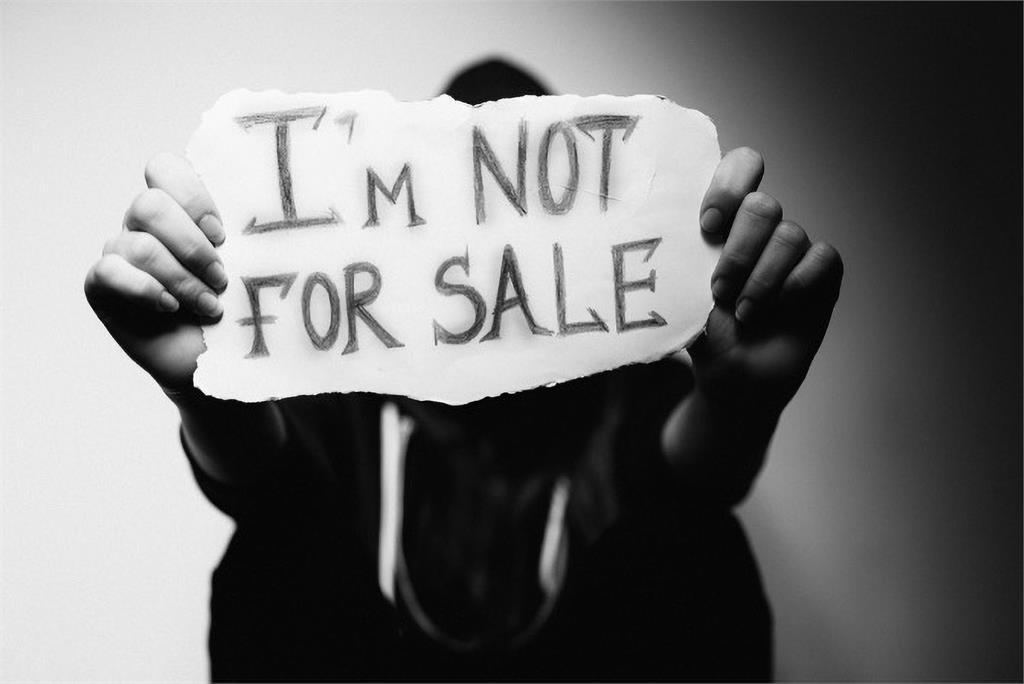
Human trafficking is a hidden global crime affecting millions each year, including forced labor and commercial sexual exploitation. As event and hospitality professionals, we may not be law enforcement, but our work in hotels, transportation, venues, and staffing puts us in a position to recognize risks and support safe environments.
What the Data Shows
Globally, an estimated 27.6 million people are victims of trafficking, with most in forced labor and a significant portion in forced sexual exploitation. In the U.S., the National Human Trafficking Hotline received over 32,000 signals in 2024, identifying nearly 12,000 unique cases involving over 21,000 potential victims. Law enforcement reported roughly 2,950 incidents in 2022, with 78 % sex trafficking and 22 % labor trafficking. These figures understate the true scope, as many victims remain undetected.
Why This Matters for Our Industry
High-profile investigations and media coverage have raised awareness, by encouraging organizations including hospitality and events to examine their role in prevention.
Human trafficking doesn’t happen because events occur, it’s a year-round human rights crime. Yet, planners interact with touchpoints where victims may be present:
- Hotels and motels
- Transportation networks
- Temporary or contracted staffing
- Work environments with restricted autonomy
Because trafficking is often hidden, victims may appear like any attendee, vendor, or worker. Awareness and preparation are essential.
Red Flags to Watch For
- Individuals who appear controlled or coached
- Lack of control over documents or communication
- Signs of fear, anxiety, or inability to speak freely
- Unclear work schedules, pay, or restricted movement
- Physical signs of neglect or distress
Training all staff, from registration to service teams, increases observation and protection across events.
Partner with Educated Allies
- NGOs or service providers offering staff training for hospitality and events
- Law enforcement task forces providing guidance and resources
- Vendors certified in anti-trafficking awareness
Practical Implementation Follow-Up
- Venues with staff training and reporting protocols
- Convention centers collaborating with local advocacy groups
- Vendors with certifications in anti-trafficking awareness
- Hotels participating in industry-standard awareness programs
Choosing partners with verified practices encourages ethical adoption across the industry.
Checklist for Event Professionals to Promote Awareness and Action
- Confirm anti-trafficking awareness training for vendors (hotels, transport, staffing)
- Engage with local advocacy organizations for guidance
- Share concise guidelines with teams and vendors
- Establish a clear, confidential reporting process
- National Human Trafficking Hotline: 1-888-373-7888 (24/7) or text 233733
- Local law enforcement and task force contacts
- Survivor support services
