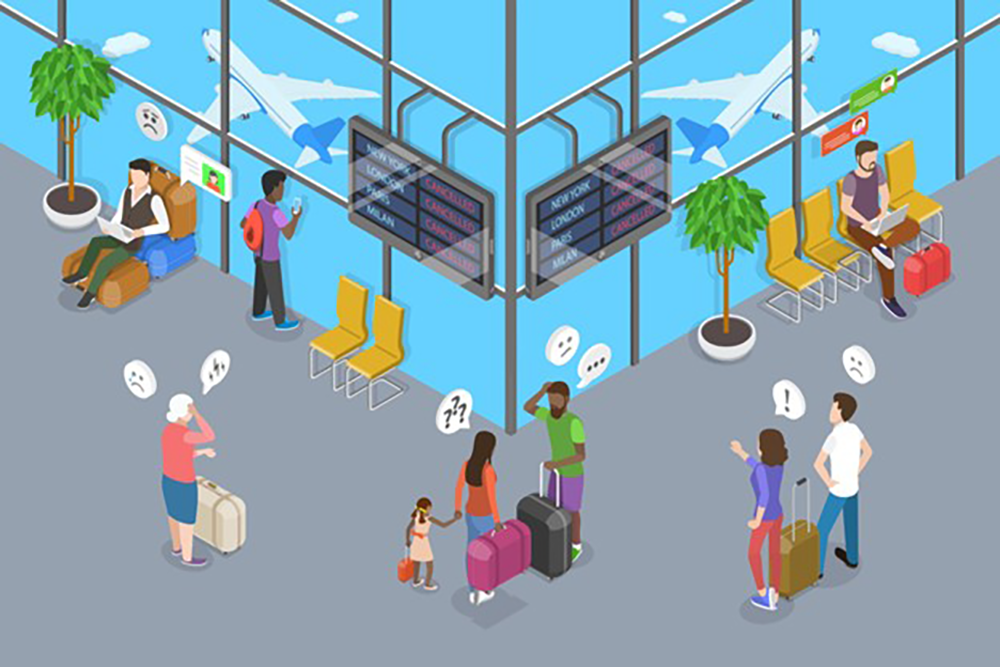
In 2026, geopolitical conflict, federal funding disruptions, and record travel demand have converged into one of the most volatile travel environments in recent memory. For event planners, the ripple effects are hitting on multiple fronts: rising costs, strained group travel contracts, and force majeure clauses that may not protect you the way you think they do.
Budget Assumptions Are Already Outdated
On March 22, 2026, the U.S. Department of State issued a rare Worldwide Caution advisory as the escalating U.S.-Iran-Israel conflict rippled across global air travel networks (U.S. Department of State, 2026). Fuel costs are up, rising airfare, and disruptions extend to ground transportation. As McGehee, a hospitality and tourism management professor at Virginia Tech, stated, "It's not really going to go away soon, and we expect disruptions to linger" (as cited in Johnke, 2026, para. 6). Any travel-related budget built on 2024 or early 2025 assumptions should be treated as a placeholder to audit your numbers before registration opens.
At the airport, a federal funding standoff has created TSA staffing turmoil, producing longer security lines, and missed flights nationwide (Travel and Tour World, 2026a), with Atlanta, Dallas, Houston, and Chicago leading delay tallies (The Traveler, 2026a). McGehee cautioned that for event bound travelers, "It would be terrible to miss the whole reason that you're going" (as cited in Johnke, 2026, para. 9), making the case for advising attendees to arrive a full day early.
Review Your Group Air Contracts Now
Three provisions deserve immediate attention:
- Fuel surcharge clauses. Many contracts allow carriers to pass fuel cost increases to the buyer. Confirm with airline contacts whether surcharges in existing agreements are locked or variable.
- Attrition thresholds. If attendance drops due to travel anxiety or airfare prices and you have committed to a seat block minimum, you may be liable for the shortfall. Negotiate more variance into new agreements.
- Rebooking provisions. Ensure contracts include reasonable rebooking options for weather, delays, or security disruptions and communicate clearly to attendees what is and is not covered.
Force Majeure: Don't Assume You're Protected
The pandemic revealed how narrowly many force majeure clauses were written. The current environment introduces new triggering scenarios based on geopolitical conflict, federal staffing disruptions, and airspace closures that may or may not be covered depending on contract language. Travel industry leaders are broadly advising "flexibility and better preparation for sudden changes in itineraries" (Travel and Tour World, 2026b, para. 3). Before your next event, confirm that your clause covers government action broadly, allows for postponement (not just cancellation), and verify whether a notice deadline exists that could forfeit your protections. Involve legal counsel now, not mid-crisis.
Add Travel Insurance to Your Attendee Communications
Some insurers are updating policies to classify the Middle East conflict as a "known event," potentially limiting coverage and triggering exclusions travelers may not anticipate (The Traveler, 2026b). A single line in your registration confirmation email suggesting out-of-market attendees consider trip interruption coverage can meaningfully reduce last-minute cancellations.
Conclusion
The 2026 travel environment demands that event planners revisit assumptions across every stage of the planning process. A 10 to 15% contingency buffer on all travel-related line items, flexibility built into contracts before signing, and proactive attendee communications are no longer best practices, they are baseline requirements. The landscape is shifting week to week; planners who act now will not be scrambling to renegotiate when disruptions hit.
References
Johnke, T. (2026, March). US travelers face rising costs, more disruptions from the Iran war. WTOP News. https://wtop.com
The Traveler. (2026a, March). US travel alert: 2026 airport delays and security gridlock. https://www.thetraveler.org
The Traveler. (2026b, March). Worldwide caution 2026: New U.S. travel warnings explained. https://www.thetraveler.org
Travel and Tour World. (2026a, March). Breaking: US air travel chaos in 2026 — travel disruptions, delays and long lines spark new levels of passenger anxiety. https://www.travelandtourworld.com
Travel and Tour World. (2026b, March). Latest travel advisory 2026: US State Department urges Americans abroad to be cautious as global tensions rise and flight routes face increased risk. https://www.travelandtourworld.com
U.S. Department of State. (2026, March 22). Worldwide caution. https://travel.state.gov
